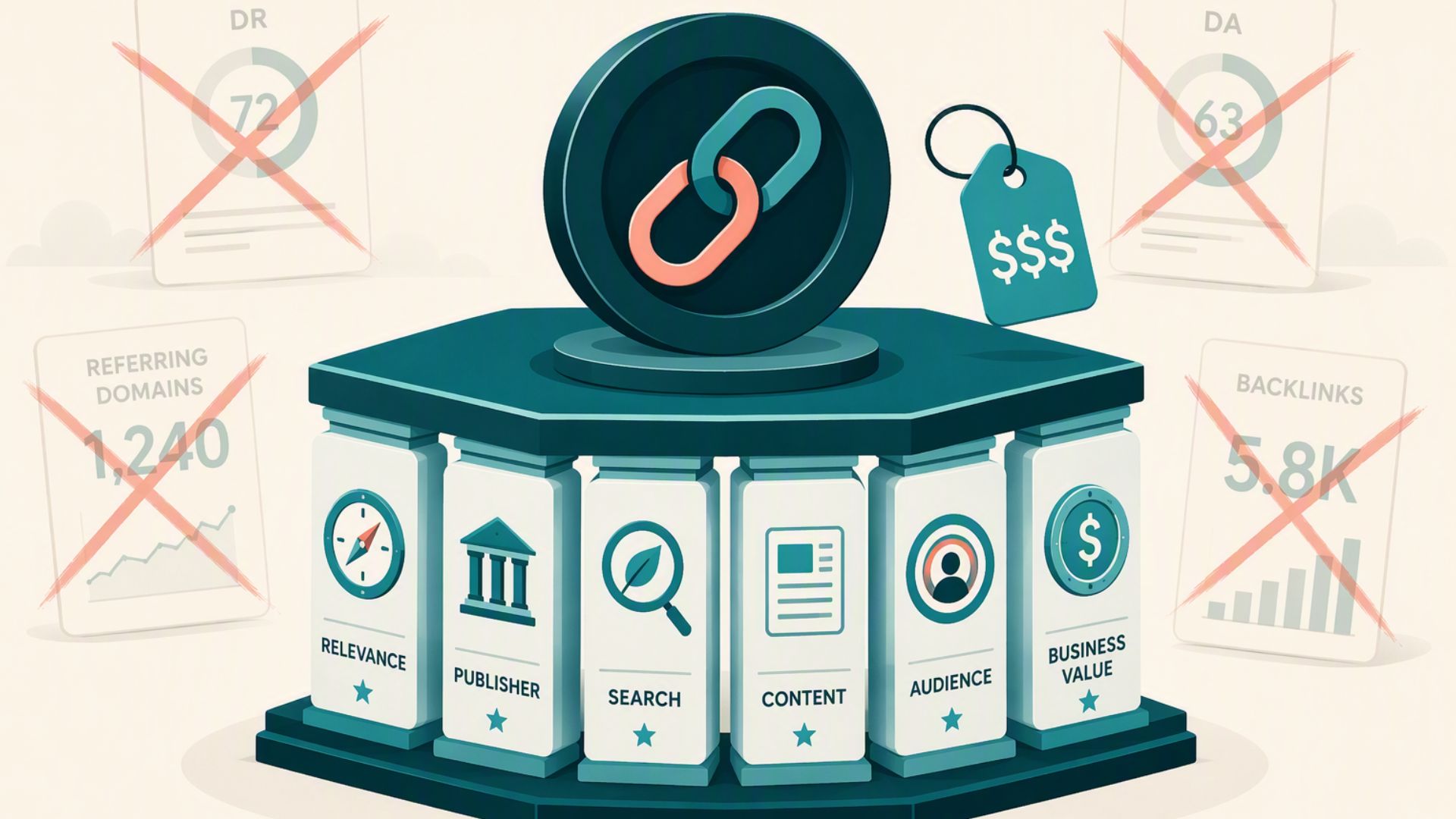

Private Blog Networks are often associated with short life cycles and aggressive link spikes. Many traditional builds collapse within a year due to footprint detection or thin content. Sustainable PBN link building takes a different approach by treating each site as a long-term digital asset, shifting the focus from disposable domains to quality acquisition, controlled link velocity, and ongoing content investment.
When properly maintained, a well-structured portfolio can remain stable for two or more years. The objective is not rapid ranking manipulation but durable SEO equity that compounds over time. This article explains how sustainable strategies differ from short-term tactics and outlines the structural, content, and operational principles required to maintain long-term stability.
Core Principles for Sustainability
Sustainability begins with prioritizing quality over scale. Domains with Domain Authority above 40 or comparable trust metrics provide a stronger base than lower-tier alternatives. Before placing outbound links, a site should contain at least 80 percent informational or filler content. This establishes topical depth and prevents unnatural link ratios that may trigger algorithmic scrutiny.
Link velocity must remain measured. A common benchmark is no more than one link per site every two months. Sudden bursts create detectable patterns, while gradual distribution mirrors natural editorial behavior. Anchor text diversity also plays a critical role, with branded and generic anchors dominating exact-match phrases.
A hybrid acquisition strategy further reduces exposure. Allocating roughly 20 percent of backlinks from PBN sources and 80 percent from white-hat methods such as guest posts and digital PR spreads risk across channels. Annual portfolio reviews and selective rotations maintain freshness without expanding footprint signals.
Domain Selection for Longevity
Long-term durability depends heavily on domain quality, especially when evaluating assets before you buy expired domains for long-term SEO use. Spam scores below 2 percent indicate minimal toxic history. Historical relevance is equally important because topical alignment influences link transfer efficiency. Domains that previously generated organic traffic often retain crawl frequency and index trust.
Analyzing homepage authority metrics such as Domain Rating above 30 provides an additional validation layer. Tools that track traffic history can confirm whether rankings dropped due to penalties or natural decline. Reviewing archived versions ensures the domain was not used for adult, pharmaceutical, or financial spam campaigns.
Balanced trust indicators, such as Citation Flow and Trust Flow alignment, suggest healthy backlink structures. Before full deployment, running 301 redirect tests on a neutral property can help measure retained equity. Only domains that pass structural and historical audits should enter a sustainable portfolio.
Infrastructure Diversification
Search engines identify networks partly through hosting and technical similarities. Distributing sites across more than 200 C-class IP variations reduces identifiable clusters. Using at least ten hosting providers further separates ownership signals and server fingerprints.
Name server variation is another overlooked factor. Randomized DNS records combined with services such as Cloudflare can obscure consistent patterns. Offshore privacy-friendly hosting environments add another separation layer between portfolio assets.
Operational resilience is equally important. Automated backups prevent data loss and ensure continuity if a server fails. Scheduled SSL renewals protect security signals, which search engines increasingly treat as baseline requirements. Sustainable infrastructure focuses on separation, redundancy, and compliance rather than concealment alone.

Evergreen Content Strategies
Content quality differentiates sustainable PBNs from disposable networks. A foundational rebuild based on archived snapshots restores topical continuity and preserves existing backlinks. After reconstruction, each site should publish approximately 20 fresh long-form articles per year, ideally around 2,000 words each.
An AI-human hybrid workflow improves efficiency while maintaining editorial control. Automated drafting followed by at least 70 percent manual refinement ensures coherence, factual accuracy, and stylistic variation. Unique images, author profiles, and comprehensive legal pages add authenticity and reduce thin-site signals.
Outbound linking patterns should reflect legitimate editorial behavior. Linking to more than ten authoritative resources per month strengthens contextual relevance and credibility. Sustainable content planning treats each site as a niche publication rather than a link silo.
Natural Link Velocity Patterns
Anchor distribution and deployment timing require precise planning. A tiered structure often distributes links from PBN sites primarily toward tier-two assets rather than directly to money pages. A typical ratio of 60 percent branded anchors, 30 percent partial match, and 10 percent exact match reduces over-optimization risks. Following Google’s spam policies, maintaining natural and varied link patterns helps avoid algorithmic penalties while keeping authority signals effective.
Randomized placement intervals ranging from three to forty-five days replicate organic acquisition cycles. Consistency in contextual placement is essential, with links embedded naturally inside relevant paragraphs. Sidebar widgets or sitewide footer links increase pattern recognition and should be avoided. Overall exposure should remain capped. PBN links ideally represent between 0.5 and 1.5 percent of total backlink volume. This proportional limit helps maintain algorithmic neutrality while still providing measurable authority influence.
Ongoing Maintenance Checklist
Maintenance determines whether a PBN survives beyond initial indexing. Bi-monthly audits using backlink analysis tools and Google Search Console identify crawl anomalies or indexing drops. Early detection enables corrective measures before rankings decline significantly.
Content refresh cycles should update at least 10 percent of posts annually. This may include statistical updates, improved formatting, or expanded topical sections. Periodic footprint scans can detect shared plugins, themes, or analytics codes that create association signals.
Toxic backlinks occasionally accumulate through scraper sites or negative SEO attempts. Proactive disavow submissions protect domain integrity. Scaling should remain gradual, adding no more than one new site per quarter to preserve operational stability.
Measuring Long-Term Success
Quantitative metrics determine sustainability. A realistic benchmark is tier-one Domain Rating growth of approximately five points per year. Traffic retention above 70 percent after link deployment suggests stability rather than volatility. Penalty-free survival for more than two years demonstrates effective footprint management.
Return on investment should be evaluated against alternative acquisition methods. When executed conservatively, sustainable PBN strategies may deliver five to ten times the link equity value of equivalent guest post expenditures. However, this model carries inherent risk because network ownership concentrates control.
Success is not defined by rapid ranking spikes but by steady, compounding authority. Monitoring growth, retention, and compliance metrics ensures the network remains a long-term asset rather than a short-term experiment.
Conclusion
Sustainable PBN link building in 2026 centers on disciplined acquisition, diversified infrastructure, and consistent content investment. Treating domains as long-term properties rather than disposable link vehicles increases resilience and lifespan. This asset-based mindset encourages higher editorial standards, improved hosting diversity, and more natural publishing behavior across the network.
Conservative scaling, measured velocity, and hybrid backlink portfolios create structural balance. Integrating PBN links with outreach, digital PR, and niche edits reduces dependency on a single tactic and lowers detection risk. When managed strategically, sustainable networks can contribute enduring authority while maintaining controlled risk exposure.