DomainRaider | Premium Domains with High SEO Value

DomainRaider | Premium Domains with High SEO Value

How to Recover an Expired Domain: Step-by-Step Guide
Learn how to recover an expired domain by checking its registrar status, renewing it during the available window, restoring it from redemption, and confirming that DNS, website, and email services are working again.

How to Evaluate a Premium Domain for Resale
Learn how to evaluate a premium domain for resale by assessing end-user demand, name quality, TLD fit, commercial relevance, comparable sales, domain history, legal risk, and acquisition costs.

Why Premium Domains Are a Great Investment Asset
Discover what makes a domain premium, how scarcity and buyer demand drive value, and what investors should assess before buying for resale potential.

How Accurate Are Domain Metrics? DR, DA, TF, and Their Blind Spots
Learn what DA, DR, and Trust Flow measure, why their scores differ, and how to assess domain value using backlinks, traffic, relevance, and history.

Trust Flow and Citation Flow Explained: Majestic Metrics for Domain Buyers
Learn how Majestic Trust Flow and Citation Flow help domain buyers assess backlink quality, link influence, topical relevance, and historical risk before purchase.
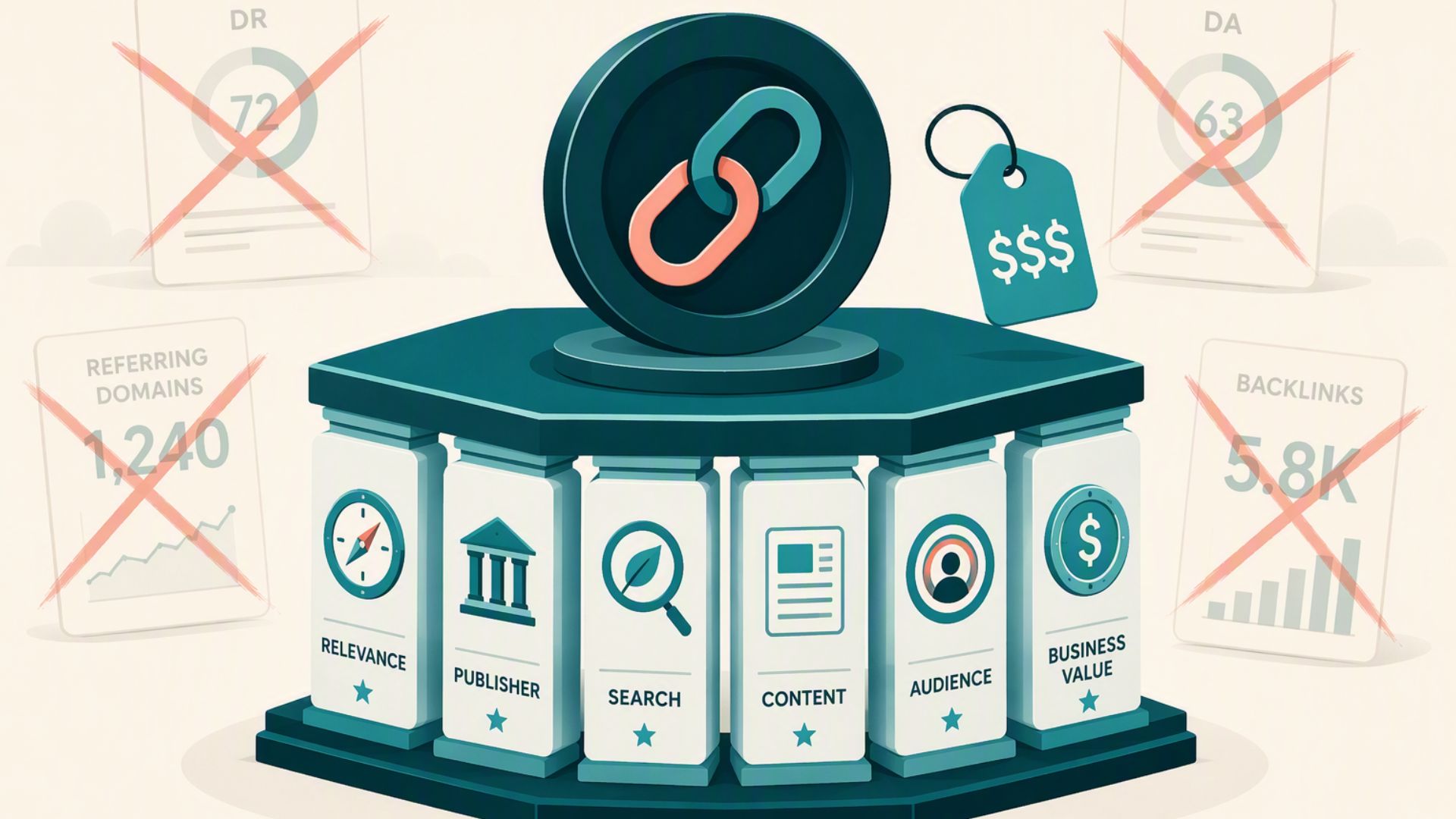
How to Determine the Value of a Backlink Before You Pay for It
Learn how to evaluate a paid backlink beyond DR, DA, traffic, and price by assessing relevance, page quality, audience value, terms, and search-policy risks.

How Backlinks Influence Domain Authority
Learn how backlinks influence Domain Authority, why link quality and referring-domain diversity matter more than volume, and how to evaluate SEO link-building results beyond a single third-party metric.

What Causes Domain Authority Drops (and How to Recover)
A drop in Domain Authority does not always mean an SEO problem. Learn how to identify lost backlinks, data changes, technical issues, and other causes before taking action.

How to Increase Domain Authority: What Actually Moves the Number
Learn what actually increases Domain Authority, from earning relevant backlinks and expanding referring domains to creating link-worthy content, while avoiding tactics that provide little or no DA benefit.

High DR vs High DA: Which Metric Should You Buy On?
Meta Description: Compare DR vs DA and learn which metric matters when buying a domain, plus the SEO signals to check before making a purchase.
Key Takeaway: Neither DR nor DA should be the sole metric for buying a domain. Use DR to compare backlink-profile strength in Ahrefs and DA to benchmark domains in Moz, then verify backlink relevance, organic visibility, content quality, and domain history before purchasing.
High DR vs High DA: Which Metric Should You Buy On?
DR and DA are often used to judge whether a domain is strong enough to pursue, but the two scores do not always agree. A site may show a high DR in Ahrefs and a lower DA in Moz, or the reverse, making it difficult to know which metric deserves more weight. The answer depends on what each score is designed to measure. This guide explains the difference between DR and DA, when each metric is most useful, and which other signals you should review before judging a domain.
DR and DA Measure Different Types of Domain Strength
DR and DA are third-party SEO metrics designed to help compare the relative strength of websites. Neither comes from Google, and neither is a direct Google ranking factor. The two scores can differ significantly because Ahrefs and Moz use different datasets, crawlers, and calculation methods.
Domain Rating (DR) is Ahrefs’ 0–100 metric for evaluating the strength of a website’s backlink profile relative to other sites in its index. It focuses on factors such as the referring domains linking to a site, the strength of those referring domains, and how those sites distribute their links.
Domain Authority (DA) is Moz’s 0–100 comparative metric that estimates how likely a domain is to rank in search results compared with other domains. Moz calculates DA using a machine-learning model based on link-related signals and other data associated with search performance.
Because the metrics measure domain strength differently, a website can have a high DR and a much lower DA, or the reverse. That does not necessarily indicate a problem with either score. It means the two tools evaluate the domain using different models and datasets.
When assessing a domain for purchase, treat DR and DA as comparison metrics rather than quality scores. A high number can indicate a potentially strong backlink profile or a competitive domain, but it does not confirm that the domain has relevant backlinks, valuable content, a clean history, or meaningful organic visibility.
When DR Is More Useful
DR is most useful when you want to evaluate the relative strength of a domain’s backlink profile using Ahrefs. Since the metric is based heavily on referring domains and their link authority, it can help you compare how established two domains are from a link-building perspective.
For example, if two domains are in the same niche and have similar histories, a higher DR may indicate that one has accumulated links from stronger referring domains. This makes DR particularly useful when reviewing aged or expired domains where the existing backlink profile is an important part of the purchase decision.
However, a high DR does not automatically make a domain valuable. The score does not tell you whether those backlinks are relevant to your niche, whether the site has meaningful organic visibility, or whether its history is clean. Review the actual referring domains and links behind the score before deciding whether the domain is worth buying.
When DA Is More Useful
DA is most useful when you use Moz to compare domains within the same niche or competitive group. Because it is a comparative metric, the score is more meaningful when you evaluate websites that target similar audiences, topics, and search markets.
For example, if most established competitors in a niche have similar DA scores, a domain with a significantly lower score may warrant a closer review. It could have a less established link profile or fewer signals that Moz’s model associates with search competitiveness.
However, DA should not be treated as a universal quality threshold. A lower-DA domain can still have relevant backlinks, strong content, organic visibility, and a clean history. When buying a domain, use DA to benchmark it against comparable sites, then review the underlying SEO signals before making a decision.
What to Check Before You Judge a Domain by DR or DA
DR and DA can help you compare domains, but neither score provides enough information to justify a purchase on its own. Before choosing a domain, review the signals behind the score and look for evidence that its authority is relevant and sustainable.
Topical relevance: Check whether the domain has consistently covered your niche or closely related topics. Relevant history is more useful than authority built around unrelated subjects.
Organic visibility: Review keyword rankings and estimated organic traffic to see whether the domain has maintained meaningful search visibility.
Content quality: Look for original, useful, and topic-focused content. A high score paired with thin, copied, or unrelated content deserves closer scrutiny.
Referring-domain quality: Examine the websites linking to the domain. A large number of referring domains is less valuable if many are low-quality, irrelevant, or suspicious.
Backlink relevance: Check whether important backlinks come from websites and pages that are contextually related to the domain’s niche.
Outbound-link patterns: Look for excessive links to unrelated commercial sites, which can be a warning sign when evaluating an aged or expired domain.
History and consistency: Review past uses of the domain and look for major topic changes, repurposing, or periods when its content and backlink profile do not align with its current purpose.
The goal is to determine whether the domain’s DR or DA reflects genuine SEO value rather than simply a high number in an SEO tool.
Conclusion
Neither DR nor DA should be the sole reason you buy a domain. The more useful metric depends on the SEO tool you use and what you are trying to evaluate.
If you are using Ahrefs and want to assess the strength of a domain’s backlink profile, DR should carry more weight. If you are using Moz to compare a domain with similar sites in your niche, DA can provide a useful benchmark.
The key is to avoid comparing the numbers directly. A DR of 50 does not mean the same thing as a DA of 50 because the metrics use different data and calculation methods.
For a domain purchase, look beyond either score. A domain with a slightly lower DR or DA may be a better investment if it has relevant backlinks, consistent organic visibility, useful content, and a clean history. The strongest purchase is the domain with the most credible underlying SEO signals, not necessarily the highest authority score.

What Is a Good Domain Rating (DR) Score for Buying Domains?
A high Domain Rating can signal backlink strength, but it does not guarantee a domain is worth buying. Learn how to assess DR, backlinks, relevance, history, traffic, and SEO risks before making an offer.

How to Choose Domains for 301 Redirection (Relevance & Risk Checklist)
Before using a domain for a 301 redirect, assess its relevance, backlinks, history, risks, and URL mapping opportunities—not just authority metrics.

Leveraging Expired Domains for 301 Redirects: A Practical Playbook
Learn how to use expired domains in a 301 redirect strategy by mapping valuable legacy URLs to relevant pages, replacement content, or a brand successor.

What Is a Domain Backorder? How to Catch a Domain Before Competitors
A domain backorder helps you pursue a registered name if it becomes available. Learn how backorders, drop catching, auctions, costs, and competition work.
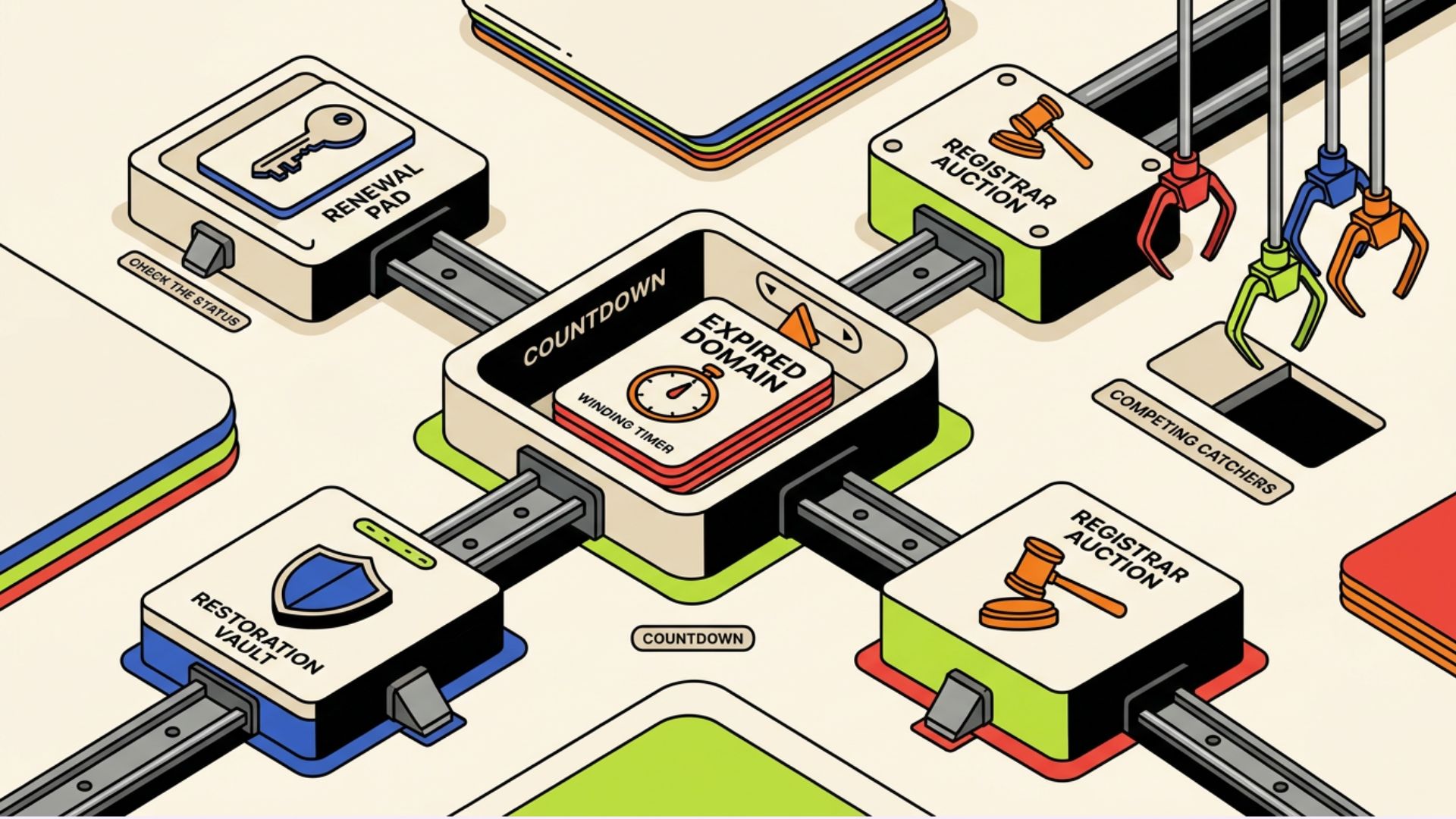
What Is Domain Drop Catching and How It Works
Domain drop catching helps buyers compete for expired domains as soon as they are released. Learn how drops, backorders, auctions, and competition work.

How to Get Rid of Toxic Backlinks
Learn how to identify toxic backlinks, decide which links need action, request removals, and use Google’s Disavow Tool only when a genuine spam or manual-action risk exists.

Does Domain Age Matter In SEO
Domain age is not a direct Google ranking factor. Learn why older sites may rank well, what signals actually matter for SEO, and how to choose between a new, aged, or expired domain.

Restoring Expired Domain Content
Learn how to restore an expired domain using archived pages, images, and URLs—then update content, rebuild site structure, manage redirects, and relaunch a useful website.

How Link Reclamation Works
Learn how link reclamation helps recover valuable backlinks lost through deleted pages, URL changes, broken links, or publisher updates—using redirects, restorations, and targeted outreach.

How to Make Money With Expired Domains
Discover practical ways to make money with expired domains—from reselling brandable names and building websites to lead generation and monetizing relevant traffic—while avoiding costly acquisition mistakes

Does Buying an Expired Domain Affect SEO
Buying an expired domain can help or hurt SEO depending on its backlinks, history, relevance, and new use. Learn what value may remain, the risks to avoid, and the checks to make before buying.

Aged Domain Vs. Expired Domain
Understand the difference between aged and expired domains, including their history, ownership status, benefits, risks, and the key checks to make before selecting a domain for a new website.

How to Use Expired Domains for SEO
Learn how to evaluate and use expired domains for SEO by reviewing backlinks, historical content, relevance, redirects, and performance—without relying on risky shortcuts or misleading authority metrics.

How to Find Expired Domain Names With Traffic
Learn how to evaluate expired domains with traffic by checking keyword relevance, traffic trends, backlinks, and site history—so you can identify credible opportunities instead of misleading SEO metrics.

Best Aged Crypto Domains for SEO: What to Look For
Discover how aged crypto domains can strengthen SEO through proven authority, quality backlinks, and topical relevance. Learn what to check before buying and how to maximize long-term search performance.

Expired Domain Buying Checklist (Before You Pay)
Use this expired domain checklist to evaluate age, backlinks, penalties, topical relevance, trademarks, and SEO value before buying. Avoid costly mistakes and invest with confidence.

How the Expired Domain 301 Redirect Method Works
Learn how expired domain 301 redirects recover dormant link equity, when they work, how to vet domains safely, and the risks, best practices, and SEO impact of authority transfer.

What Is Domain Rating (DR)? How Ahrefs Calculates It
Learn what Domain Rating (DR) means, how Ahrefs calculates it, why the scale is logarithmic, and how to use DR properly for SEO benchmarking, backlink analysis, and domain evaluation.

Best Domain Registrars Reviews 2026
Compare the best domain registrars in 2026, including DomRaider, GoDaddy, Namecheap, Domain.com, and Name.com, based on pricing, security, DNS tools, support, and long-term value.

Performing Due Diligence on Aged Domains
Aged domain due diligence helps buyers uncover hidden risks, evaluate backlinks, verify history, and identify legal issues before investing in a domain.

Building Niche Sites Using Aged Domains
Building niche sites with aged domains can accelerate SEO growth through existing backlinks and authority. Success depends on domain relevance, careful research, quality content, and a long-term strategy.

How to Choose an Aged Domain?
Choosing the right aged domain requires more than checking its age. Learn how to evaluate domain history, backlinks, relevance, and trust signals to find an aged domain that supports long-term SEO and business growth.
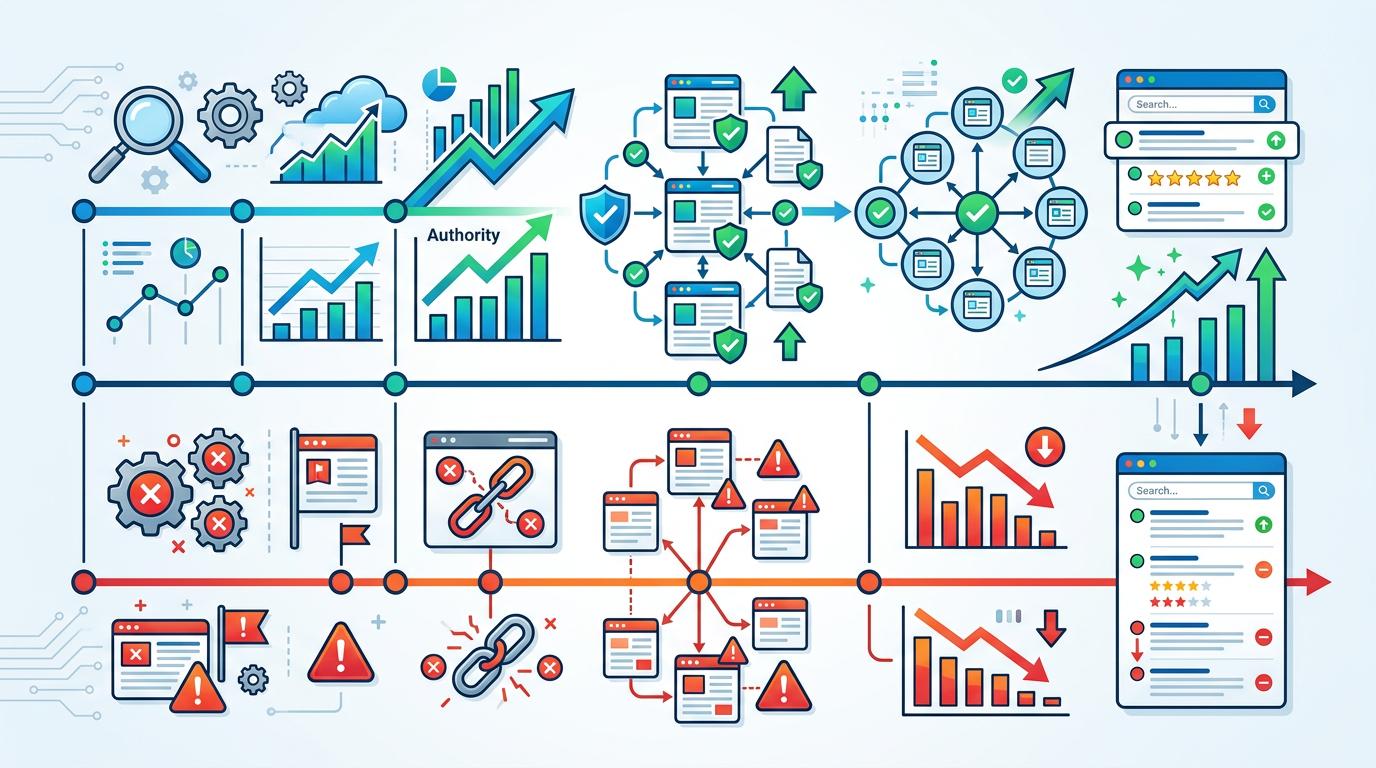
What Is an Aged Domain?
An aged domain can provide SEO advantages through established backlinks, trust signals, and online history. Learn how aged domains differ from expired domains, their benefits, risks, and how to evaluate them before buying.

Hide PBN from SEO Tools: Complete Blocking Guide 2026
Learn how selective crawler blocking helps limit SEO tool visibility using robots.txt, .htaccess rules, Cloudflare masking, and monitoring strategies.

PBNs for Topical Authority 2026: Niche Clusters & E-E-A-T Guide
Learn how PBN clusters strengthen topical authority through niche relevance, structured content, contextual linking, and semantic SEO strategies.

PBN Anchor Text Strategies 2026: Safe Ratios & Distribution Guide
Learn how to optimize anchor text for PBN backlinks using safe ratios, contextual placement, and natural link velocity to improve rankings while avoiding penalties.

How to Create PBN Backlinks Safely
Learn how to build PBN backlinks safely using high-authority domains, diversified hosting, natural anchor text, and gradual link deployment to reduce footprints and SEO risks.

How to Prevent PBN Deindexing: 2026 Checklist & Recovery Guide
Learn how to prevent PBN deindexing with a 2026 checklist covering hosting diversity, content quality, natural link patterns, and proactive monitoring to protect and recover your network.

How PBNs Affect SEO: Why They Work When Done Correctly (2026 Guide)
Discover why PBNs remain effective in SEO, delivering fast rankings, controlled link equity, and measurable traffic growth when combined with smart risk management and diversified link strategies.

Hide PBN Footprints 2026: Complete Google Evasion Checklist
Reducing PBN footprints requires diversifying hosting, design, content, and link patterns. Strategic variation and continuous monitoring help minimize detection and improve long-term network stability.

Using Expired Domains in PBNs: Complete Guide to SEO Power 2026
Learn how sustainable PBN strategies in 2026 focus on long-term authority, controlled link velocity, and high-quality content to build durable SEO equity while reducing footprint risks and maintaining stable rankings over time.

Sustainable PBN Strategies in 2026: Build Links That Last
Learn how sustainable PBN strategies in 2026 focus on long-term authority, controlled link velocity, and high-quality content to build durable SEO equity while reducing footprint risks and maintaining stable rankings over time.
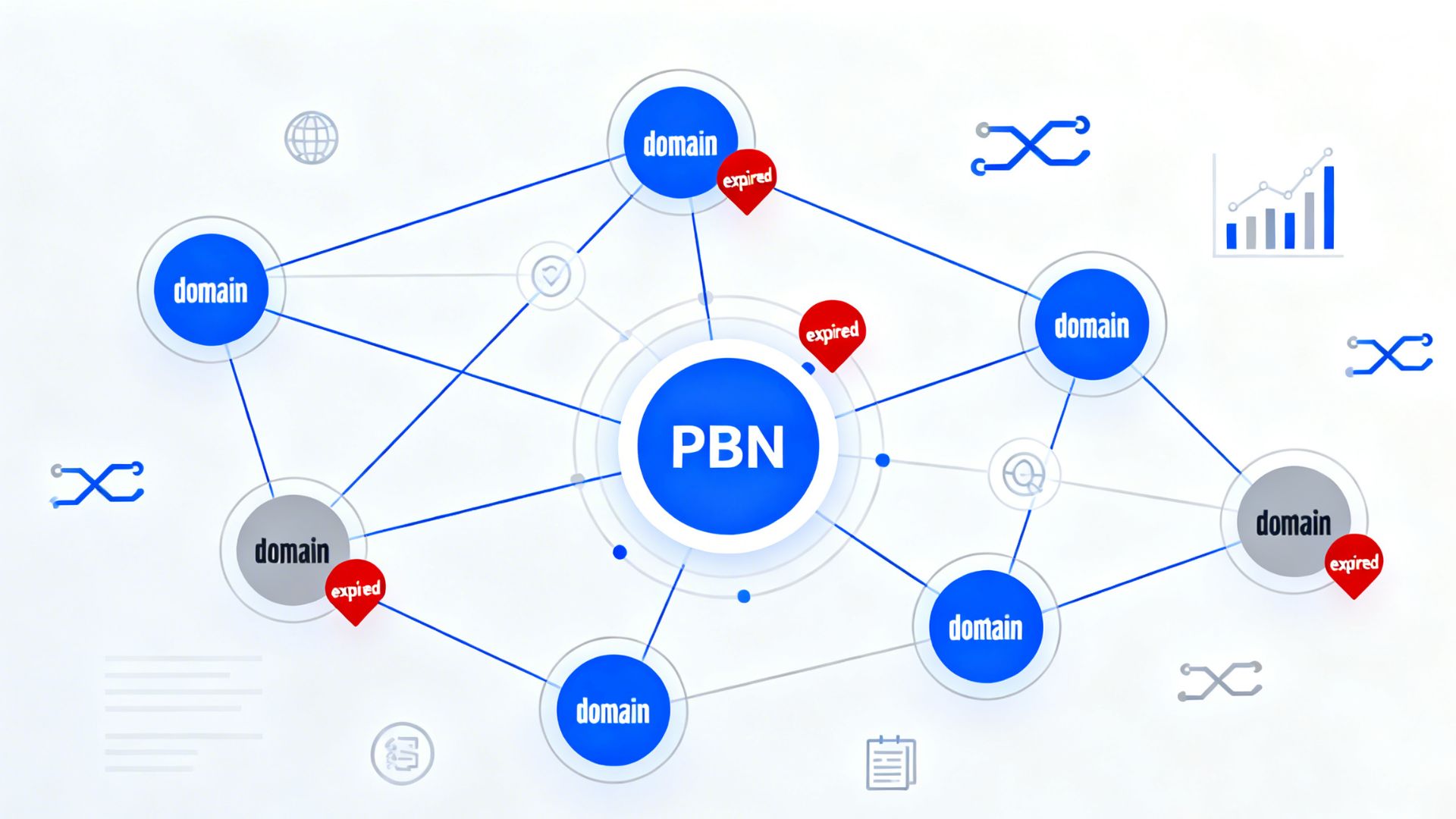
Using Expired Domains in PBNs: Complete Guide to SEO Power 2026
Expired domains can boost PBN performance by leveraging existing backlinks, authority, and age signals. Proper vetting, integration, and maintenance are essential to avoid penalties and maximize long-term SEO value.
Best Expired Domain Finder Tools in 2026
Expired domain finder tools help SEO professionals discover valuable domains with backlinks, traffic, and authority. This guide reviews eight top platforms in 2026 and explains how these tools track, filter, and evaluate expiring domains.

PBN Hosting Pros & Cons: Best Setup for Private Blog Networks
PBN hosting distributes private network sites across different IP ranges, servers, and providers to reduce detectable footprints. This infrastructure separation helps minimize ownership patterns while supporting scalability and control in network-based link-building strategies.

What Are PBN Links?: Private Blog Network Backlinks Explained
PBN links are backlinks placed on privately owned networks of websites built on expired domains. They allow full control over anchor text and link placement, potentially accelerating rankings, but they violate search engine guidelines and carry detection risks.

How to Build a PBN Safely?
A Private Blog Network (PBN) is a group of sites built on expired domains to pass link equity to a main website. By controlling anchor text and link placement, PBNs can accelerate rankings, but they carry risk under search engine guidelines and require careful management.
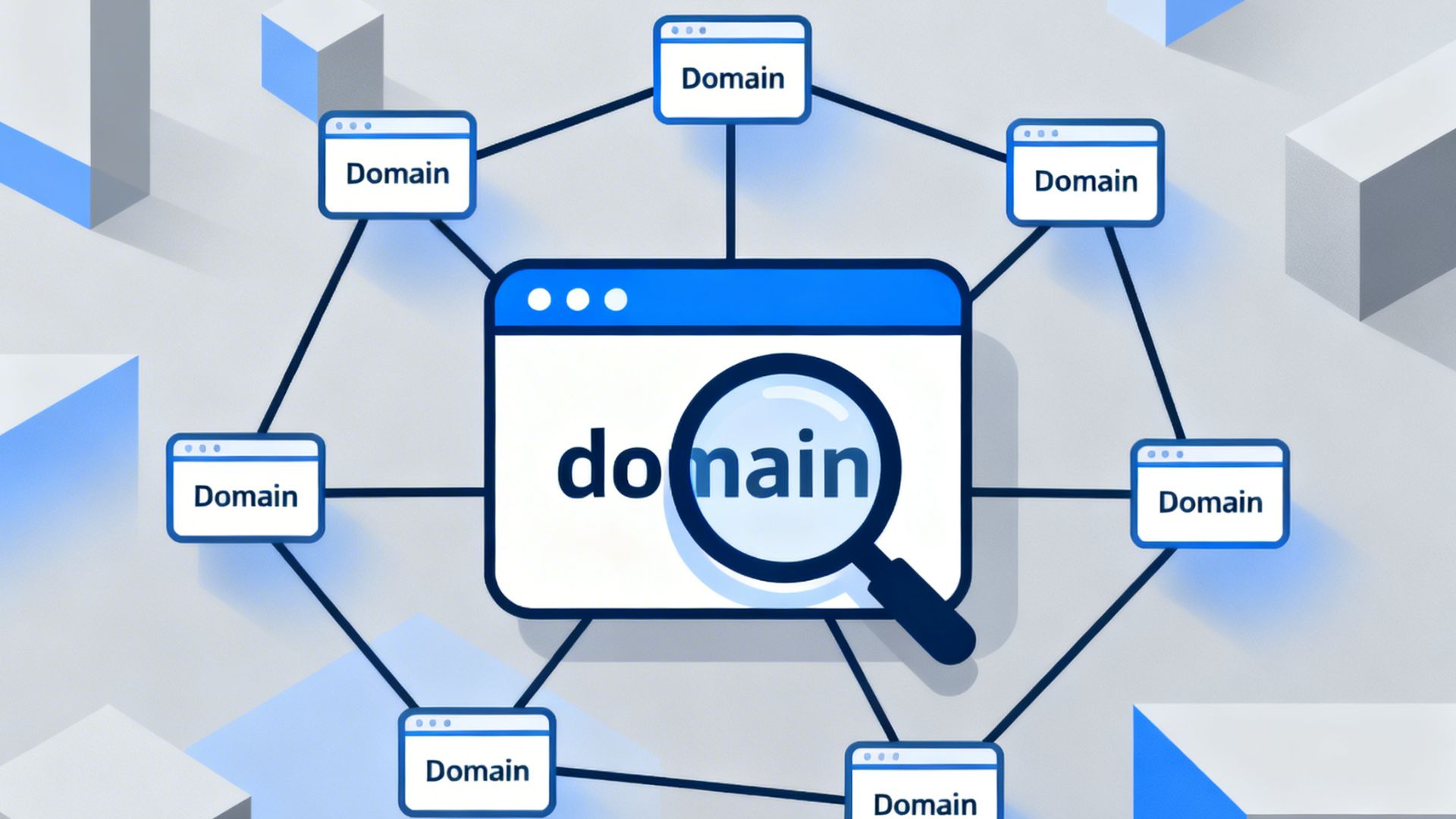
How to Find Domains for PBNs
Finding quality expired domains requires careful research, backlink analysis, and history checks. When vetted properly, domains with clean link profiles and relevant histories can support SEO strategies by providing existing authority signals and trusted backlinks.
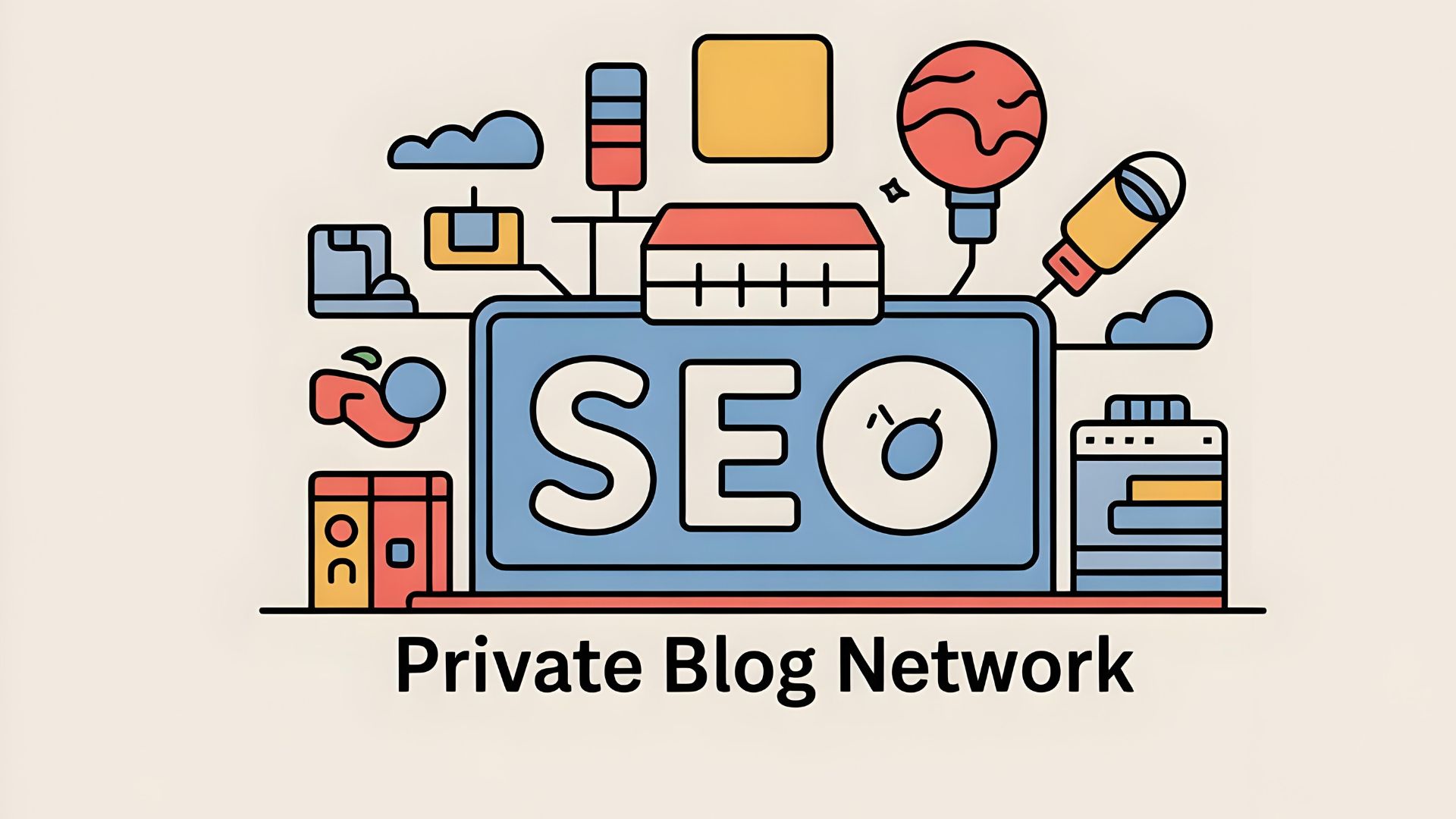
What Is a Private Blog Network?
A Private Blog Network (PBN) is a group of websites controlled by a single entity and used to place links to a target site. Often built on expired domains, PBNs aim to influence search rankings by controlling link placement, anchor text, and authority signals.

Domain Squatting Explained: How Cybersquatting Threatens Brands in 2026
Domain squatting, or cybersquatting, targets brands by registering similar domains for profit, fraud, or malware. This guide covers what it is, key types, real cases, legal remedies, risks, and proven strategies to prevent brand and revenue loss.

Can You Buy a Domain Name Forever
Domain names are leased, not permanently owned. This guide explains registration terms, renewal strategies, security measures, and best practices to keep your domain long-term and protect your brand.

Understanding Domain Name Disputes: Causes, Types, and Resolution
Domain name disputes arise when domains conflict with trademarks or brand rights. This guide explains common dispute types, why they occur, and how UDRP, URS, and courts resolve domain ownership conflicts.

Preventing Domain Hijacking: How to Protect Your Domains
Domains underpin nearly every online activity, including websites, email, payments,
6 Reasons Why Some Domains Are So Expensive
Some domains cost more due to scarcity, strong keywords, premium extensions, brandability, and existing SEO value. Learn what drives domain pricing in today’s digital market.

How to Spam Check Expired Domains (2026 Checklist)
Domain expiration protection safeguards ownership when renewals fail, preventing loss of branding, traffic, and email services. It ensures continuity and reduces risks from administrative or payment errors.

What Is Domain Expiration Protection and Why Does It Matter
Domain expiration protection safeguards ownership when renewals fail, preventing loss of branding, traffic, and email services. It ensures continuity and reduces risks from administrative or payment errors.
Domain Auctions Explained: How They Work and Why They Exist
Domain auctions let buyers acquire premium, previously registered names through bidding or fixed-price sales, offering branding, SEO, and credibility advantages over new registrations.

Referring Domains vs Backlinks for SEO: What Matters More?
Referring domains measure unique sites linking to you, while backlinks count total links. Search engines value link diversity more, making referring domains a stronger SEO signal for trust and authority.

What Is an Expired Domain? SEO Guide, Lifecycle, Benefits, and Risks
Expired domains offer SEO value through backlinks, age, and historical trust, providing a faster start than new domains—but require careful evaluation to avoid risks.

How Domain History Affects SEO Rankings
Domain history shapes SEO by influencing trust, backlink quality, and indexing speed. Clean, consistent histories support growth, while negative past use can slow rankings or trigger filters.
Expired Domains vs Aged Domains: What Is the Difference?
Aged and expired domains differ in ownership history, risk, and SEO trust. Knowing how each impacts authority, backlinks, and stability helps marketers choose the right domain and avoid penalties or wasted investment.

What Happens After the Domain Redemption Period?
After the redemption period, a domain enters pending delete and eventual final deletion. Understanding this lifecycle helps owners protect websites, email, and SEO before permanent loss.

Is It Legal to Buy Expired Domains?
Buying expired domains is generally legal once fully deleted, but trademark conflicts and prior use can create risks. This guide explains safe practices, legal considerations, and due diligence for investors.

How to Find High-Authority Expired Domains for SEO
High-authority expired domains retain backlinks, trust, and niche relevance, offering a powerful way to boost SEO. This guide explains how to evaluate, select, and safely leverage expired domains.

What Happens When a Domain Expires?: Complete Timeline & Risks
A domain name can stop working immediately after expiration, causing website outages, email failure, and service disruptions. Understanding the 0–75+ day expiration timeline helps owners recover or prevent domain loss before it becomes costly.

Expired Domain Flipping: A Complete, Objective Guide for 2025
Expired domain flipping involves buying lapsed domains and reselling them for profit. Many expired domains retain SEO value, backlinks, and branding potential. This guide explains how the strategy works, how to evaluate domains, and how beginners can reduce risks.

How to Check Your Domain Expiry Date: A Complete Guide
A domain’s expiry date determines how long a website and email services remain active. Missing renewal deadlines can lead to downtime, lost rankings, and brand risks. This article explains how to check expiry dates and avoid costly disruptions.