
An expired domain can look like an easy SEO opportunity, especially when it has a history of relevant content, backlinks, or search traffic. But those assets do not automatically translate into better rankings. The real challenge is knowing whether the history is useful and how to apply it without creating SEO problems. Used carefully, an old site can provide a foundation for a relevant project, help restore valuable pages, or support an existing website through appropriate redirects. This guide explains how to assess that potential and use it in a practical, sustainable way.
What SEO Value Can an Expired Domain Actually Have?
An expired domain can retain useful SEO assets from its previous life, but its value depends on what those assets are and whether they remain relevant to the new project. A long registration history or a high third-party authority score is not enough on its own.
The most useful assets to examine include:
- Relevant backlinks: Links from reputable, topic-related websites can provide useful referral traffic and indicate that the site previously offered something worth referencing.
- Referring domains: A smaller number of relevant, trustworthy referring sites can be more valuable than thousands of low-quality links.
- Historical content: Previous pages may have attracted links, search visibility, or an established audience around a topic that still matches the new site’s purpose.
- Organic traffic and rankings: Evidence of genuine search traffic can help show that the site previously had visibility for relevant queries. It should be treated as historical evidence, not a promise of future performance.
- Topical relevance: A strong connection between the site’s previous subject and its new purpose makes it easier to build on existing context without creating an abrupt change for users or search engines.
- Third-party metrics: Scores such as Domain Rating (DR) and Domain Authority (DA) can help with initial research, but they are proprietary metrics from third-party tools, not Google ranking factors.
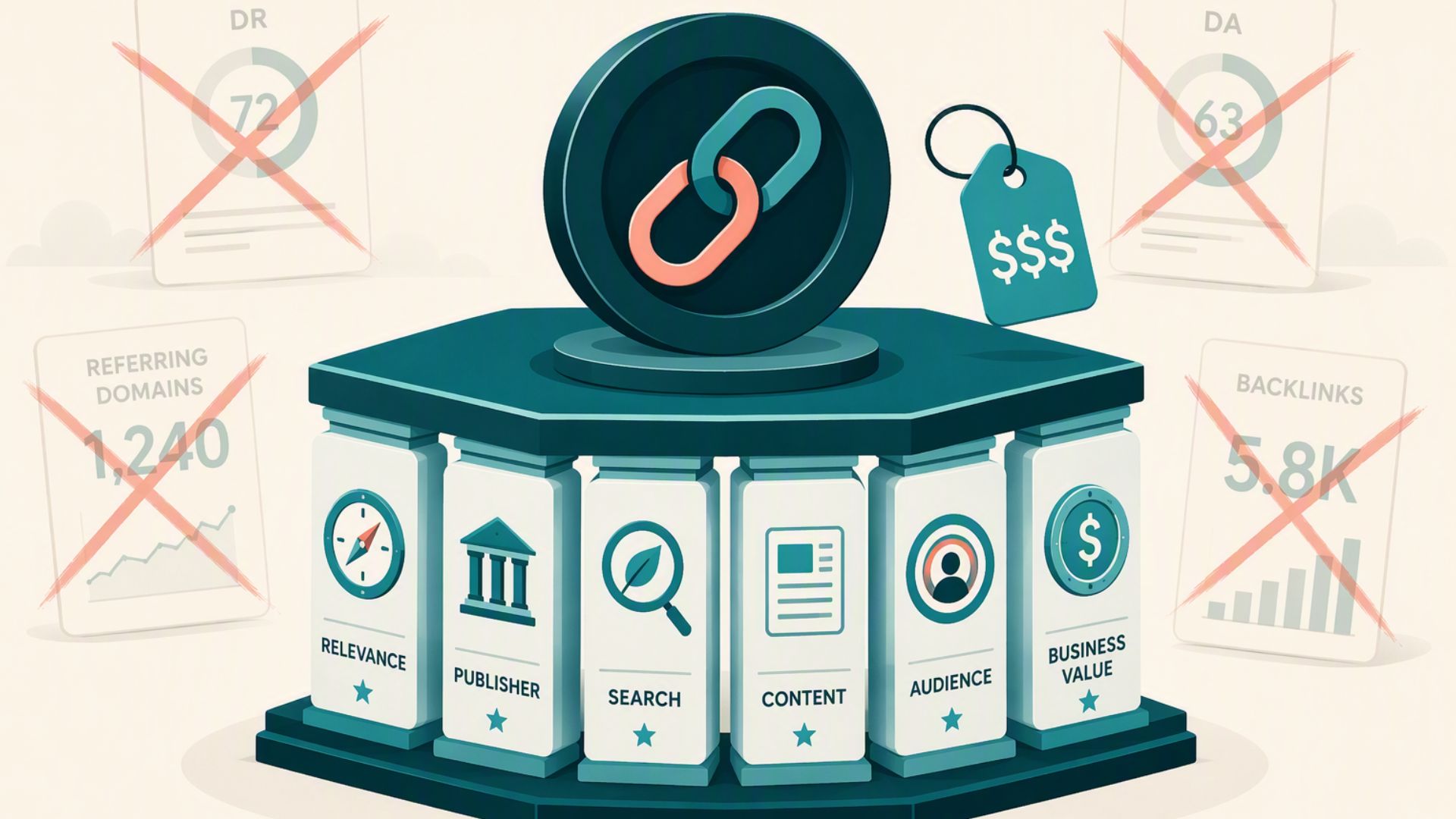
The key is to look beyond the numbers. A site with fewer backlinks but a clean history, relevant content, and credible referring sources may be a better SEO asset than one with impressive metrics built on unrelated or questionable links.
How to Evaluate an Expired Domain Before Using It
Before using an expired domain, start by reviewing its history. Check archived versions of the site to understand what it previously published, whether its topic remained consistent, and whether it was ever used for spam, automated content, or unrelated purposes. The closer its previous subject is to your planned project, the easier it is to build on that history without creating an obvious disconnect.
Next, examine its backlink profile rather than focusing on the total number of links. Look at the referring websites, the quality and relevance of those links, the anchor text, and the specific pages that earned them. Historical organic traffic, ranking keywords, and pages that attracted links can provide additional context. Third-party metrics such as DA or DR can help with initial screening, but they should not outweigh the actual history and quality of the site’s links.
Finally, check for practical issues before moving forward. Look for signs of spam or manipulation, review any important historical pages you may want to restore, and make sure the name does not create brand or trademark concerns. If the site’s history, links, and previous audience have little connection to what you plan to build, its apparent SEO metrics may not justify using it.
4 Ways to Use an Expired Domain for SEO
Once you have confirmed that an expired domain has a relevant history and worthwhile SEO assets, the next step is choosing how to use it. The right approach depends on what the site was previously about, which pages and links still have value, and how closely that history fits your current goals.

Rebuild the Website
Rebuilding the original site, or creating a closely related version, can make sense when its previous topic still aligns with your plans. Start by identifying useful historical pages and deciding which ones are worth restoring or improving. Keep relevant URLs where practical, but do not simply copy outdated content. Update information, fix broken pages, and build out the site with original content that serves the same audience.
Restore Valuable Historical Pages
You do not always need to rebuild an entire website. If a few historical pages attracted relevant backlinks or search traffic, restoring those pages can be a more focused approach. Review their original purpose, create useful and up-to-date replacements, and keep the existing URL when it still makes sense. This gives visitors a relevant destination instead of trying to preserve a URL solely for its backlink value.
Redirect Relevant URLs to an Existing Website
A permanent 301 redirect can be appropriate when an old URL has a clear, relevant destination on an existing site. For example, a page about a discontinued product could reasonably point to a current page covering the same product or a suitable replacement. The important part is relevance. Redirecting unrelated URLs to a homepage simply because they have backlinks is not a sound strategy and can create a poor experience for visitors.
Build a New Standalone Website
Some domains are better suited to becoming independent websites, particularly when their previous subject provides a strong foundation for a new project. The goal should be to build a useful resource for a real audience, not to rely on inherited metrics as a substitute for SEO work. Establish the site’s own content, structure, and authority while maintaining a sensible connection to its previous context where appropriate.
What to Avoid When Using Expired Domains for SEO
Using an expired domain successfully requires looking beyond its apparent SEO metrics. Avoid these common mistakes when deciding how to use one:
- Choosing based only on DA, DR, or age: These metrics can help with initial research, but they do not prove that a site has valuable or trustworthy SEO signals.
- Ignoring its previous history: A site that was previously associated with spam, hacked content, or manipulative link building may carry risks that are not obvious from its headline metrics.
- Switching to a completely unrelated topic: A major change in subject can break the relevance between the site’s previous content, backlinks, and new purpose.
- Relying on low-quality backlinks: A large backlink count means little when most links come from irrelevant, suspicious, or low-quality sources.
- Redirecting unrelated URLs: A redirect should lead users to a relevant replacement. Sending unrelated URLs to a homepage simply because they have backlinks is not a sound approach.
- Publishing thin or unrelated content: Creating pages mainly to exploit historical links, without providing meaningful value to visitors, can undermine the entire strategy.
- Using it primarily for link manipulation: Google’s current spam policies classify repurposing an acquired site primarily to manipulate search rankings with little or no user value as expired domain abuse.
The underlying principle is simple: use the site’s previous assets where they genuinely support the new project, rather than trying to extract SEO value from them at any cost.
How to Measure the Results
After putting the strategy in place, give search engines time to recrawl and reindex the affected pages before judging the outcome. Google Search Console is useful for checking whether important URLs are indexed and tracking changes in impressions, clicks, and search queries.
Compare organic traffic and keyword rankings against your baseline, but do not focus on rankings alone. Relevant referral traffic, engagement, leads, sales, or other business goals can provide a clearer picture of whether the site is actually delivering value. If visibility improves but visitors are not finding useful content or taking meaningful actions, the strategy may need adjustment.
Also watch for unexpected changes, such as important pages dropping from the index, crawl issues, broken redirects, or traffic coming from irrelevant sources. Measuring these signals together gives you a more reliable view of whether the approach is helping the site rather than simply producing short-term ranking changes.
Conclusion
Expired domains can support an SEO strategy when their existing history, backlinks, and topical relevance genuinely fit the project. The key is to evaluate those assets first and then choose the right approach, whether that means rebuilding the site, restoring useful pages, redirecting relevant URLs, or developing a new website.
The strongest results come from treating the old site’s history as a starting point rather than a shortcut. Build something useful, preserve relevant connections where they make sense, and measure the results based on real search visibility and business value.