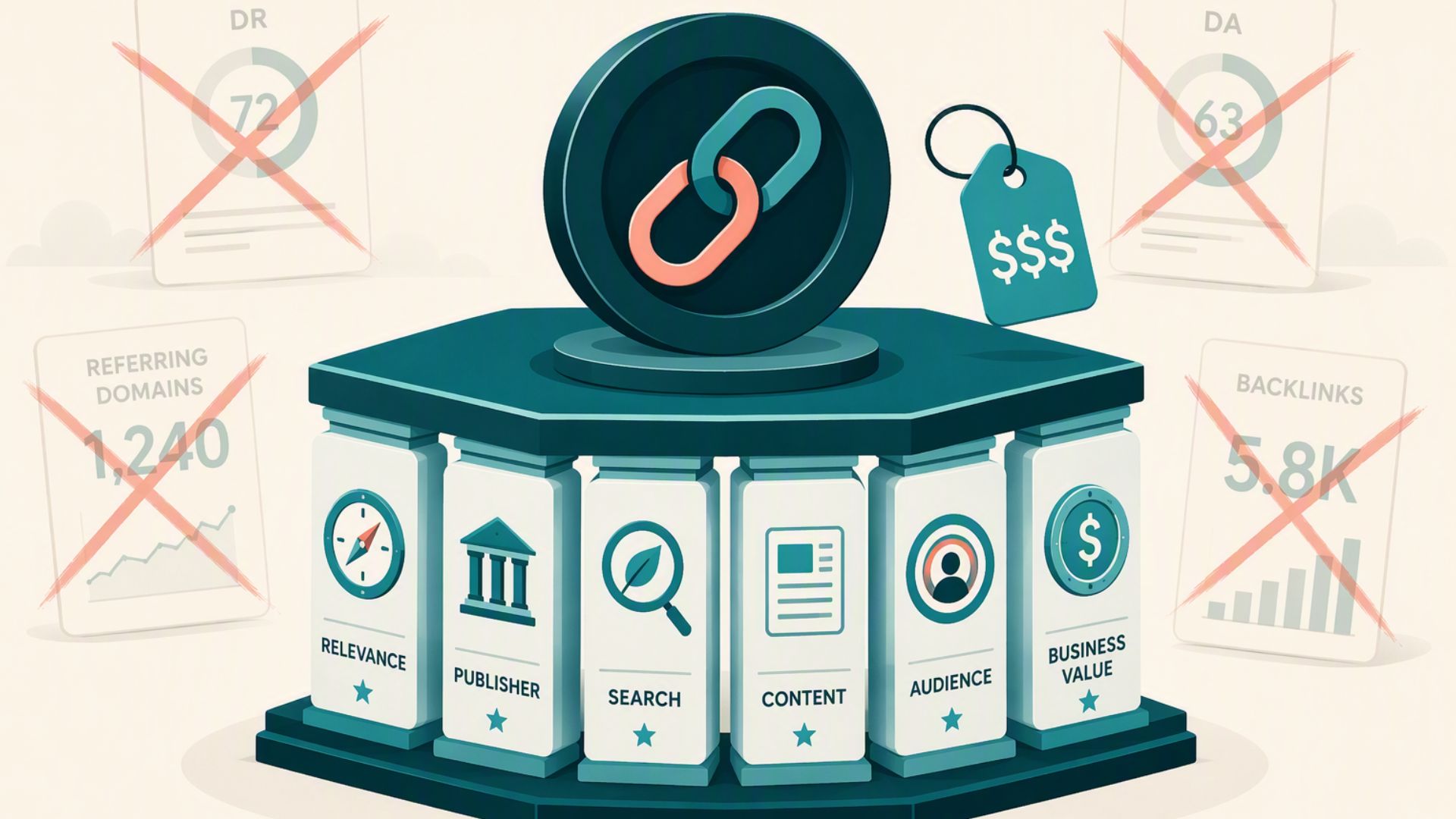

When choosing a domain for a new website, you may come across both aged and expired domains and assume they are essentially the same. They are not. The two terms describe different aspects of a domain’s history and registration status, and each comes with its own advantages, drawbacks, and considerations. Knowing the difference can help you avoid paying for a name simply because it looks valuable on paper. This guide compares aged and expired domains, explains where each can make sense, and highlights what to consider before choosing one for your next website.
What Are Aged and Expired Domains?
An aged domain is a web address that was registered some time ago and has been in existence for a period of years. The term describes its age, not necessarily the quality of the website that used it. An older registration may have a long history behind it, or it may have spent much of that time unused.
An expired domain, on the other hand, is one whose registration period has ended because the previous registrant did not renew it. Depending on the registrar and extension, the owner may have a limited opportunity to recover it before it moves through the next stages of the expiration process. If it is eventually deleted and becomes available again, another person or business can register it.
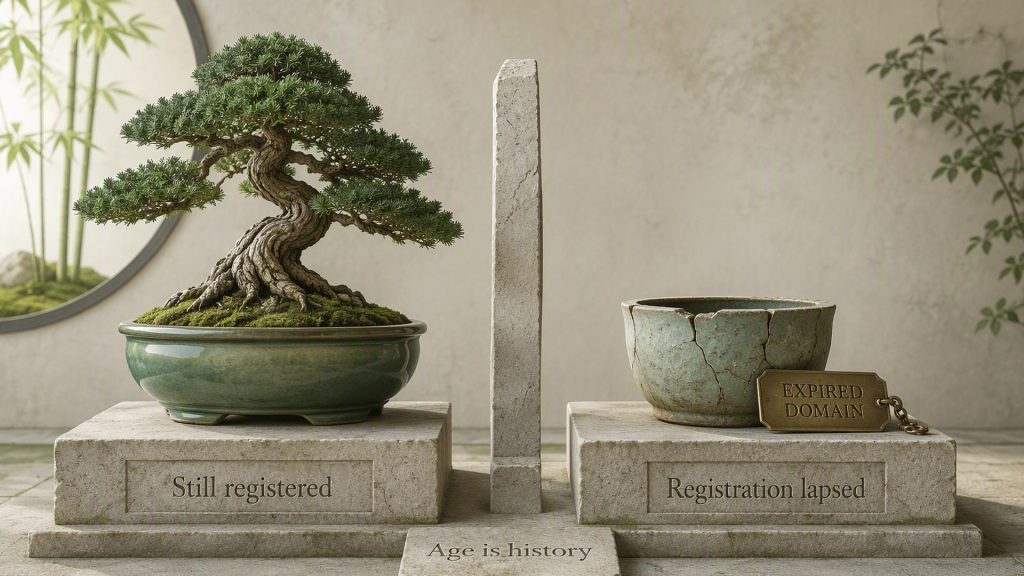
These terms can also overlap. A website address can be several years old and later expire, meaning an expired domain can also be aged. The key difference is that age describes how long it has existed, while expiration describes its registration status.
Aged Domain vs. Expired Domain: What’s the Difference?
Age vs. Registration Status
Age tells you how far back the registration dates, but it does not tell you whether the registration is currently active. Expiration, meanwhile, tells you about its current registration status rather than how old it is.
This distinction matters because an older registration is not automatically more valuable than a newer one. Likewise, an expired registration is not automatically worthless. The two labels simply provide different pieces of information.
Registration and Ownership History
An older registration may have remained active under one owner or changed hands over the years. An expired registration can also be acquired by someone new after the previous registrant fails to renew it and the registration eventually becomes available.
Because of this, the registration date alone does not tell the whole story. When evaluating one for purchase, it is useful to understand how it was used and whether its history has remained consistent.
Website and Historical Use
Age also does not tell you what was actually hosted there. An older address may have supported a legitimate business, publication, or resource for years. Another may have been parked, unused, or repeatedly repurposed.
The same applies to an expired one. Its previous website and history can vary considerably, so the label should not be treated as a quality indicator.
What Happens After Expiration
Expiration does not always mean that a registration immediately becomes available to someone else. For gTLDs covered by ICANN’s Expired Registration Recovery Policy, the previous registrant must have opportunities to renew or restore the registration under defined circumstances. If it is ultimately deleted and not restored, it may later become available for registration again. Exact processes and timing can vary by registrar and TLD.
What Are the Benefits of an Aged Domain?
An aged domain can be useful when you want a web address with an established history rather than starting with a newly registered name. If it has been used consistently for a legitimate website, some of that history can make it more attractive for a new project.
One practical benefit is historical continuity. A well-maintained registration may have an existing brand presence, references from other websites, or content history that gives you more context than a completely new name.
An aged domain can also offer more predictable acquisition conditions. Because it is still registered, you typically negotiate directly with the current owner rather than waiting for it to pass through an expiration and deletion process.
The main advantage, however, is not simply its age. A clean history and a sensible connection to your planned website make an older registration more useful.
What Are the Benefits of an Expired Domain?
Expired domains can offer an opportunity to acquire a name that previously belonged to another website but is no longer being renewed. This can be particularly useful when you find one with a relevant history and a name that fits your project.
One potential benefit is access to an established web address that is no longer being actively used. Depending on its history, it may have previous content, references, backlinks, or recognition associated with it. These should be investigated rather than assumed to have value.
They can also provide more options when searching for a suitable name, especially when a desirable name is no longer available through ordinary registration. However, availability does not necessarily mean the name is a good acquisition.
An expired domain is therefore best viewed as an opportunity to acquire an existing piece of web history. Its usefulness depends on what that history contains and whether it fits the purpose of the new website.
What Are the Risks of Aged and Expired Domains?
An older registration or a previously used name can look attractive at first, but its history may contain problems that are not visible from the listing. The risks are similar for both types, although an expired one may require more investigation because it has changed registration status.
Poor Previous Use
A previous owner may have used the site for spam, low-quality content, aggressive advertising, or unrelated projects. A long history is only useful when that history is worth inheriting.
Weak or Irrelevant Backlinks
A high backlink count can make a name appear valuable, but the links may come from unrelated or low-quality sources. Looking at where the links come from is more useful than judging the registration by a single metric or total link count.
Reputation and Brand Issues
An established name may already be associated with a business, organization, product, or past controversy. This can create confusion or reputational problems if you use it for an unrelated project.
Hidden Costs
A low purchase price does not necessarily mean a low-cost acquisition. You may need to replace old content, rebuild the site’s identity, investigate its history, or deal with other problems left by previous owners.
A False Sense of Value
Age, traffic estimates, backlink counts, and third-party scores can make a registration look more valuable than it actually is. These figures need context before you make a decision.
The safest approach is to research the history before buying, rather than assuming an aged or expired name is valuable simply because it has been around for a long time or was previously used.
Which Should You Choose: Aged or Expired?
There is no universal winner between an aged and expired domain. The better choice depends on what you need and what you find during your research.
An aged domain can make sense when you want an established registration that is still active and has a clean, relevant history. An expired domain may be worth considering when you find a suitable name with a legitimate past and useful history that fits your new project.
In either case, don’t make the decision based on age, availability, price, or a third-party metric alone. Check how the name was used, whether its history matches your plans, and whether there are any issues you would inherit.
The best choice is not necessarily the older or expired option. It is the one that fits your project and comes with a history you are comfortable building on.