
Buying an expired domain can seem like a shortcut to building search visibility, especially when it comes with an established history, backlinks, or previous traffic. But those factors do not automatically translate into better rankings. A poor history or irrelevant backlink profile can create the opposite result, while a clean and relevant site history may offer useful starting points.
The challenge is knowing what SEO value, if any, remains after a domain changes hands and how its new use affects that value. Understanding these factors can help you decide whether buying one is a worthwhile SEO move or an unnecessary risk.
When an Expired Domain Can Benefit SEO
Quality existing backlinks
A strong backlink profile can give a new site a useful starting point. Links from reputable, relevant websites are generally more meaningful than a large number of low-quality links. Google has also noted that established sites can have valuable signals built up over time, particularly when moving an existing site to a new location.
However, the number of backlinks alone is not enough. A site with hundreds of referring pages can still be a poor choice if most links are irrelevant, manipulative, or tied to questionable practices. The quality and relevance of those links should be examined before treating them as an SEO asset.
Relevant history and topical alignment
The previous subject matter also matters. If the old site covered web hosting and the new project is also focused on hosting, there is a logical connection between the existing history and the new content. That makes more sense than taking a former travel site and turning it into an unrelated financial website simply because it has strong SEO metrics.
This does not mean the new site must copy the previous one. It means there should be a sensible reason for using the existing web presence as a foundation. Google specifically allows old domains to be used for new, original sites when the purpose is to provide value to people, rather than primarily manipulate search rankings.
Existing traffic and other useful signals
Some acquisitions may also have residual direct or referral traffic, brand recognition, or useful references from other websites. These can have practical value even when they do not translate directly into higher organic rankings.
The key is to treat these as potential assets, not guaranteed SEO gains. Traffic can disappear after the site changes, and old visitors may have little interest in the new offering. In practice, the strongest opportunity comes when the site’s previous audience, links, and subject matter are still relevant to what you intend to build.
When an Expired Domain Can Hurt SEO
A spammy backlink profile can become a liability
A large number of backlinks does not necessarily mean a strong profile. If many links come from irrelevant websites, link networks, paid schemes, or other manipulative sources, those numbers can be misleading. Google considers artificial or manipulative links that are intended to influence rankings a violation of its spam policies, and serious violations can lead to manual action.
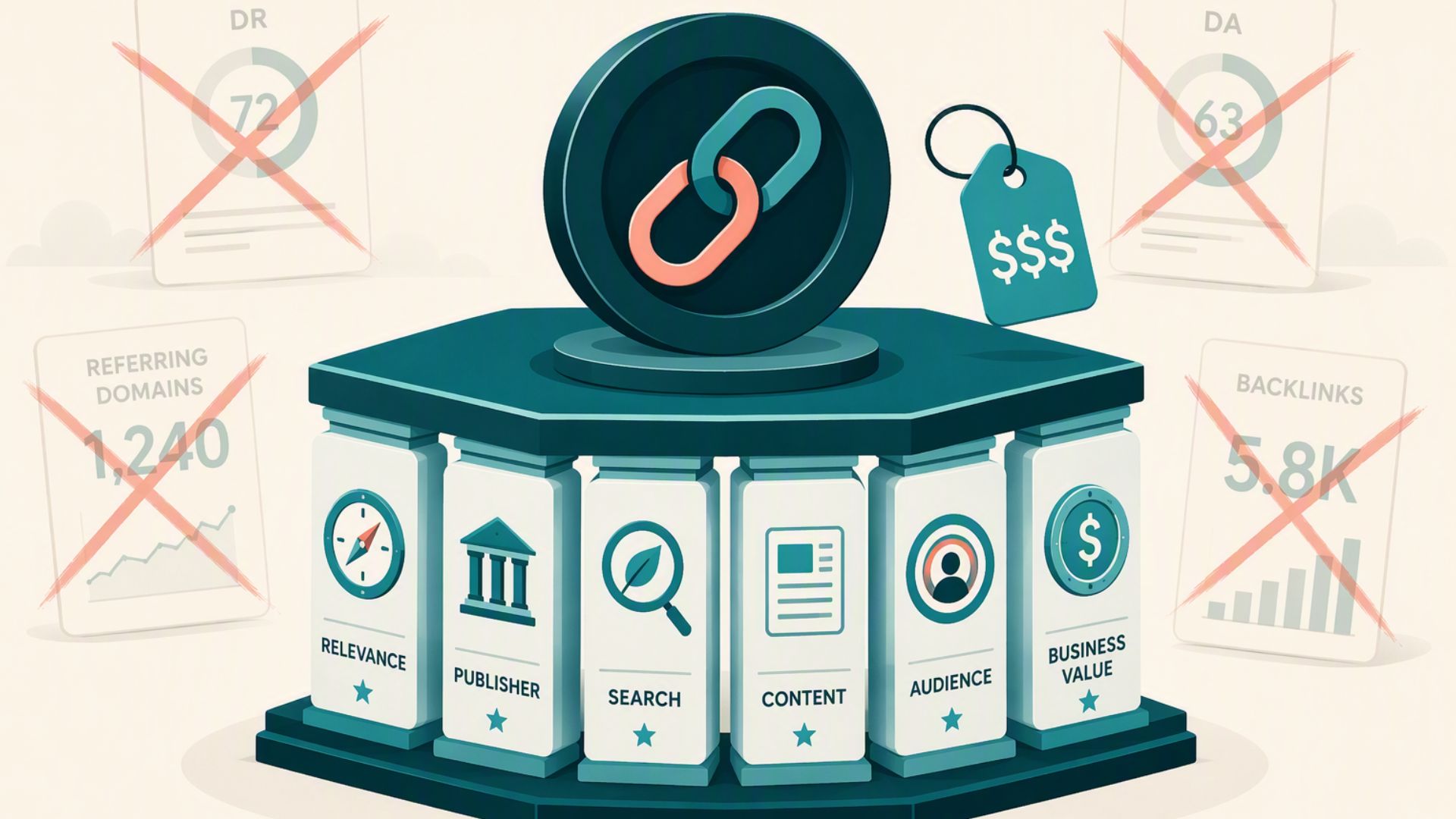
This is why looking only at metrics such as domain rating or domain authority can lead to a bad purchase. The more useful question is where the links came from, why they were created, and whether they make sense for the site you intend to build.
Previous spam or hacked content can create problems
A site’s history can reveal uses that have little connection to the project you have planned. It may previously have hosted thin affiliate pages, automated content, hacked pages, or other spam. Google specifically identifies repurposing an old site primarily to manipulate rankings with low-value content as expired domain abuse.
Hacked content is another concern. A previous owner may have left behind injected pages or other security problems that are not obvious from the homepage. Google recommends checking Search Console for security issues and other problems when investigating a site that has changed hands.
A previous manual action may still need attention
One of the more important checks is the Manual Actions report in Google Search Console. Google states that if you recently acquired a site that violated its spam policies before you owned it, you should fix the reported issues and explain the change of ownership when submitting a reconsideration request.

That does not mean every previously problematic site is permanently damaged. It does mean you should not assume that changing ownership removes an existing issue. If a manual action is present, it needs to be addressed before expecting the site to perform normally in Google Search.
A major change in topic can weaken the strategy
A dramatic shift in purpose can also make the acquisition difficult to justify. For example, taking a former education site and turning it into an unrelated casino or commercial site simply to exploit its previous signals is the type of behavior Google specifically lists when describing expired domain abuse.
A change of topic is not automatically a violation, and a new owner does not need to reproduce the old site exactly. The practical concern is whether there is a legitimate connection between the site’s history and its new purpose. If the only reason for choosing the name is its perceived ranking power, the potential SEO benefit may not justify the risk.
Does Google Penalize Websites for Buying Expired Domains?
Google does not treat buying an expired domain as a spam violation by itself. The issue is how the site is used afterward. Google defines expired domain abuse as purchasing an expired name and repurposing it primarily to manipulate search rankings with content that provides little or no value to users.
That distinction matters. Using an old site as the foundation for a new, original project is not automatically problematic, even if the subject changes. The concern arises when the acquisition is mainly intended to exploit its previous search signals rather than provide something useful to visitors. In other words, the purchase itself is not the problem; using the site as a ranking shortcut can be.
Do Expired Domain Backlinks and Authority Carry Over?
Historical backlinks can still be useful, but buying a name does not mean you automatically inherit all the SEO value the previous site appeared to have. What matters is whether those links remain relevant and point to useful pages on the new site. A link from a relevant, reputable website is far more useful to evaluate than a large backlink count made up mostly of unrelated or low-quality sources.
The same principle applies to perceived authority. Metrics such as Domain Authority (DA) and Domain Rating (DR) come from third-party SEO tools, not Google, so they should not be treated as proof of ranking power. Old links can also lose practical value when their original pages disappear, their destinations change, or the new site’s subject is unrelated. In practice, it is better to think of these signals as potential assets that need to be preserved and supported, rather than rankings that automatically transfer with the purchase.
What Should You Check Before Buying an Expired Domain for SEO?
Before buying one for SEO, look beyond its age and third-party metrics. A quick review of its history can reveal whether you are getting a useful foundation or taking on unnecessary problems.
- Historical use: Check what the site was previously used for and whether its content had a consistent, legitimate purpose. Tools such as the Wayback Machine can help reveal major changes in its history.
- Backlink profile: Review the referring websites, link relevance, anchor text, and overall quality. A smaller profile from reputable sources can be more valuable than thousands of questionable links.
- Topical relevance: Consider whether the previous subject is reasonably connected to what you plan to build. A logical relationship makes the existing links and references more useful.
- Historical traffic: Look for evidence of genuine organic or referral traffic rather than relying only on a third-party traffic estimate. A sharp decline or unusual pattern can warrant further investigation.
- Spam and security history: Check for signs of spam, hacked pages, malware, or other suspicious activity. Historical snapshots and available Google Search Console data can help uncover issues.
- Manual actions: If you have access to the site’s Search Console property, review the Manual Actions report. Any existing issue should be understood and addressed before expecting normal search performance.
- Your intended use: Make sure there is a legitimate reason to use the site beyond exploiting its previous search signals. The new project should provide genuine value to visitors rather than simply being a vehicle for rankings.
Is Buying an Expired Domain Worth It for SEO?
Yes, buying an expired domain can affect SEO, but it does not automatically improve or hurt rankings. The outcome depends on the site’s history, backlink quality, topical relevance, previous use, and how you use it after the purchase. A clean, relevant history can provide useful assets, while spammy links, past abuse, or unresolved issues can create problems.
So, buying one is not an SEO shortcut. It is worth considering only when the history and existing signals genuinely support your project and the site will provide value to users. If the main reason for buying it is to exploit old rankings or backlinks, the potential risks may outweigh the benefits.