
Expired domain flipping is a niche within the broader practice of domain flipping, where investors acquire domain names and resell them at a profit. In this specific strategy, the focus is on domains that have already lapsed, moved through the deletion cycle, and returned to the open market.
This article explains how expired domain flipping works, why people pursue it, and what to look for when evaluating expired domains so that beginners can make informed and cautious investment decisions.
How Expired Domains Work
Every domain name goes through a predictable lifecycle. When a domain is actively registered, it remains in the control of its owner until its renewal date. If the owner fails to renew, the domain enters an expiration phase, during which it typically becomes inactive. Registrars often provide a short grace period, allowing renewal without penalty.
If renewal still does not occur, the domain may enter a redemption period, which is a final window where the former owner can recover it, usually at a higher fee. After redemption, the domain moves into “pending delete,” a stage lasting only a few days before the registry permanently releases it back to the open market.
Once the domain drops, it can be registered by anyone. Because thousands of domains drop every day, specialized services called “drop catchers” attempt to register high-value domains the second they become available. These services use automated systems and multiple registrar connections to secure desirable expired domains, often competing with investors who want access to names with strong historical metrics.
Why People Flip Expired Domains
Expired domain flipping has become popular because some lapsed domains retain qualities that offer a head start in SEO and branding. A clean, aged domain may come with valuable backlinks from reputable websites, niche-relevant authority, or even residual direct traffic. These characteristics can make an expired domain attractive for reselling to investors or website builders.
Others use expired domains to build authority sites, taking advantage of the trust signals inherited from previous use. In some cases, marketers redirect an expired domain to an existing website to consolidate relevant backlinks, though this approach must be done carefully to avoid violating search engine guidelines. Some investors also use expired domains for private blog networks (PBNs), though this carries increased risk due to Google’s ongoing efforts to detect manipulative link schemes.
Finding Expired Domains to Flip
Expired domains can be sourced through several established channels, each offering different ways to acquire valuable assets for resale. Platforms like DomRaider, which specializes in real-time domain drop-catching and fast buy-now listings, give investors early access to high-value expired domains before they return to general availability.
These platforms, along with traditional marketplaces, allow users to buy expired domains that other investors have secured and are now selling. Drop-catching services also expand acquisition opportunities by attempting to register domains the moment they are released, often competing against multiple automated systems.
When browsing expired domain lists or databases, users typically refine results using filters such as TLD, niche relevance, historical traffic, language, price range, and performance metrics. These filters help reduce large daily lists into focused groups of promising candidates, making it easier to pinpoint domains with strong flipping or redevelopment potential. A structured, data-driven approach significantly improves efficiency and increases the likelihood of profitable domain acquisitions.
If you want to explore a curated selection of ready-to-purchase expired domains, you can visit https://www.domraider.com to learn more and get started.
Evaluating an Expired Domain’s Value
Assessing the true value of an expired domain requires more than checking its age or number of backlinks. Investors examine the backlink profile to confirm that links come from real, reputable websites and not from spam networks or automated sources. Anchor text distribution is another critical signal; unnatural anchors, foreign-language spam, or over-optimized commercial terms may indicate previous manipulative activity.
Search engine visibility also plays a role. An expired domain with stable historical traffic or organic keyword rankings may be more reliable than one that experienced sudden declines before expiration.
Tools such as Ahrefs, Moz, and Majestic help detect patterns suggesting algorithmic penalties or past misuse, while the Internet Archive can reveal whether the previous website hosted spammy or illegal content. Investors also check for trademark conflicts, since purchasing a domain containing protected brand names can lead to legal disputes and domain recovery claims.

Common Strategies for Expired Domain Flipping
One straightforward approach is the “naked flip,” where an investor acquires a desirable expired domain and quickly resells it through an auction or marketplace. This strategy focuses on arbitrage rather than development and depends heavily on demand and timing.
Another strategy is “build and flip,” where the investor creates a new content site on the expired domain, restores useful pages, and grows traffic or revenue. Once the site demonstrates performance, it can be sold at a higher multiple to buyers seeking ready-made digital assets. This strategy requires more work but can produce higher returns if the domain’s history is clean and relevant.
Step-by-Step Process to Flip an Expired Domain
- Step 1: Identify niches and keywords where expired domains still hold value. Some industries have more competition for brandable or keyword-rich names than others.
- Step 2: Use SEO tools and expired domain platforms to collect and vet candidates. The evaluation process includes reviewing backlinks, traffic trends, past content, and historical ownership patterns.
- Step 3: Register or acquire the domain through auctions, drop-catching services, or direct purchase. After acquisition, enable WHOIS privacy when appropriate to protect personal information.
- Step 4: Choose your monetization strategy. You can list the domain for sale, redirect it to an existing site, or develop it into a standalone project. Once ready, sell through domain marketplaces, website brokers, or direct outreach to potential buyers.
Risks of Expired Domain Flipping
Expired domains can present significant SEO risks. Domains with spam-heavy backlink histories, previous penalties, or irrelevant past content can struggle to regain trust in search engines. Algorithm updates may also reduce or eliminate any advantage that aged domains offer, making profits unpredictable.
Legal risks arise when the expired domain contains names similar to existing trademarks or brands. Even if the domain is available to re-register, the trademark owner may still file disputes or claim rights to the name. Ethical concerns also emerge when investors acquire domains previously used by small businesses, nonprofits, or individuals who inadvertently allowed them to expire.
Pros and Cons of Expired Domain Flipping
Expired domain flipping can provide access to aged domains with strong SEO signals and the chance to profit by buying low and selling high. In some cases, using a clean expired domain may shorten the time required for new websites to gain search visibility. However, domains with toxic histories can damage rankings, and there is never a guaranteed buyer. Investors must balance the potential for high returns against the reality that thorough due diligence and ongoing risk tolerance are required.
Best Practices and Due Diligence Tips
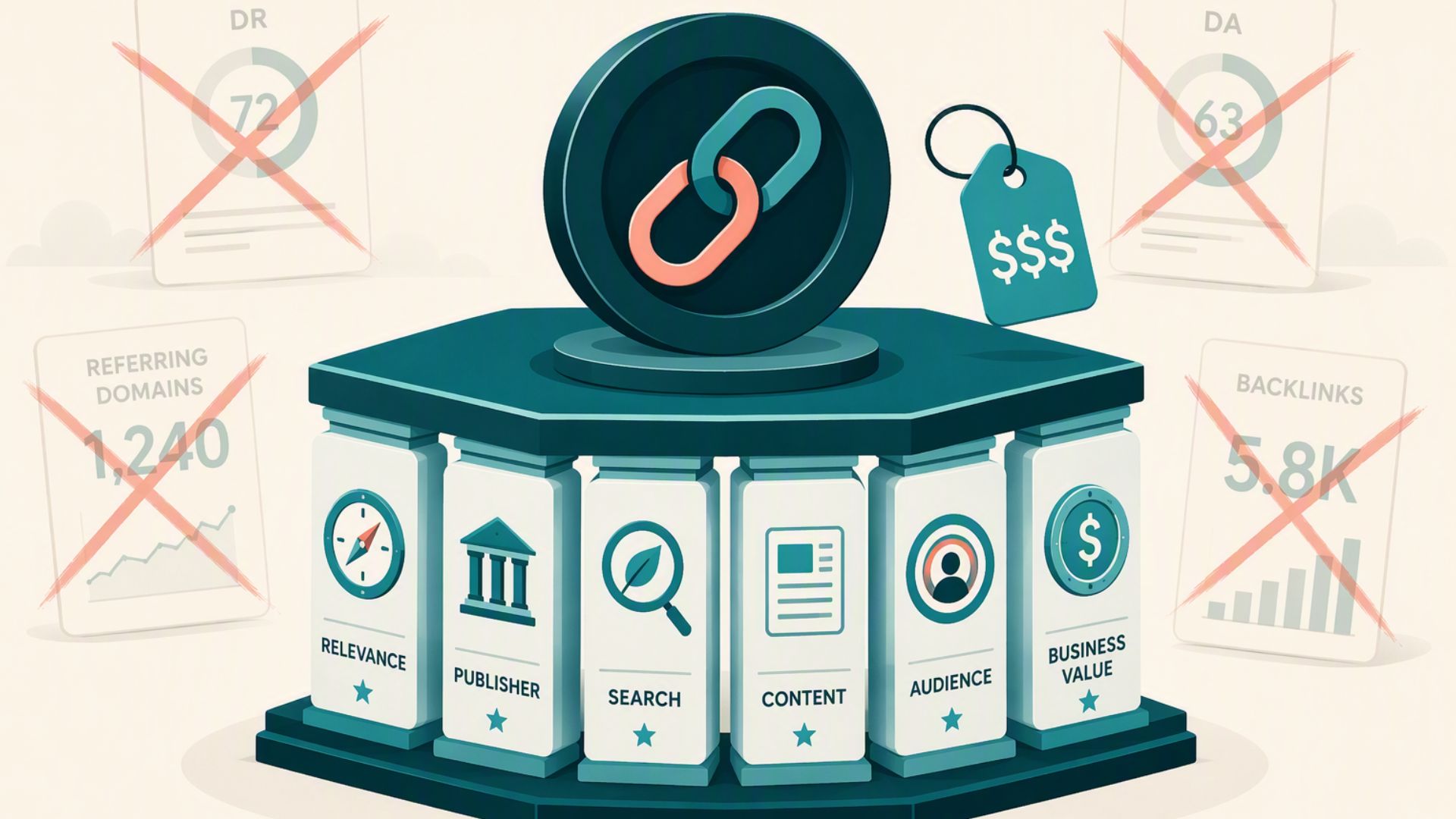
- Prioritize relevance and quality over purely high metrics; a clean domain history is often more valuable than inflated authority scores.
Avoid domains with questionable origins, even if they show strong backlinks or high DA/DR. - Track ROI and begin with smaller purchases to understand market behavior before committing to larger investments.
- Recognize the increased scrutiny of manipulative SEO practices in 2025, and evaluate domains carefully to avoid risky profiles.
- Treat expired domain investing as a speculative activity, not a guaranteed profit model, to maintain realistic expectations and reduce financial risk.
Conclusion
Expired domain flipping is a high-risk, potentially high-reward strategy built around acquiring domains that have lapsed but still hold residual value. While aged backlinks and existing authority can offer advantages, these benefits must be weighed against significant SEO and legal risks. With careful research, proper tools, and rigorous due diligence, investors can navigate the expired-domain marketplace more confidently and avoid costly mistakes, especially when using these domains to develop or support important online assets.