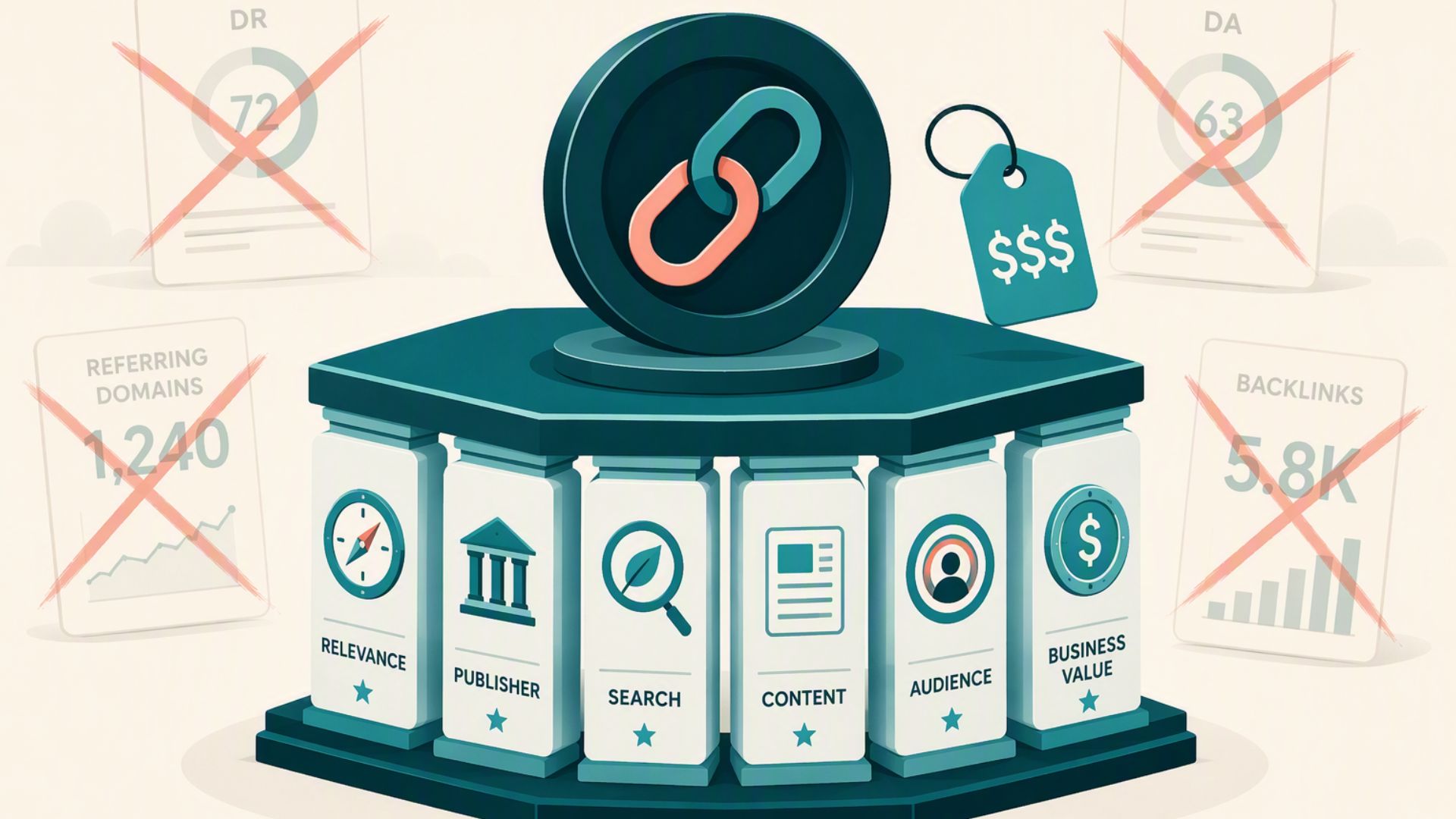

High-authority expired domains can significantly strengthen SEO performance because they often retain valuable backlinks, established trust signals, and historical relevance within a niche. When selected properly, these domains can support new website builds, enhance private projects, or boost authority through strategic redirects.
Instead of focusing on rigid metric thresholds, SEO practitioners typically look for domains that meet a minimum standard of DA/DR appropriate for their specific niche and market size. In broader, competitive industries, higher metrics may be preferable, while in smaller markets or narrow niches, it’s normal to work with domains that have more modest authority levels due to limited availability.
The key is ensuring the domain has a clean history, natural backlinks, and relevance to the intended topic. This article explains how to evaluate expired domains objectively, identify high-quality candidates using reliable tools, and avoid common risks that could weaken SEO results.
What Makes an Expired Domain “High-Authority”?
A high-authority expired domain is one that demonstrates strong historical performance across multiple independent metrics rather than relying on a single score. Moz’s DA can provide a general sense of ranking potential, while Ahrefs’ DR helps indicate the overall strength of a domain’s backlink profile.
Instead of aiming for exact numbers, buyers typically look for domains that meet a reasonable minimum threshold for their niche and market, since smaller industries or geographic regions may offer fewer high-metric domains. Majestic’s TF is also useful for distinguishing genuine authority from manipulated link patterns, helping buyers assess whether past backlinks come from reputable sources.
Beyond these metric-based indicators, a strong expired domain usually has a clean backlink profile with links from relevant, legitimate websites rather than spam networks or harmful directories. It is equally important to review the domain’s history to ensure it has not hosted inappropriate content, malware, or SEO-penalized material. Together, these qualitative and quantitative factors help determine whether a domain has authentic long-term value or poses potential risks, while still allowing buyers in niche or small markets to work within realistic, attainable standards.
Step-by-Step Guide to Finding Expired Domains
1. Use Free Expired Domain Databases
The first step in finding expired domains is exploring platforms that track deletion lists and provide ready-to-purchase inventory. DomRaider focuses on qualifying and drop-catching expired domains, offering them at fixed buy-now prices, which means there is no bidding, no waiting period, and buyers can secure the domain, often within an hour, once payment is completed. This is a major advantage compared to traditional auction platforms like GoDaddy Auctions, where buyers must compete in multi-day bidding processes and risk being outbid at the last moment.
Free tools like ExpiredDomains.net complement this process by allowing users to filter domains by age, backlink profile, DA/DR indicators, and niche relevance to quickly narrow down strong candidates. Paid platforms such as DomCop and Spamzilla add deeper layers of analysis, including spam detection, link-quality scoring, and historical snapshots. By combining DomRaider’s instant buy-now expired domains with these research tools, buyers can efficiently buy expired domains for SEO and leverage their existing authority to accelerate ranking growth.
2. Analyze Metrics with SEO Tools
Once a shortlist is created, the next step is to evaluate each domain using third-party SEO platforms. Tools like Ahrefs and Moz allow users to check DR, DA, linking domain quality, and historical traffic patterns. Reviewing the backlink profile is critical because metrics alone can be misleading; a domain with inflated scores may be supported by low-quality or irrelevant links. Majestic offers additional verification through the Trust Flow and Citation Flow ratio, with stronger domains typically exhibiting a TF/CF ratio of 0.3 or higher.

In addition to backlink strength, the domain’s historical function also matters. Using Archive.org’s Wayback Machine, users can review past versions of the site to confirm whether it previously belonged to a legitimate business, blog, or organization. This step helps uncover any past activities, such as link farming, foreign-language spam, or multi-topic content rotations, which may indicate SEO abuse.
3. Filter for Niche Relevance and Safety
Relevance is an important factor when assessing whether an expired domain can deliver meaningful SEO value. A domain with backlinks from websites within the same industry, such as finance, health, or technology, tends to align better with a new project than one with a scattered or unrelated link pattern. This topical consistency supports stronger authority signals and helps maintain the context that search engines increasingly prioritize.
Safety checks are equally vital. Running the domain through blacklist databases, spam scanners, and Google transparency tools can reveal past malware issues or manual actions. Reviewing historical content and anchor text helps identify low-quality or spammy backlink activity, such as links produced through automated scripts, hacked sites, or abandoned foreign-language networks. Ensuring the domain has a clean and natural link history reduces the risk of inheriting problems and provides a more stable foundation for future SEO work.
Risks and Best Practices
Working with expired domains involves inherent risks, so rigorous due diligence is essential. Problems often arise from domains that contain spam-heavy backlinks, traces of penalized content, or histories of being repurposed repeatedly for manipulative ranking tactics. Conducting a manual backlink audit and performing a Google search using “site:domain.com” helps determine whether the domain is still indexed or has been removed due to violations. After purchasing a domain, users typically choose between rebuilding the former site or implementing a strategic 301 redirect to transfer authority. Using proper canonicalization and maintaining content relevance improves the likelihood that inherited signals will continue to benefit the new project.
Conclusion
High-authority expired domains can accelerate SEO growth when they are selected with care and evaluated using reliable data. By beginning with comprehensive filtering on platforms such as ExpiredDomains.net and verifying metrics through tools like Ahrefs, Moz, and Majestic, users can identify domains with genuine authority and relevance. Careful examination of backlinks, content history, and potential risks ensures that the domain will support long-term SEO performance rather than create new complications. With consistent due diligence and a structured review process, expired domains can provide meaningful and sustainable ranking advantages.