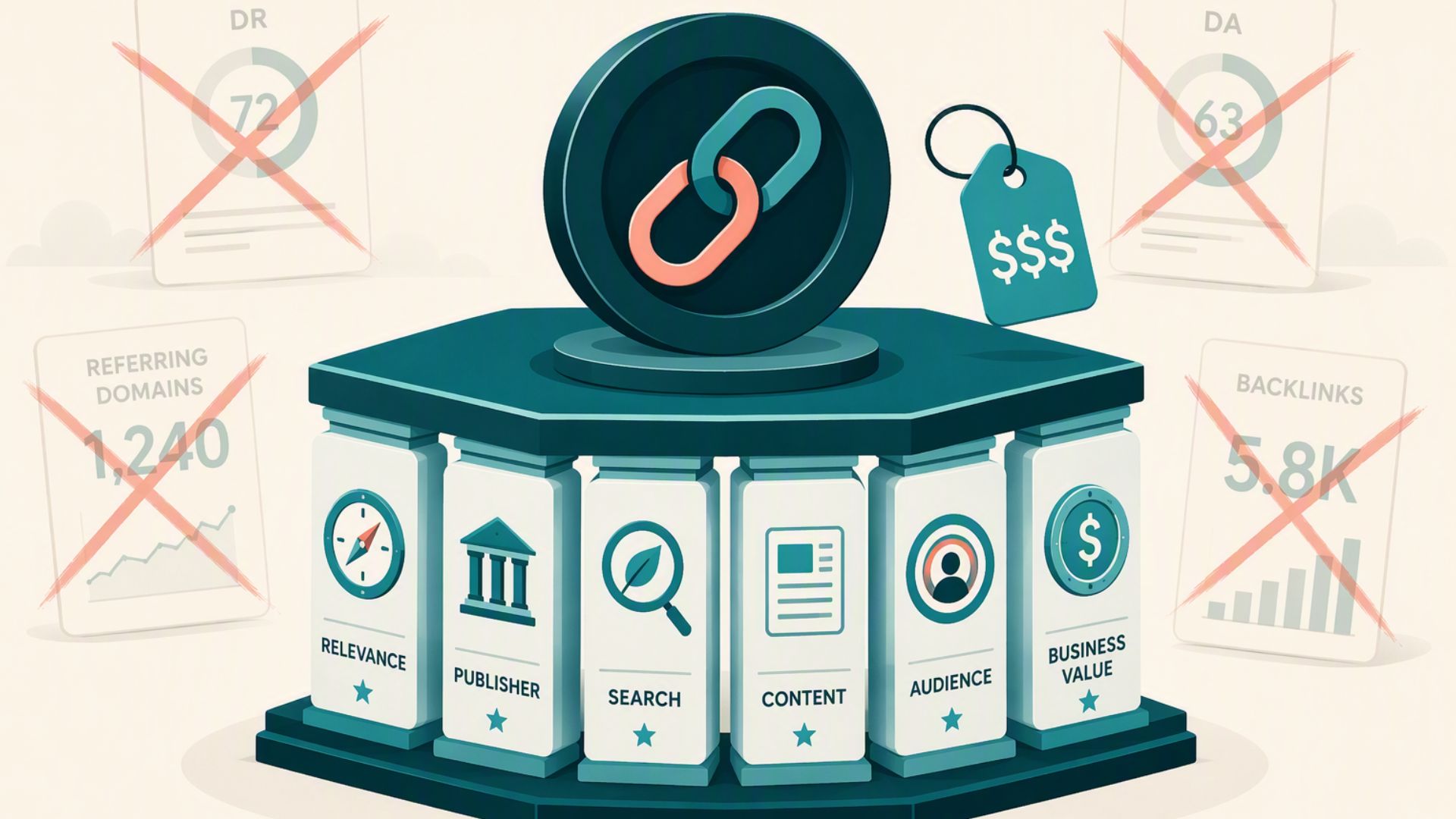
Domain age plays a meaningful role in SEO because it influences trust signals, backlink history, and the likelihood of stable rankings. However, many buyers confuse expired domains with aged domains, often leading to poor investment decisions or exposure to spam-related risks.
Understanding how these two domain types differ, both technically and strategically, helps marketers choose assets that align with their SEO goals and avoid unnecessary penalties. This article explains the core distinctions, benefits, and proper use cases for each domain type.
What Is an Aged Domain?
An aged domain is a domain name that has been registered, continuously owned, and consistently renewed for many years without ever lapsing. Because its WHOIS record shows uninterrupted ownership history, search engines tend to view it as more stable and trustworthy. These domains often accumulate natural backlinks over time from legitimate websites, which contribute to stronger authority and long-term ranking potential.
Aged domains are commonly priced at a premium on private marketplaces and broker platforms due to their clean performance history, predictable metrics, and suitability for long-term brand use. Their lower risk profile makes them appealing for businesses that want a domain with established credibility and minimal likelihood of past misuse.
What Is an Expired Domain?
An expired domain is a previously registered domain that was not renewed by its owner and eventually passed through grace, redemption, and deletion phases. After deletion, it becomes available through drop-catch platforms or marketplaces, such as DomRaider, where investors can purchase expired domains quickly, often at fixed buy-now prices, before they return to general availability.
These domains vary widely in quality. Some expired domains retain valuable backlinks from reputable websites, making them attractive for SEO if properly vetted. Others may carry risk due to past spam, hacked pages, or artificially inflated link profiles. Because expired domains can be acquired at much lower prices than aged domains, they are popular among marketers seeking cost-effective SEO opportunities, provided the domain has a clean and relevant history.
Key Differences: Expired vs Aged Domains
The strongest distinctions between expired and aged domains relate to ownership continuity, reliability, and the level of SEO trust each domain type can offer:
| Factor | Aged Domain | Expired Domain |
| Ownership | Continuous, never lapsed | Interrupted (allowed to expire, then deleted) |
| Risk Level | Low (stable, clean history) | Variable (requires thorough spam audit) |
| Price | Typically premium | Lower cost or auction/registration pricing |
| SEO Trust | High—signals consistency and authenticity | Mixed—depends on previous content and backlink quality |
| Availability | Brokers, marketplaces | Drop-catching services, expired domain platforms |
This comparison highlights that aged domains excel in reliability, while expired domains offer affordability and potentially strong, but less predictable, SEO value.

Benefits of Both Domain Types
Aged domains are generally more stable for long-term SEO because they often carry trustworthy backlinks, an unbroken historical footprint, and consistent brand behavior. Their domain authority and domain rating tend to be higher due to years of organic link acquisition, making them suitable for businesses launching core websites or brand projects.
Meanwhile, expired domains provide opportunities to secure strong SEO assets at significantly lower prices. When niche-relevant and backed by legitimate backlinks, they can offer a quick boost in authority or referral traffic. This makes them appealing for side projects, supporting websites, or experiments where buyers want to reduce upfront cost while still accessing meaningful link equity.
How to Choose: Use Cases for Each
Choosing between an expired and aged domain depends on your project goals and your tolerance for risk.
- Choose an aged domain if you want a stable asset for a long-term brand, a money site, or an authority project where consistency is critical.
- Choose an expired domain if you are building niche sites, experimenting with link equity strategies, or looking for cost-efficient assets, after performing a complete audit.
- Avoid both types if the domain’s history includes spam, harmful backlinks, inappropriate content, or patterns that suggest previous manipulation.
This approach ensures that the domain you invest in aligns with both your SEO goals and your risk threshold.
Tools to Analyze Both Domain Types
Several tools can help evaluate domain history, backlink quality, and potential SEO value:
- Ahrefs / SEMrush for backlink evaluation, DR/DA indicators, and traffic history
- Majestic for Trust Flow and Citation Flow ratios
- Wayback Machine to review historical site content and verify past legitimacy
- SpamZilla / DomCop for spam detection, link filtering, and identifying potential penalties
Using multiple tools provides a clearer and more reliable assessment, helping avoid domains with hidden issues.
Conclusion
Aged domains offer a premium, low-risk shortcut to trust and authority, making them ideal for long-term, high-value projects. Expired domains provide more affordable, high-reward opportunities, though they require careful vetting to avoid inheriting past issues. By understanding the differences between the two and conducting thorough audits, SEO practitioners can make smarter, more profitable domain investments that align with their goals.