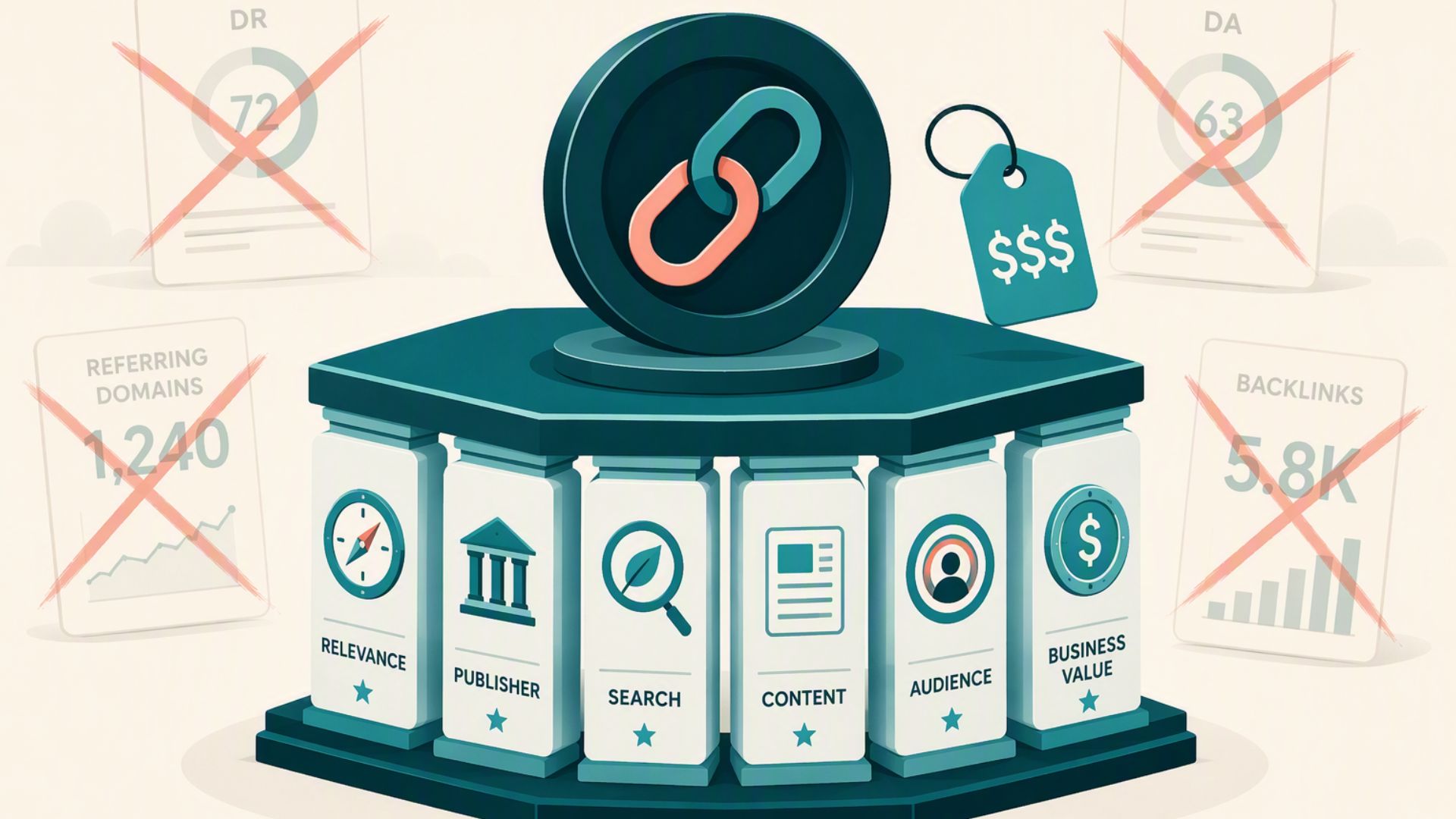
Many website owners and SEOs focus heavily on accumulating large numbers of backlinks, but raw link totals alone rarely determine ranking strength. Search engines evaluate not only the number of links a site receives but also how many separate websites those links come from.
Understanding the difference between referring domains and backlinks helps clarify which signals influence trust, authority, and visibility. This article explains how these two metrics differ, why search engines weigh them differently, and how to incorporate both into a practical SEO strategy that improves long-term performance.
What Are Backlinks?
A backlink is a hyperlink from one website to another. When a page links to your site, that individual link counts as one backlink. A single website can create many backlinks to the same destination. For example, a blog post containing three separate hyperlinks to your homepage produces three backlinks, even though all of them originate from one source. Backlink totals, therefore, measure the volume of individual links pointing toward your pages.
What Are Referring Domains?
Referring domains measure the number of unique websites that link to a given site, making them a key indicator of link diversity and authority. For example, ten backlinks coming from a single website still count as one referring domain, while ten backlinks from ten different websites represent a much stronger signal.
Search engines use this metric to assess how broadly a website is referenced across the web, which often correlates with credibility and relevance within a topic. In general, a higher number of high-quality referring domains suggests organic recognition and can contribute more positively to search visibility than a large volume of links from a small number of sources.
Referring Domains vs Backlinks: Key Differences
Backlinks measure the total number of links pointing to a website, while referring domains count the number of unique websites providing those links. Search engines evaluate both metrics, but link diversity generally carries more weight than sheer volume, as repeated links from the same source tend to deliver diminishing value.
This is why a site with fewer backlinks from many authoritative domains can outperform one with thousands of links from a small number of sites. SEO tools such as Ahrefs and Semrush report both metrics because they reveal different aspects of link strength: backlinks show link volume, while referring domains highlight reach, trust, and topical endorsement across the web.
Number of RD affects directly Domain Rating (Ahrefs metric),which many users consider as a reliable indicator how good the domain`s backlinks are.
Here you can have a look at our selection of High DR Domains.
Which Matters More for SEO?
Major SEO platforms consistently claim a stronger relationship between the number of unique referring domains and higher organic rankings than between rankings and sheer backlink volume. Search engines treat each website as a unique vote of confidence. When many independent sites reference your content, it signals broader trust compared with receiving numerous links from a small group of sources.
High-quality, topically relevant referring domains, therefore, hold more ranking value than large clusters of links from a single publisher. For those aiming to strengthen their authority quickly, some choose to buy expired domains to preserve existing SEO signals and gain an early advantage.
Ideal Backlinks to Referring Domains Ratio
There is no universal ratio that guarantees success, but extremely high backlink-to-referring-domain ratios can appear unnatural. For example, thousands of links from only a few domains may indicate sitewide links, automated placements, or manipulative practices.
Many practitioners aim for a low single-digit average, such as a few backlinks per referring domain, to promote a natural-looking link profile. Ratios should be evaluated alongside link quality and relevance rather than as strict targets.

How Search Engines Evaluate Both Signals
Search engines view backlinks as endorsements, but their value decreases when they come repeatedly from the same source. A hundred links from one domain do not equate to a hundred endorsements in the eyes of an algorithm. By contrast, links from many trusted and independent domains carry greater authority.
High-quality referring domains also deliver more relevant traffic and often reinforce topical expertise. This distribution of links across multiple sources helps search engines determine whether a site has genuine visibility in its field.
Building a Healthy Backlink Profile
A natural and healthy backlink profile contains a variety. This includes a mix of branded and keyword-related anchors, dofollow and nofollow links, and references to different pages across the site. Most importantly, it includes a growing number of unique referring domains over time. Profiles that concentrate too heavily on sitewide footer links, directory submissions, or reciprocal linking often inflate backlink totals without providing meaningful domain diversity.
Practical Ways to Earn More Referring Domains
The most effective way to increase referring domains is through tactics that secure single high-quality links from new websites. Guest contributions, resource page outreach, expert citations, and digital PR campaigns help earn mentions from relevant publishers. Content that provides original value, such as data studies, interactive tools, and comprehensive guides, naturally attracts links because it offers something others want to reference. Each new website that chooses to link adds measurable authority to your backlink profile.
Pros and Cons of Focusing on Each Metric
Backlink Quantity
Backlink totals can strengthen authority when they come from respected sources, but large volumes created by the same small group of sites provide limited incremental value. Excessive numbers from a few domains can also appear manipulative and may produce diminishing returns.
Referring Domains
Growth in unique referring domains provides a strong diversity signal and closely correlates with higher organic traffic. The main challenge is that each new linking site typically requires fresh outreach or notable content, which demands more effort than acquiring repeated links from the same partners.
How to Track and Prioritize in SEO Tools
Platforms such as Ahrefs, Semrush, and Moz allow users to monitor both total backlinks and referring domains. When evaluating competitors or planning link-building campaigns, the referring domain count is usually the more important benchmark.
Backlink totals still matter, but should be interpreted through the lens of where those links originate. As a long-term objective, SEO professionals should prioritize the steady acquisition of unique and relevant referring domains while also maintaining a clean and balanced backlink profile.
Conclusion
Backlinks act as individual votes, but referring domains reveal how many different websites are voting for your content. Because search engines value breadth of endorsement more than repeated links from the same places, referring domains serve as a more powerful ranking signal. Instead of pursuing raw link numbers, successful SEO strategies focus on attracting new, authoritative linking sites while maintaining link quality and relevance. This approach creates a sustainable backlink profile that supports stronger rankings and organic growth over time.