
Domain names feel like permanent digital property because businesses and individuals often build long-term brands around them. Once a website is live and recognized, it is easy to assume the name belongs to the owner indefinitely. This perception is reinforced by years of continuous use and strong brand association.
In reality, domain names operate under a lease-based system governed by registries and managed by registrars. If the lease expires and is not renewed, control over the domain can be lost. This article explains what domain ownership really means, how registration terms work, and the practical steps to keep a domain long-term without losing it.
Domain Ownership vs Domain Registration
When you buy a domain name, you are not purchasing permanent ownership in the traditional sense. You are paying for the exclusive right to use that domain for a specific registration period defined by the registry that controls the extension. Registrars act as intermediaries that manage this registration on your behalf and provide tools for renewal, updates, and transfers. As long as you continue to renew the domain and comply with registry policies, you maintain control. This system allows long-term use but does not confer true ownership.
If renewals stop, that control can be revoked regardless of how long you previously held the domain. Account security also plays a critical role because unauthorized access can lead to unwanted transfers or changes. Domains can be stolen or lost through phishing attacks or compromised accounts, making vigilance essential.
In practice, ownership is conditional on both timely renewal and proper account management. This distinction explains why domains are better described as leased digital assets. Understanding this helps users plan renewals, secure accounts, and avoid unexpected loss of valuable digital property.
Domain Registration Length and Its SEO Impact
Most popular extensions, such as .com, .net, and .org, allow domain registrations for up to 10 years, a limit set by registry rules rather than registrars. Some countries and newer extensions permit shorter terms, depending on their policies. Registrations can usually be renewed before expiration, keeping the domain extended within the allowed window. This system enables long-term use without offering permanent ownership.
Registering a domain for multiple years is mainly a risk management choice, not an SEO strategy. There is no strong evidence that search engines rank sites higher because of longer registration terms. Content quality, backlinks, and user experience drive rankings. Long registrations simply reduce the chance of accidental expiration.
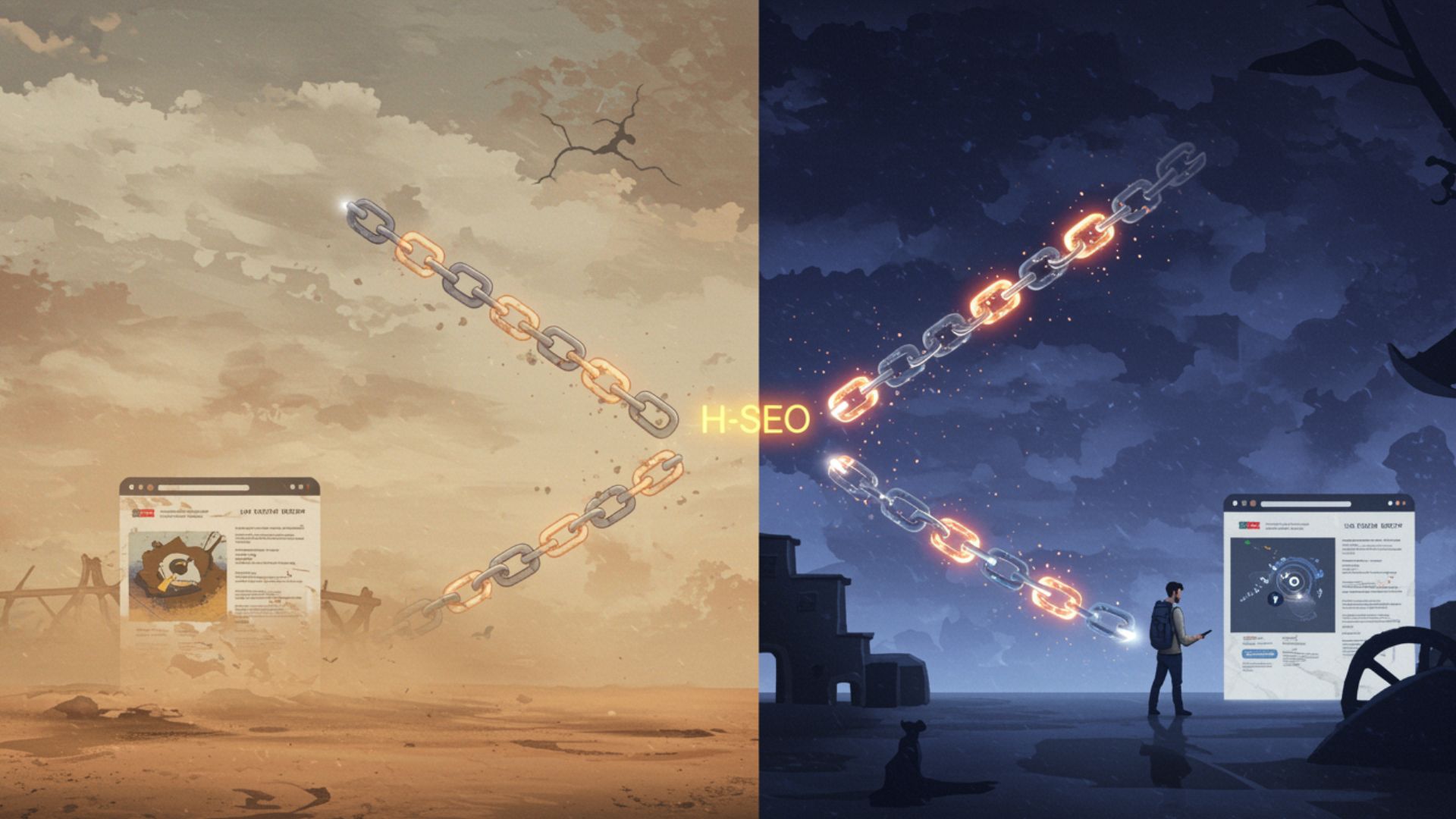
The real SEO risk occurs when a domain is lost due to missed renewal. Expiration can erase backlinks, URLs, and historical trust signals overnight. Organic traffic, email, and brand credibility may suffer immediate damage. Long registration terms and auto-renewal help protect against this kind of loss, rather than directly improving rankings.
What Happens If You Don’t Renew
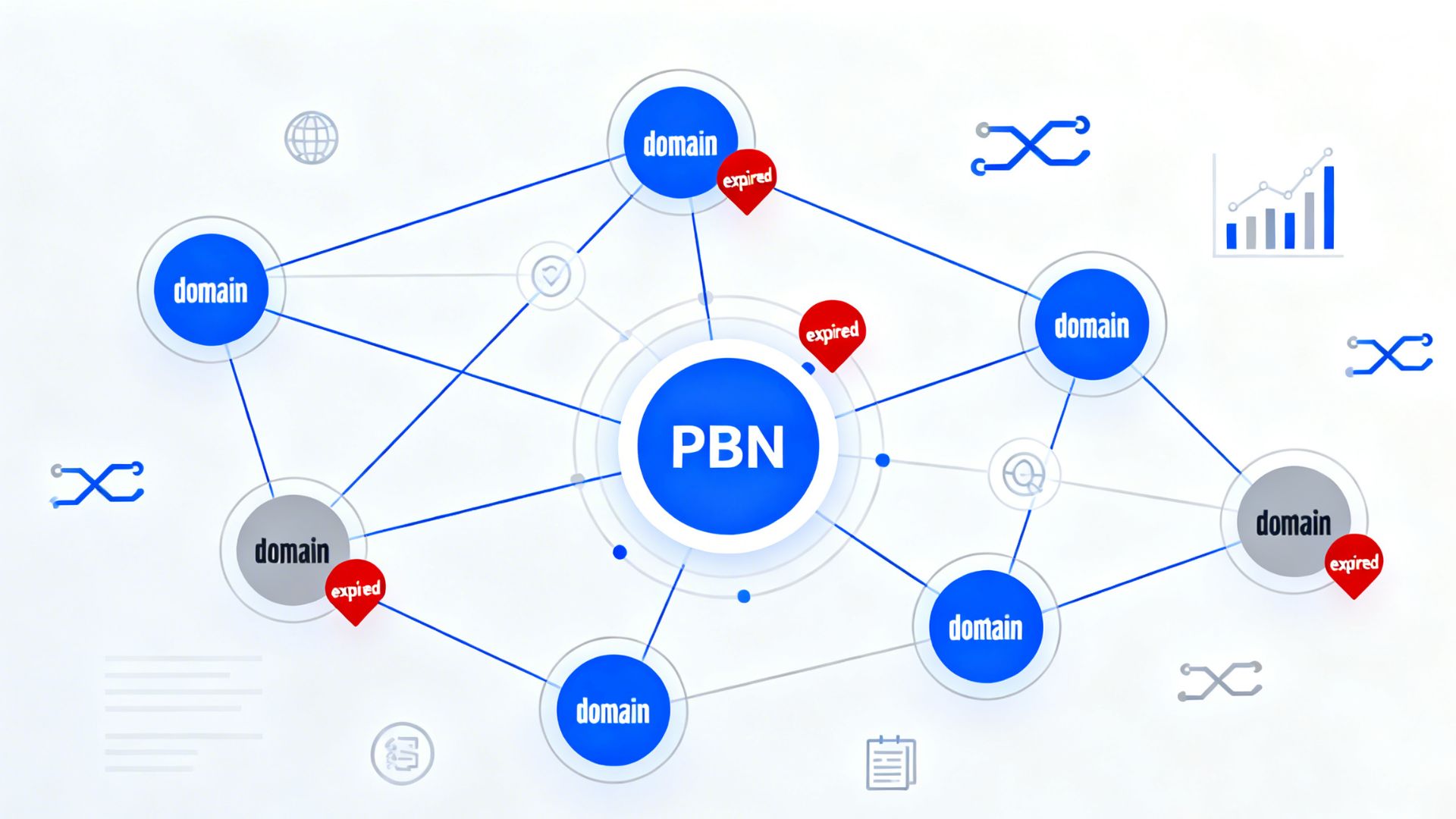
If a domain is not renewed by its expiration date, it does not immediately become available to the public. Most registries follow a lifecycle that includes expiration, a grace period, and sometimes a redemption phase. During these stages, the original registrant may still be able to recover the domain, often with additional fees. If the domain is not reclaimed, it is eventually released back into the pool for others to register, providing opportunities for those looking to buy expired domains strategically.
Losing a domain can be devastating from an SEO and branding perspective. Search rankings tied to that domain can disappear, email addresses may stop working, and customers may lose trust overnight. In some cases, competitors or bad actors may acquire the expired domain and benefit from its residual traffic. Understanding proper DNS management and propagation, as recommended by Google Developers, can help ensure your domain remains accessible and minimize disruptions during expiration or transfers. Recovering from this kind of loss can be costly and may take months or even years.
How to “Keep a Domain Forever” in Practice
The most reliable way to keep a domain indefinitely is to register it for the longest term allowed and renew it consistently. Enabling auto-renewal ensures the registrar attempts renewal automatically before expiration, reducing the risk of missed deadlines. Adding multiple valid payment methods provides an extra safety net if one card expires or fails.
It is also important to keep registrant and administrative contact emails up to date and stable. Renewal notices, security alerts, and transfer confirmations are sent to these addresses. By combining long term registration with automation and accurate contact details, most accidental domain losses can be prevented. Regularly reviewing account settings helps ensure nothing critical is overlooked.
Registry Lock and Other High Security Options
Registry lock is an advanced security feature designed to protect valuable domains from unauthorized changes and is a key measure in preventing domain hijacking. When enabled, critical actions such as transfers, name server changes, or deletions require manual verification through the registry, significantly reducing the risk of losing a domain due to hacking or social engineering attacks. Registry lock is typically offered for major extensions like .com and is often used by large brands and high-value websites.
Some providers also combine registry lock with managed renewal processes, creating an additional layer of protection against missed renewals, depending on the registry and service agreement. While it adds cost and complexity, it can be worthwhile for mission-critical domains. Implementing registry lock alongside strong account security practices ensures maximum protection for domains that are essential to a business or brand.
“Lifetime Domains” and What They Usually Mean
Offers advertising lifetime or forever domains often do not refer to traditional DNS registrations. In many cases, these products are based on alternative naming systems such as blockchain-based domains, including crypto domains, which operate outside the ICANN-governed DNS. They do not integrate the same way with standard browsers, email servers, and hosting platforms, and their functionality can be limited compared to conventional .com or .net domains.
Buyers should carefully review what technology is being sold and how it is supported. Verifying whether the offer is a standard registry-backed domain or a separate naming product is essential, as misunderstanding this distinction can lead to wasted money or unmet expectations. Some “forever” domain services also have hidden fees or renewal requirements, so due diligence is critical before purchase.
Conclusion: You Can’t Buy Forever, But You Can Control Forever
You generally cannot buy a traditional domain permanently because the DNS system is built on time-limited registrations. However, you can keep a domain indefinitely through careful management. Registering for the maximum term, enabling auto-renewal, and maintaining secure accounts greatly reduce the risk of loss.
Additional protections, such as registry loc,k further safeguard valuable domains. Thinking in terms of forever is less about ownership and more about operational discipline. With the right combination of planning, automation, and security, your domain can remain under your control for as long as you need it.