
A domain name is the human-readable address people use to access a website, such as example.com. Beyond basic functionality, domain names play a measurable role in branding, credibility, and search visibility. Short, relevant, and memorable domains are easier to recognize, more likely to earn clicks, and often perceived as more trustworthy by users. Because many desirable names are already registered, domain auctions have emerged as an alternative acquisition method.
This article explains how these marketplaces operate and why they exist, demonstrating how buyers can acquire existing domain names from previous owners, investors, or registrars, rather than registering unused names at standard prices.
What Are Domain Auctions?
Domain auctions are platforms where registered domain names are sold to the highest bidder. These domains may be expired, expiring, or actively listed for sale by individuals or businesses. Auctions typically operate within a fixed time frame, and the final price is determined by bidding activity rather than a preset registration fee.
Unlike standard domain registration, where you claim an available name for a flat cost, domain auctions involve acquiring an existing asset. This means the domain may already have branding history, backlinks, traffic, or market recognition, which can influence both its value and risk profile.
Why Domain Auctions Exist
The primary reason domain auctions exist is scarcity. Most short, brandable, and commercially relevant domain names, especially within popular top-level domains such as .com, were registered years ago. As a result, a secondary market developed to enable the transfer of these assets through auctions, brokered sales, and fixed-price marketplaces.
For buyers, this ecosystem provides access to domain names that are no longer available through standard registration. For sellers, it creates an opportunity to monetize unused or underutilized domains.
In addition to traditional auction platforms, many buyers now turn to marketplaces like Domraider, which focuses on fast, buy-now access to expired domains rather than competitive bidding. These fixed-price platforms simplify acquisition by removing auction timelines, allowing buyers to secure domains immediately while still benefiting from historical value and existing demand signals.
Main Types of Domain Auctions
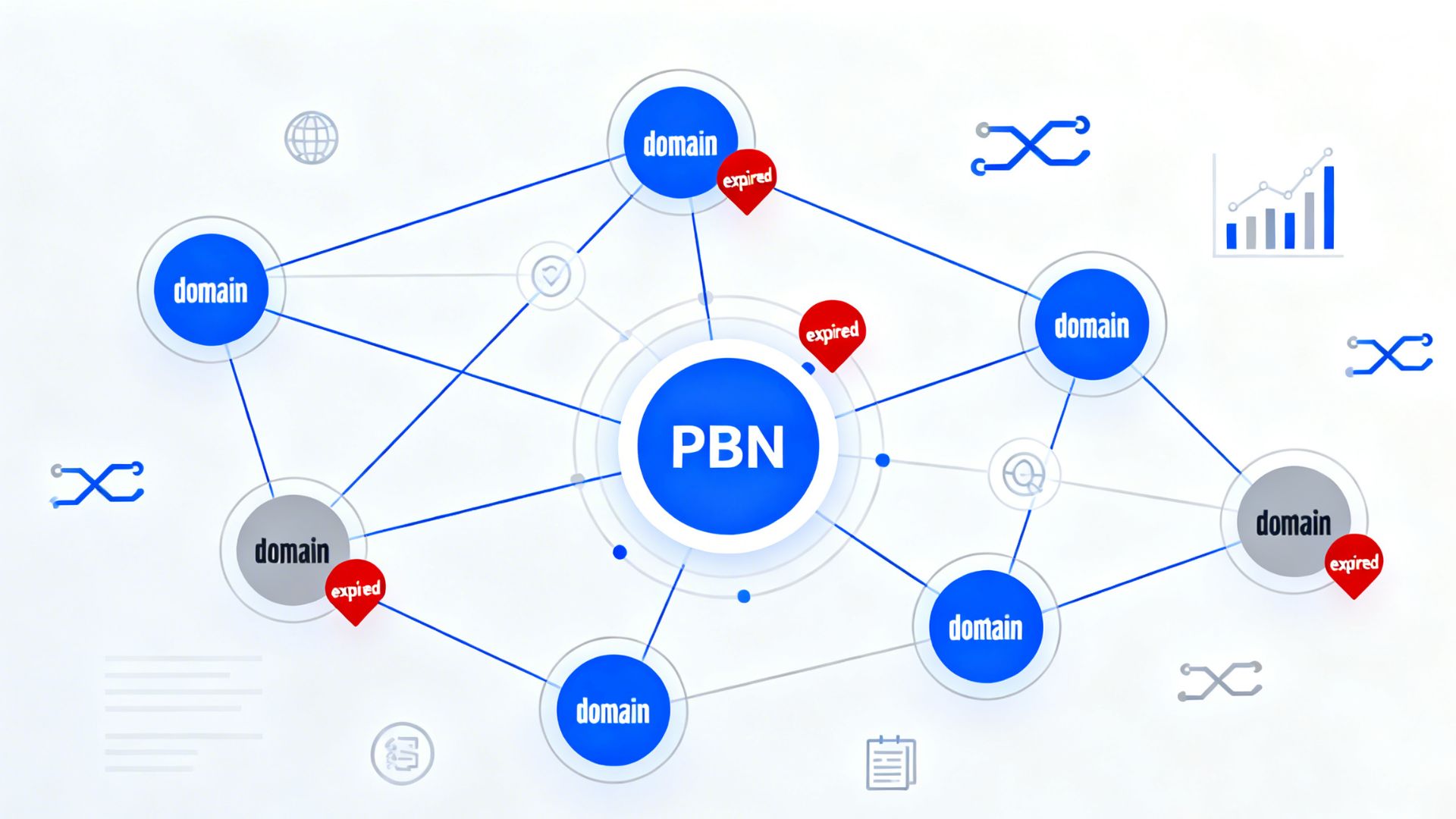
Domain auctions can be categorized into several distinct groups, each based on ownership status and timing. Expired and expiring domain auctions occur when a registrant fails to renew a domain. After expiration, domains usually pass through grace and redemption periods. Depending on the registrar and TLD rules, some domains are listed for sale in domain marketplaces or auctions, while others may be deleted or reclaimed internally.
Backorder or drop-catch auctions allow multiple buyers to place advance orders on a domain scheduled to be released. If more than one party backorders the same name, it enters a private auction among those bidders. Owner-listed or private auctions involve domains intentionally listed for sale by current owners. These may be sold via timed auctions or fixed-price listings, depending on the platform.
How Domain Auctions Work
The auction process begins with account creation on a marketplace. Users can browse listings using filters such as price, TLD, length, or keyword relevance. Each domain listing displays key details, including the starting bid, reserve price (if any), and auction duration.
Bidding often uses a proxy system, where buyers set a maximum amount, and the platform automatically raises bids on their behalf. Once the auction ends, the highest bidder wins and must complete payment within a specified period. After payment clears, the domain is transferred to the buyer’s registrar account or held in escrow until the transfer is finalized.

Popular Domain Auction Platforms
Several established platforms dominate the domain auction market. GoDaddy Auctions, Sedo, NameJet, Dynadot, and similar services offer access to different inventories and auction formats. Some focus heavily on expired domains, while others specialize in investor-owned or premium listings.
When choosing a platform, buyers and sellers should consider transaction fees, domain selection quality, customer support, and how transfers or escrow services are handled. Platform policies can significantly affect both cost and risk.
How to Evaluate a Domain Before Bidding
Before bidding, it is essential to assess whether a domain aligns with your intended use. From a branding perspective, strong domains are typically short, easy to pronounce, and relevant to a specific market or concept. Overly complex or ambiguous names tend to perform poorly over time.
From a technical and SEO standpoint, evaluation should include backlink quality, historical usage, and any signs of search engine penalties. Trademark conflicts should also be checked, as acquiring a domain that infringes on existing brands can lead to legal disputes or forced forfeiture.
What Drives Domain Value and Pricing
Domain pricing is influenced by several core factors. TLD choice, keyword demand, commercial intent, and historical traffic all contribute to perceived value. Domains associated with high-value industries or widely searched terms tend to command higher prices.
Auction dynamics also play a role. Competitive bidding, limited supply, and buyer emotion can push prices well above baseline estimates. As a result, final auction prices may not always reflect long-term resale or business value.
Practical Strategies for Buyers and Sellers
Buyers benefit from setting a strict budget before bidding begins and avoiding emotional escalation during auctions. Proxy bidding can help maintain discipline, while backorders offer a lower-risk entry point for acquiring expiring domains.
Sellers should focus on choosing the right auction format and platform for their domain type. Clear listings, realistic reserve prices, and strategic timing, such as aligning with industry trends, can significantly affect outcomes.
Branding and Trust Benefits of Acquired Domains
When selected carefully, an acquired domain can enhance brand credibility, strengthen user trust, and improve click-through rates from search results and marketing campaigns. While a domain name alone does not guarantee higher search rankings, a relevant and authoritative name can positively influence how users perceive a brand, making them more likely to engage with the site.
For those new to domain acquisition, a practical approach includes choosing a reliable platform, defining clear goals and budget, shortlisting suitable domains, conducting proper due diligence, and managing the transfer process carefully to ensure long-term branding and marketing success.
Conclusion
Domain auctions provide structured access to premium digital assets that are no longer available through standard registration. They enable buyers and sellers to participate in an established resale market where domain names are priced through competition rather than fixed fees.
By understanding how auctions work, evaluating domains objectively, and relying on data rather than impulse, buyers and sellers can reduce risk and maximize long-term value in an increasingly competitive domain market.