
Domain history is one of several contextual signals that Google evaluates when determining a website’s reliability. Search engines do not completely reset a domain when ownership changes. Past use can influence how quickly a site gains trust, how it ranks, and whether it faces delays or filters.
This article explains how age, previous content, backlink activity, penalties, ownership changes, and periods of inactivity shape search performance today. While domain history is not a direct ranking factor, it affects how search engines interpret other signals and how smoothly a site gains visibility.
Understanding Domain History
Domain history refers to the full record of a domain’s lifecycle. This includes previous websites hosted on it, past content themes, backlink patterns, redirects, penalties, and changes in registration or ownership. SEOs typically rely on tools such as the Wayback Machine to review historical snapshots, WHOIS records to trace registration activity, backlink tools to examine link profiles, and spam or blacklist checkers to identify misuse.
Understanding these signals helps determine whether a domain carries helpful authority or risks that could hold back a new project.
How Clean Domain Histories Boost Rankings
Domains that have been consistently active with high-quality, relevant content often enjoy an advantage over newly registered names. A long record of trustworthy use and natural backlink growth can help search engines recognize the domain as stable, which may lead to faster initial indexing and smoother ranking progression. Domains that show minimal ownership churn and continuous renewals also signal reliability, supporting long-term visibility.
Although this trust advantage is not a ranking guarantee, clean and stable histories generally allow new content to gain traction more quickly.
If you want to build on a strong foundation instead of starting from zero, you can explore aged and expired domains via Domraider at https://www.domraider.com, where a wide selection of ready-to-use names can help jump-start your next project.
Expired Domains and Historical SEO Baggage
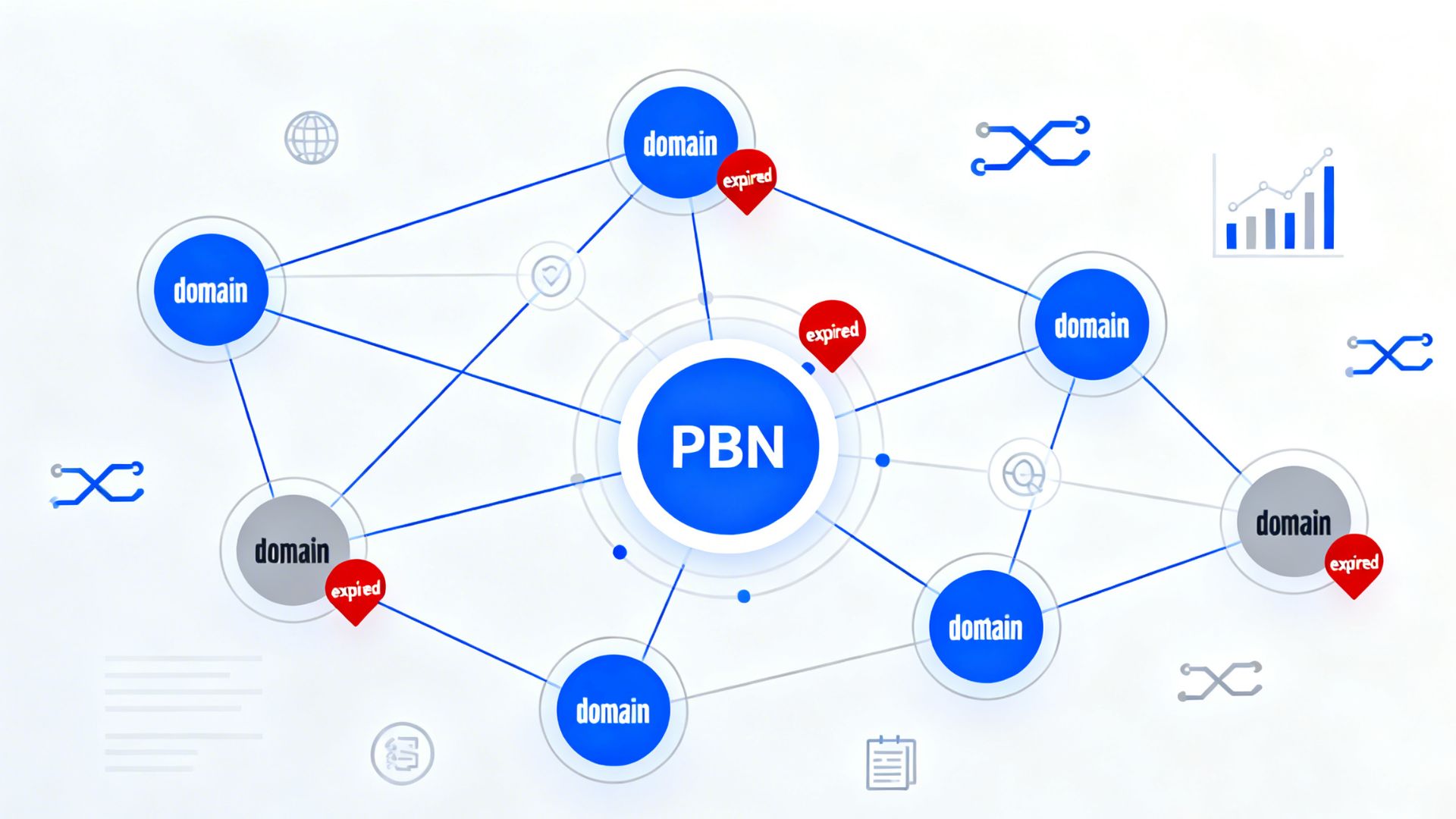
Expired domains often attract buyers because of their age or existing backlinks, but they also carry all historical signals with them. Some expired domains retain valuable link equity and may offer a stronger starting point than a new registration. However, domains that suffered penalties, hosted spam, or attracted irrelevant anchor text patterns may introduce major ranking challenges.
Long gaps of inactivity or multiple drops can cause search engines to treat the domain as if it were new, limiting any supposed advantage of age. For this reason, not all expired domains provide meaningful SEO value.
Domain Changes and Migration Impact
Switching to a new domain usually results in short-term ranking fluctuations while search engines process the change. Even with correct implementation, 301 redirects do not transfer all historical signals perfectly. Search engines evaluate the history of both domains, meaning a clean new domain can reduce risk, while a problematic new domain can extend recovery time.
Successful migrations rely on accurate redirects, consistent internal linking, and stable content so search engines can match old and new URLs while preserving as much equity as possible.
How Google Evaluates Domain History
Google has confirmed that previous misuse can affect a domain’s ability to perform, especially when spam or harmful content contributed to the domain’s reputation. Search engines may apply filters that take time to overcome, even after ownership changes. However, clean, long-term use can gradually rebuild trust. Strong new content, natural backlinks, and disavowing harmful links help mitigate negative history over time.
Domain history does not operate as a direct ranking factor, but it shapes how search engines interpret other signals.

How Negative Domain Histories Hurt SEO
Some domains carry harmful histories that continue to affect performance even after ownership changes. Past involvement in spam, manipulative link schemes, doorway pages, or malicious activity can leave behind manual actions or lingering algorithmic filters. Toxic backlink profiles, sudden spikes in unnatural links, and repeated intervention from search quality systems may suppress a domain’s ability to rank or be indexed efficiently.
Domains that have changed hands frequently, switched topics aggressively, or dropped multiple times may also experience reduced trust because these patterns resemble abusive or low-quality activity.
Practical Checks Before Buying
A careful evaluation can reveal whether a domain is a safe choice. Reviewing archived content helps confirm that the domain hosted legitimate material rather than spam or malware. Checking backlink profiles identifies whether the links are topically relevant, natural, and trustworthy. Spam and blacklist tools can uncover signs of past abuse or malicious activity. It is also important to review ownership changes and redirect patterns to detect suspicious behavior.
Avoid domains with clear spam footprints, irrelevant foreign-language links, or indicators of manual penalties, even if metrics appear strong.
Pros and Cons of Leveraging Domain History
Pros
- Older domains with clean histories and relevant backlinks may gain trust faster and see smoother early growth.
- Consistent branding and long-term stability reinforce user confidence and search engine signals.
Cons
- New owners inherit penalties, filters, or residual distrust.
- Toxic or irrelevant backlinks may require cleanup, and inconsistent past use can slow ranking progress.
Best Practices for Using Domain History in Your Favor
When evaluating a domain for a new project, prioritize clean histories with clear topical relevance. Be prepared to walk away from domains that show signs of spam or manipulation, even if their metrics seem attractive.
For existing sites, maintain branding consistency, renew domains on time, and focus on producing high-quality content supported by natural backlinks. Over time, these practices allow your domain’s history to develop into a long-term asset.
Conclusion
Domain history is not a standalone ranking factor, but it provides crucial context that shapes how search engines interpret a site’s signals. A clean, stable past can support organic growth, while a problematic one can delay or weaken ranking potential. By reviewing historical records, backlink patterns, and ownership changes, site owners and investors can make informed decisions about choosing, migrating, or rehabilitating domains with confidence.