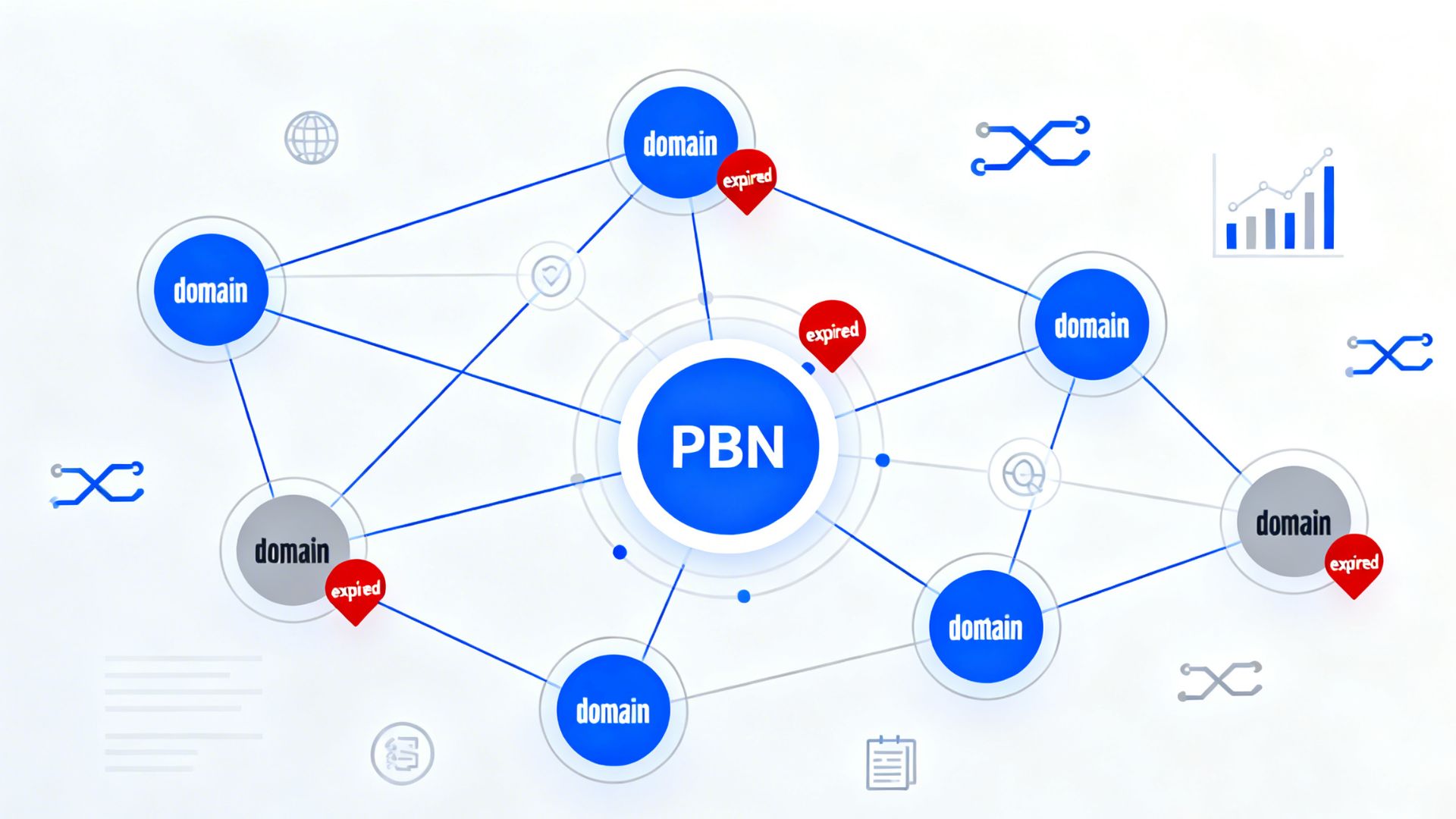

Expired domains can offer significant SEO advantages by carrying existing backlinks, age signals, and historical authority. However, these same domains can also inherit spam, penalties, or manipulative SEO footprints that severely limit their usefulness. A single contaminated domain can harm rankings, waste budget, or introduce long-term recovery challenges.
This guide explains how to systematically spam check expired domains in 2025, using proven tools and clear evaluation steps to help you avoid toxic purchases and focus on domains with genuine SEO value.
Step 1: Initial Quality Filters
The first stage of spam checking focuses on eliminating low-quality domains quickly before deeper analysis. A simple Google index check using the “site:domain.com” operator can reveal whether a domain is indexed at all. A complete absence of indexed pages often signals deindexing, heavy spam, or long-term neglect. While this alone is not definitive, it helps identify domains that require closer scrutiny.
At Domraider, we apply these initial quality filters before domains ever reach our marketplace. We review Trust Flow and Citation Flow ratios to identify balanced link profiles, as extreme imbalances often point to artificial link building. Domain age is also evaluated as contextual evidence rather than a ranking factor. Domains with long histories followed by sudden metric spikes are flagged for deeper inspection, since abrupt changes frequently coincide with spam campaigns.
If you are interested to buy high quality expired domains, you can check out: https://www.domraider.com/
Step 2: Backlink Spam Audit
Backlink analysis is the most critical phase of spam detection. Tools like Ahrefs and Majestic reveal where links originate, how anchors are used, and whether link growth appears natural. Healthy expired domains typically show a diverse backlink profile with links from multiple unique domains, varied anchors, and consistent growth patterns over time.
Warning signs include excessive exact-match anchor text, especially commercial phrases associated with pharmaceuticals, gambling, or financial scams. Concentrated link sources, such as a high percentage of links coming from the same IP ranges or footer sections, can indicate automated link placement. These patterns suggest manipulation rather than earned authority and often trigger algorithmic devaluation.
Step 3: Content Spam Detection Through Archives
Backlink data alone is not sufficient. Reviewing historical content reveals how a domain was actually used. The Wayback Machine allows inspection of archived snapshots to identify keyword stuffing, doorway pages, auto-generated content, or sudden topic shifts. Many spam campaigns leave visible traces, such as foreign-language casino pages or thin affiliate layouts.
Automated tools like Rush Analytics and visual snapshot services can accelerate this process by detecting spam-related keywords or abnormal content patterns across archives. This step is essential for identifying domains that may look clean from a link perspective but were previously used for deceptive purposes.

Step 4: Penalty and Blacklist Verification
Even domains with acceptable backlinks and content histories can be affected by penalties or blacklisting. Security and reputation tools scan domains against known spam and malware databases to detect past abuse. Listings on email or URL blacklists may indicate phishing, malware distribution, or mass spam usage.
Spam scoring systems, such as those offered by Moz or Spamzilla, aggregate multiple risk signals into a single score. While no score should be used in isolation, elevated results warrant deeper investigation. Some buyers also perform test registrations and monitor Google Search Console for signs of manual actions before committing significant resources.
Step 5: Advanced Red Flags and Final Evaluation
At this stage, the focus shifts to patterns that suggest long-term risk rather than isolated issues. Persistent niche mismatches between backlinks and intended use often dilute any inherited authority. Repeated ownership changes, multiple drops, or identical content structures across unrelated domains can point to coordinated manipulation.
A domain that passes this stage typically shows consistent topical relevance, natural link distribution, clean archived content, and no active penalties or blacklist entries. These combined signals indicate that the domain’s history supports sustainable SEO use.
Post-Purchase Spam Cleanup Protocol
Even high-quality expired domains may require cleanup after acquisition. Removing or disavowing toxic backlinks helps prevent inherited issues from affecting performance. Rebuilding the domain with relevant, original content establishes new topical signals, while proper redirects or canonicalization ensure that any retained equity is used correctly.
Ongoing monitoring through Search Console and ranking tools is critical during the first few months. This period allows site owners to detect indexing issues, unexpected drops, or delayed penalties and address them early.
Common Mistakes to Avoid
Many buyers rely solely on metrics without reviewing historical content, overlooking spam hidden in archives. Others ignore anchor text patterns or trust inflated authority scores without verifying link sources. Skipping post-purchase monitoring is another frequent mistake, as some issues only surface after reactivation. Avoiding these traps requires discipline and a consistent evaluation process rather than chasing high metrics or auction hype.
Conclusion
Spam checking expired domains is not optional. It is the foundation of safe and effective domain acquisition. By evaluating backlinks, historical content, penalties, and advanced risk signals in a structured sequence, buyers can separate genuinely valuable domains from toxic liabilities. Expired domains can accelerate SEO growth, but only when their history supports long-term trust. A methodical spam check ensures that inherited authority works in your favor rather than against you.