Domains underpin nearly every online activity, including websites, email, payments, and brand identity. Because they serve as a single point of control, domains are attractive targets for attackers seeking to disrupt or exploit trust.
Weak account security, poor monitoring, or simple administrative errors can expose domains to takeover. Preventing domain hijacking requires ongoing attention rather than a one-time setup. This article explains how domain hijacking works, why it poses serious operational and financial risks, and how domain owners can mitigate their exposure.
What Domain Hijacking Is and Why It Matters
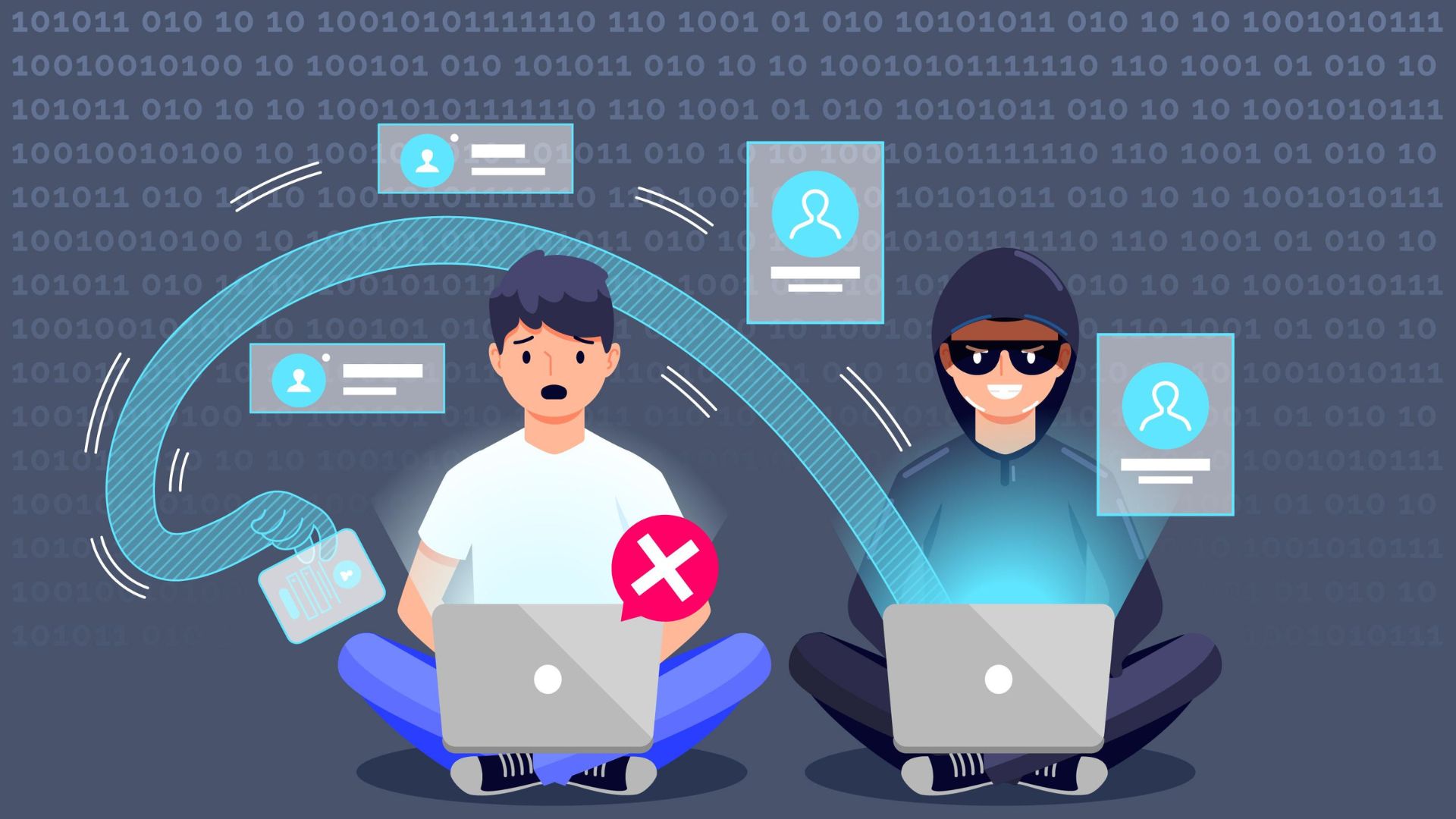
Domain hijacking occurs when an unauthorized party gains control of a domain name or its registrar account. This allows attackers to change name servers, modify DNS records, or transfer the domain. Once hijacked, website traffic can be redirected to malicious pages, and email addresses may be intercepted or used for phishing. Such attacks often result in stolen credentials, financial fraud, or malware distribution.
The business impact can be severe, especially for companies that rely on continuous online availability. E-commerce sites may lose revenue if customers cannot access services, and brand reputation can suffer when users encounter scams. Recovery often involves time-consuming verification with registrars and registries, and in some cases escalates into legal disputes. These risks make prevention far more effective and cost-efficient than trying to regain control afterward.
Secure Registrar Accounts and Admin Email
Registrar accounts are the primary control point for domain ownership and configuration. Strong, unique passwords reduce the risk of credential reuse attacks, while multi-factor authentication adds an extra layer of security to block access even if passwords are compromised. Administrative email accounts also need strong protection, as they receive password resets and transfer approvals. High-value domains, such as aged domains, are particularly attractive targets for attackers, making strong account security essential.
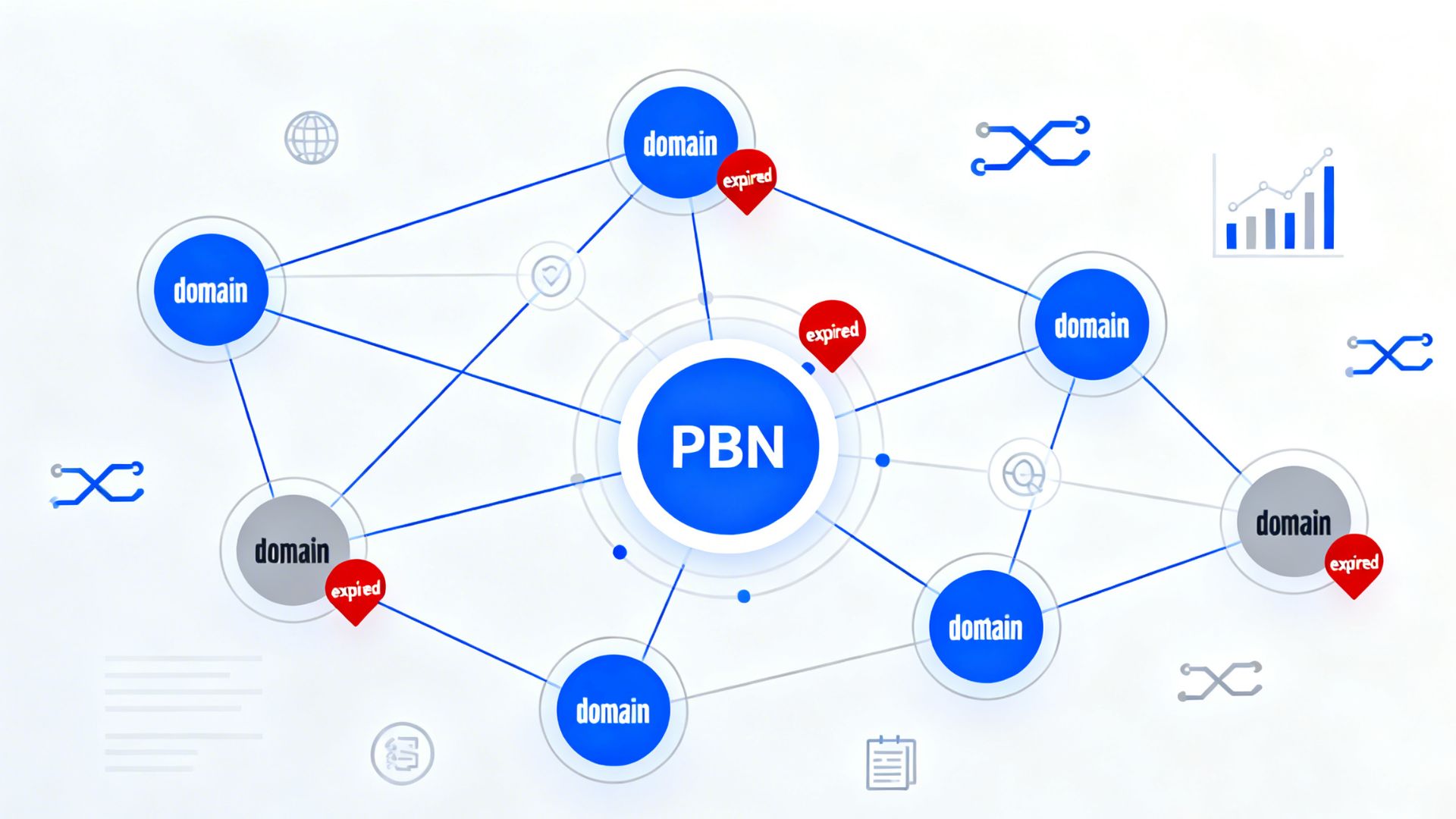
Limiting registrar access to essential staff reduces potential entry points, and permissions should be reviewed regularly to ensure former employees or contractors no longer have access. Centralizing domain management under a small, trusted group improves oversight and accountability. These practices are especially important for PBN domains, since a single compromised account can jeopardize multiple interconnected sites.
Staff should be trained to recognize phishing messages that impersonate registrars or hosting providers. These emails often appear urgent or convincing, aiming to trick users into revealing credentials. Maintaining a strong account security posture significantly reduces the risk of unauthorized control across all domains, including high-value aged domains and PBN networks.
Use Registrar Locks and Registry Locks
Registrar locks prevent unauthorized domain transfers by requiring manual approval from the account holder. When enabled, they block transfer requests even if an attacker gains account access. Although most registrars offer this feature by default, many domain owners do not activate it. Registrar locks are particularly important for domains tied to email services or revenue-generating websites.
Registry locks provide an additional layer of security at the registry level. They require out-of-band verification, such as phone confirmation or signed documentation, before approving critical changes. This extra step significantly reduces the risk of social engineering attacks and silent transfers.
While registry locks may involve extra cost and administrative steps, they are commonly used for high-value domains. Organizations that rely on uptime and brand trust often consider them essential. Together, registrar and registry locks form a strong barrier against unauthorized transfers.

Harden DNS and Enable DNSSEC
DNS controls how users reach websites and email servers, making it a critical part of domain security. Attackers who alter DNS records can redirect traffic without taking control of the domain. Protecting DNS provider accounts with strong authentication prevents unauthorized changes, while role-based access ensures users can only modify records relevant to their responsibilities.
Regularly reviewing DNS logs helps identify suspicious activity early. Implementing DNSSEC, which cryptographically signs DNS records to verify their authenticity, reduces the risk of cache poisoning and man-in-the-middle attacks. You can find detailed guidance on DNSSEC implementation on Google Developers. While it does not prevent all types of hijacking, DNSSEC significantly improves trust in DNS responses.
Protect WHOIS Data and Contact Information
Public WHOIS records can reveal administrative emails and renewal dates, which attackers may use for targeted phishing or impersonation. Using WHOIS privacy or data redaction limits what is visible and reduces these risks, especially for high-profile brands or financial domains.
Even with privacy services, internal contact information must remain accurate and up to date. Registrars use these details to send security alerts, renewal notices, and transfer confirmations. Outdated information can delay response during a hijack or cause accidental domain loss. Regular reviews ensure ownership records are current and simplify verification if disputes arise, balancing privacy with operational accuracy.
Monitor Expiration, Renewals, and Look Alikes
Domain expiration is one of the most common causes of unintended domain loss. Enabling auto-renewal on critical domains reduces the risk of missed payments or administrative errors. Expiration dates should also be tracked centrally rather than relying on individual email reminders. Using reputable registrars with reliable renewal processes further lowers this risk.
Attackers often register look-alike domains that closely resemble legitimate brands. These domains are commonly used for phishing, malware distribution, or traffic diversion. Registering key variations, common misspellings, or taking proactive steps to buy expired domains can help secure valuable assets and strengthen your brand’s online presence.
Monitoring services can alert owners when suspicious domains appear. Early detection allows faster response, such as defensive registration, purchasing expired domains, or takedown requests. Managing expiration and look-alike risks protects both domain availability and brand reputation.
Continuous Monitoring and Incident Readiness
Even strong preventive measures benefit from continuous monitoring and incident preparedness. Uptime monitoring tools can quickly detect outages or unexpected redirects, while DNS monitoring alerts owners to unauthorized changes in records or name servers. Early detection helps prevent minor issues from becoming major incidents.
Organizations should maintain a documented recovery plan for domain incidents. This plan should include registrar and registry contacts, escalation paths, and assigned responsibilities. Keeping recent DNS and WHOIS records simplifies verification and speeds recovery. Regular reviews ensure the plan stays current and effective. Preparedness reduces response time and limits damage if a hijack occurs. Continuous vigilance completes a robust domain protection strategy.
Conclusion: Make Domain Protection Non-Negotiable
Domains are mission-critical assets that support digital identity, communication, and trust. Preventing domain hijacking requires layered defenses covering accounts, transfers, DNS integrity, and monitoring. Securing registrar and email access forms the foundation of this strategy, while registrar and registry locks provide strong safeguards against unauthorized transfers.
DNS hardening and DNSSEC protect users from redirection and manipulation. Maintaining accurate WHOIS data and managing renewals reduces exposure to social engineering and accidental loss. Treating domain security as a non-negotiable priority preserves control and minimizes long-term risk.