
Finding the right domain name can be difficult, especially when the one you want is already registered. Simply waiting for it to expire and hoping to register it before someone else is rarely the best strategy, particularly for a valuable or competitive name. A domain backorder gives you a way to pursue it if it becomes available, using a service designed to act faster than manual registration. However, success is not guaranteed, and understanding how the process works can help you make better decisions and improve your chances against competing buyers.
Understanding Domain Backorder?
A domain backorder is a request to a specialized service to try to acquire a registered domain name if it becomes available. Rather than waiting and attempting to register it manually, you authorize the service to handle the acquisition process it supports.
The service monitors the name and attempts to secure it when the relevant opportunity becomes available. This can be useful for valuable names that may attract competing buyers.
No. A backorder gives the service permission to attempt to acquire the name on your behalf, but it does not reserve it or guarantee ownership.
How Does Domain Backordering Work?
1. A Backorder Is Placed
The provider records your request and begins tracking the name according to its backordering process. Depending on the service, this may involve monitoring an upcoming expiry, a deletion process, or another supported acquisition channel.
2. The Name Moves Toward Release
An expiration date does not automatically make a name available for registration. The current owner may still renew it, and some names may be handled through an expired-domain auction or other registrar-specific process. Only those that continue through the relevant release process become opportunities for drop catching.
3. The Backorder Service Attempts to Acquire It
If the name reaches the point where it is released for registration, the provider’s automated systems attempt to register it as quickly as possible. This is known as domain drop catching, and the service may be competing with other providers trying to acquire the same name.
4. The Final Owner Is Determined
Successfully capturing the name does not always mean it is immediately assigned to a single customer. If multiple people placed backorders through the same service, the provider may send it to an auction. If there is no additional competition under that provider’s rules, the successful customer can receive the registration.
Domain Backorder vs. Expired Domain Auction vs. Drop Catching
These terms are often used interchangeably, but they describe different parts of the acquisition process. Understanding the difference helps you choose the right approach based on where the name is in its lifecycle.
Domain Backorder
A domain backorder is your request for a provider to try to acquire a specific name if it becomes available. The provider handles the monitoring and, when applicable, attempts to secure it on your behalf.
Expired Domain Auction
An expired-domain auction allows buyers to bid on a name after its registration expires but before it necessarily returns to the public registration pool. If the current owner does not renew it, the winning bidder may acquire it through the registrar’s or marketplace’s process.
Domain Drop Catching
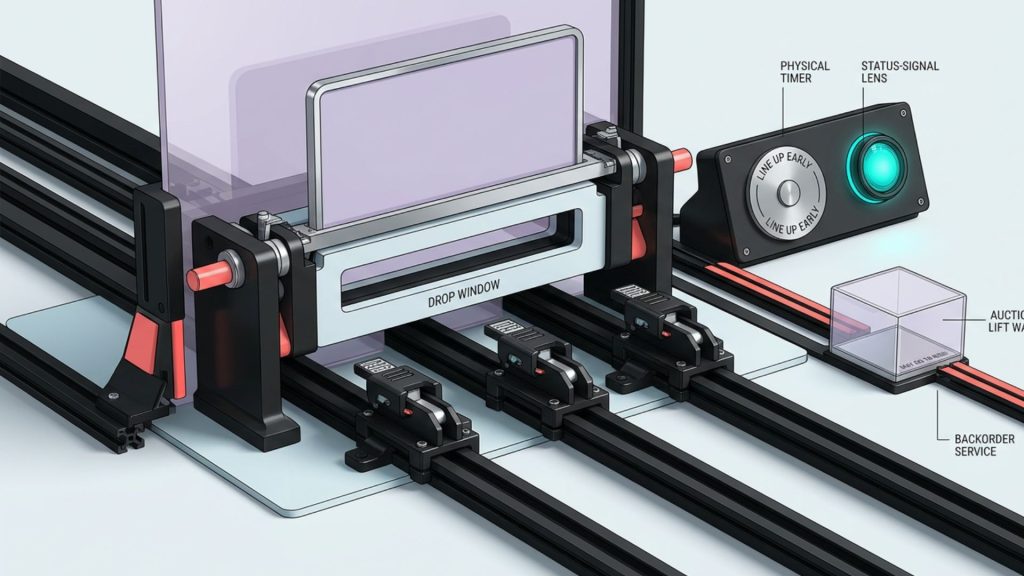
Domain drop catching is the technical process of attempting to register a name immediately after it is released. Backorder providers use automated systems to compete for names that reach this stage.
In simple terms, a backorder is the request, drop catching is the attempt to secure the name, and an expired-domain auction is a separate way to acquire one before it reaches the public drop.
How to Catch a Domain Before Competitors
Placing a backorder is only part of the process. To improve your chances of acquiring a competitive name, you need to understand where it is in its lifecycle and how the provider handles the acquisition.
- Check whether it will actually reach the drop. An expired registration may still be renewed or acquired through an expired-domain auction. Before relying on a backorder, check its current status and determine which acquisition path applies.
- Place your backorder before the provider’s cutoff. Backorder services may have different deadlines, particularly for names approaching release. Waiting until the last minute can mean missing the provider’s backorder window.
- Choose a service that supports your target. Check whether the provider supports the extension you want and understand its drop-catching capabilities, acquisition process, and auction rules.
- Consider multiple services for highly competitive names. No single provider catches every dropping name. Using more than one service may improve your chances, but review their terms first to understand any bidding or payment commitments.
- Be ready for an auction. If several customers backorder the same name through a provider that successfully catches it, the name may be put up for auction. The competition may continue even after the drop.
- Set a maximum budget before you start. Decide what the name is worth before bidding begins. This can help you avoid paying more than its business, branding, or investment value justifies.
How Much Does a Domain Backorder Cost?
The cost of a domain backorder varies by provider and the level of competition for the name. Some services charge a fee only if they successfully acquire it, while others may use the backorder as the starting point for an auction when multiple buyers are interested.
Your total cost may also include the final auction price, registration fees, and future renewal costs. Before placing a backorder, review the provider’s pricing and auction rules so you understand what you may be required to pay if the acquisition succeeds.
What Happens If Someone Else Backorders the Same Domain?
Multiple people can place a backorder for the same name. If the current owner does not renew it and the provider successfully acquires it, the outcome depends on that provider’s rules. In many cases, competing customers are moved into an auction, where the highest bidder gets the registration.
This means placing a backorder first does not automatically guarantee ownership. The service must successfully catch the name, and you may still have to compete with other interested buyers before you can acquire it.
Common Domain Backordering Mistakes
- Assuming the expiration date is the drop date: An expired name may still go through renewal, auction, or deletion stages before it becomes available.
- Thinking a backorder guarantees ownership: The current owner may renew, another service may catch the name, or competing buyers may trigger an auction.
- Ignoring expired-domain auctions: Some names are sold through auction before they reach the public drop, making a standard backorder the wrong acquisition method.
- Waiting until the last minute: Backorder providers may have cutoff times, so placing a request too late could mean missing the opportunity.
- Entering an auction without a maximum budget: competition can quickly drive the price up. Set a limit based on what the name is actually worth to you.
- Not checking the name’s history: If the name has been used before, review its history before acquiring it, especially if you plan to use it for an existing business or website.
Conclusion
A domain backorder can improve your chances of acquiring a name that is currently unavailable, but placing one does not guarantee success. The current owner may renew it, the name may be sold through another process, or competition may continue through an auction.
The best approach is to understand the name’s current status, choose the right acquisition method, and prepare for competition before it becomes available. A well-timed backorder and a clear budget can help you pursue the opportunity without relying on guesswork.