Finding quality domains involves a blend of research, vetting metrics, and the use of specialized tools to ensure domains have clean histories and valuable link profiles before acquisition. In the context of link-building strategies, expired domains can provide a head start because they may carry established trust signals and existing backlinks, giving a theoretically faster route to generating search relevance for target assets.
This article explains how to find domains that can be used in private link networks, often built with expired domains that retain authority and backlinks.
Understanding What Makes a Domain Worthwhile
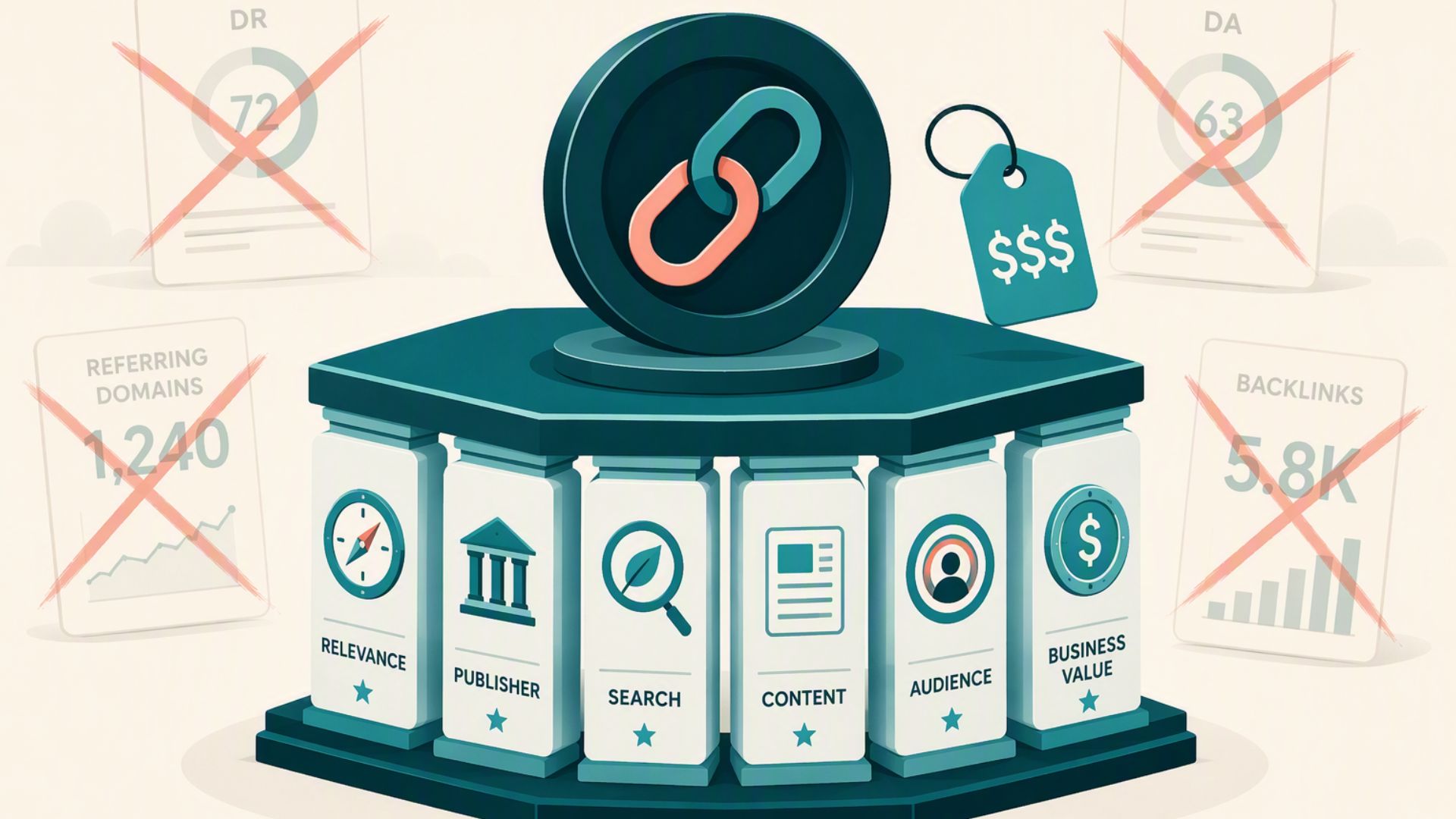
The first step in domain discovery is understanding what makes an expired domain valuable for link-building purposes. Domains that retain high-quality backlinks from trusted sources can continue to influence search performance when integrated carefully into a broader SEO strategy. Many expired domains still carry links from established news outlets, industry blogs, or long-standing forums, which search engines may interpret as ongoing signals of legitimacy and authority. This residual trust can help supported pages gain traction more efficiently than relying on newly registered domains alone.
However, authority alone does not determine usefulness. Relevance and historical context are equally important. Domains that previously published content aligned with a specific niche are more likely to pass contextual signals that support topical relevance. In contrast, domains with unrelated past use or heavily spam-driven link profiles often deliver limited value and may introduce unnecessary risk if repurposed without scrutiny.
To streamline evaluation, many practitioners rely on well-vetted domain marketplaces such as DomRaider, which sells expired domains with verified backlink profiles and documented history. Using trusted sources helps reduce the time spent filtering low-quality domains and allows teams to focus analysis on relevance, link quality, and long-term strategic fit rather than surface-level metrics alone.
How to Vet Expired Domains Before Acquisition
Once you’ve identified potential expired domains, thorough vetting is essential to distinguish valuable opportunities from risky or irrelevant ones. Domains that look strong on paper can still carry hidden toxicity or irrelevant link profiles that diminish their usefulness.
A multi-step evaluation helps ensure that any domain you consider is clean, relevant, and has the potential to contribute value to your broader SEO or link strategy.
1. Check Domain History and Past Content
The historical usage of a domain is one of the most revealing factors in evaluating its quality. Tools like the Wayback Machine allow you to view snapshots of the site over time, showing what content was published and whether the domain was associated with relevant, quality material. A site consistently aligned with your niche signals topical continuity and a higher likelihood that referring links were earned naturally. Conversely, domains previously used for spammy niches such as adult content, gambling, or malware distribution often carry toxic signals that can impact future SEO efforts.
In addition to content themes, examining the consistency of site ownership and purpose can reveal warning signs. Frequent changes in branding, abrupt shifts in topic, or sudden spikes in published URLs may suggest the domain was manipulated to inflate metrics before expiration, a common tactic among less reputable domain sellers.
2. Backlink Profile Analysis
Analyzing the backlink profile of an expired domain is one of the strongest indicators of real SEO value. Using tools like Ahrefs, Majestic, SEMrush, and Moz, you can review key metrics including Domain Rating (DR), Domain Authority (DA), Trust Flow (TF), Citation Flow (CF), and overall link quality. High DA/DR scores generally suggest a strong link profile, but qualitative signals matter just as much as metrics. Domains should have backlinks from relevant, authoritative sources rather than a heavy concentration of low-quality or forum/comment links.
Majestic’s Trust Flow metric, in particular, measures the quality of backlinks and is often used alongside Citation Flow to gauge whether a link profile is balanced. A high Trust Flow relative to Citation Flow typically indicates links from contextual, reputable sites rather than spammy sources. If a domain has hundreds or thousands of links but most come from low-trust sites, it may reflect artificial link acquisition rather than genuine authority.
3. Anchor Text and Link Diversity
Beyond volume and authority, inspecting anchor text and referring domains offers insight into whether links were earned naturally or manipulated. A healthy backlink profile typically contains a diverse mix of anchor types, branded terms, general phrases, and a small amount of keyword-rich anchors. In contrast, unnatural patterns dominated by exact-match commercial keywords can signal past SEO manipulation. Reviewing anchor text distribution helps you avoid domains with artificially engineered link profiles that could raise red flags with search engines.
Likewise, diversity in referring domains matters. A domain with links from many unique, high-quality sources tends to carry more natural authority than one with many links from just a few low-quality sites or foreign pages with minimal relevance.
4. Search Index Status and Penalty Checks
A quick but essential check is the search engine index status. Conducting a site:domain.com search in Google reveals whether the domain’s pages are currently indexed. If no pages appear, it may indicate a prior penalty, deindexation, or a history of low quality that search engines no longer consider relevant. A domain that remains indexed typically retains some visibility and credibility signals that can be leveraged.
You can also use backlink tools to look for patterns indicative of penalties, such as sudden drops in traffic or backlinks over time. Expired domains with consistent visibility and stable link growth are generally safer investment candidates.
5. Relevance to Your Niche and Audience
Even a technically strong domain with high authority metrics can fail to deliver value if its historical niche doesn’t align with your business goals. Domains once used in an unrelated industry, for example, a tech blog repurposed for local services, can confuse search engines and dilute contextual relevance, reducing the effectiveness of any links or redirected signals. Choosing domains historically tied to your topic increases the chance that existing backlinks and residual trust will support your project.
Relevance also supports user trust if the domain is visible to visitors. Users recognizing thematic continuity between past and present content are more likely to engage, whereas a stark mismatch may reduce credibility.
6. Age, Authority Metrics, and Trend Signals
While domain age itself is not a direct ranking factor, search engines focus more on content and link relevance; older domains with a credible history often carry more established trust signals than newly registered ones. Checking metrics such as DA/DR, historical backlink growth, and traffic trends is critical. Tools like Moz, Ahrefs, and SEMrush offer charts that track these signals over time, revealing whether a domain’s authority grew naturally or was artificially boosted before expiring.
A domain with a steady backlink growth curve and consistent authority scores over time typically indicates organic link acquisition and ongoing relevance, whereas sudden spikes with little contextual content can highlight purchased or spammy links.
Practical Tips for Finding Suitable Domains
While domain metrics matter, context is equally important. Focus on domains that historically served real audiences and had relevant content, not just high numbers. Analysis of competitor backlinks can also inform your hunt: exporting lost or broken links from competitor sites and checking if those domains have become available can lead to valuable opportunities that align with your niche.
Additionally, avoid domains with spammy history or toxic backlinks; a domain that looks strong on paper but was used for low-quality or irrelevant content can transfer risk instead of benefit. Looking beyond headline metrics to the actual backlink and content history maximizes the likelihood of a domain that truly adds value when integrated into a broader link strategy.
Conclusion
Finding domains for private link networks or link-building asset strategies involves more than scanning drop lists. Effective discovery includes using specialized tools, vetting domain history and backlink quality, and understanding relevance and authoritative signals.
Historical analysis with the Wayback Machine and backlink audit tools ensures domains are truly worth acquiring. Balancing metrics with context leads to smarter domain selection, which can, in turn, support more effective SEO outcomes when layered into a broader optimization strategy.