

Anchor text is one of the most influential signals used by search engines to understand how linked pages relate to specific topics. In private blog network environments, anchor text influences how link equity and topical relevance are transferred to a target website. However, overly aggressive keyword anchors can quickly attract algorithmic scrutiny, particularly after updates such as Google Penguin that targeted manipulative link patterns.
Modern link-building strategies emphasize anchor diversity rather than keyword repetition. Natural backlink profiles usually contain a large percentage of branded and neutral anchors with smaller portions of keyword variations. This article examines practical anchor text distribution methods that help PBN links maintain a natural appearance while still transferring ranking signals effectively.
Anchor Text Types Breakdown
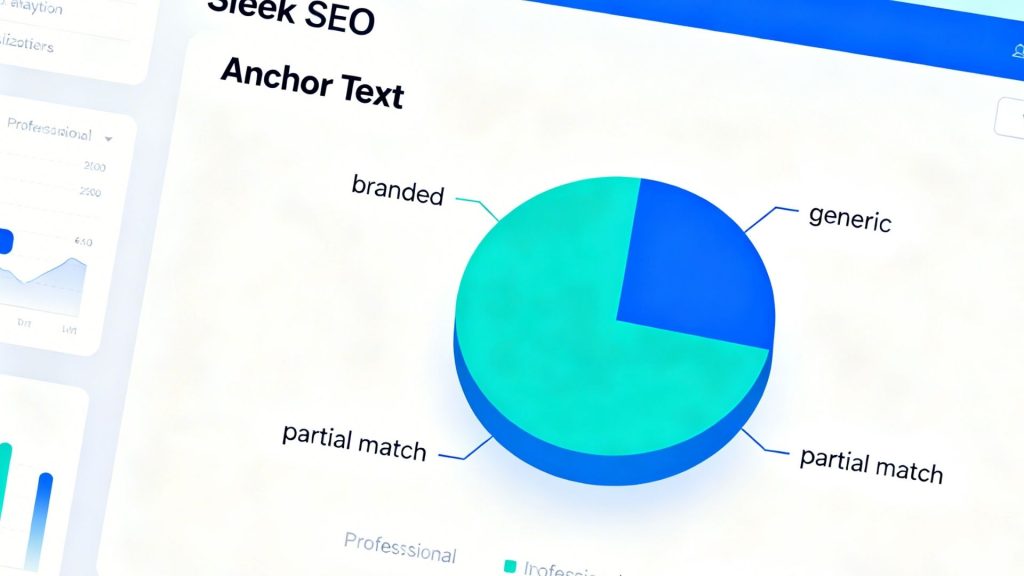
Anchor text typically falls into four primary categories that together form a natural backlink profile. Branded anchors contain the company or website name and are often combined with neutral descriptors such as “review,” “official site,” or “homepage.” These anchors build credibility because they resemble references commonly made by journalists, bloggers, and directory listings. In many organic backlink profiles, branded anchors account for roughly 35 to 45 percent of all links.
Generic anchors represent another large portion of natural backlinks and include phrases such as “click here,” “read more,” or “visit this page.” While they provide little keyword context, they contribute to link diversity and reflect common linking behavior across blogs and resource pages. Partial match anchors contain variations of a target keyword that add contextual relevance without repeating the exact phrase. Exact match anchors use the precise ranking keyword and are usually limited to about 5 to 15 percent of links to reduce over-optimization risk.
Safe Distribution Ratios
Maintaining safe anchor distribution is essential when deploying PBN links. The ratio of anchor types should closely resemble patterns observed in organic backlink data. When links point directly from a PBN site to a target website, a conservative distribution helps minimize algorithmic risk.
For Tier 1 links that connect PBN domains to the main site, many SEO practitioners use a distribution of about 62 percent branded anchors, 25 percent partial match anchors, 10 percent generic anchors, and roughly 3 percent exact match anchors. This structure keeps most anchors in safer categories while allowing limited keyword targeting.
Tier 2 links that point toward PBN domains can use slightly more aggressive ratios. A common distribution includes 45 percent branded anchors, 30 percent partial match anchors, 20 percent generic anchors, and about 5 percent exact match anchors. Across the full backlink profile, exact match anchors are usually kept below roughly 1.2 percent.
Contextual Placement Tactics
Where anchor text appears on a page significantly affects how search engines interpret the link. Contextual links embedded within article content generally carry stronger topical relevance signals than links placed in navigation menus or footers. Because of this, many PBN strategies focus primarily on body content placements.
A common guideline is maintaining roughly three contextual links for every single footer or sidebar link. This ratio mirrors the linking behavior seen in editorial articles where authors reference supporting resources within paragraphs. Contextual links also benefit from surrounding text that reinforces the topic of the linked page.
Image links offer another method for diversifying anchor signals. When an image acts as a link, its alt attribute functions similarly to anchor text. Using descriptive alt text helps communicate page relevance while supporting accessibility guidelines recommended by the World Wide Web Consortium. Limiting image anchors to roughly 10 to 12 percent of links can further diversify a PBN anchor profile.
Niche-Specific Optimization
Different industries naturally produce different anchor text patterns. Local SEO campaigns often benefit from geo-modified anchors that include city or regional identifiers. For example, a service business may receive links that reference both the brand and its location. These anchors help reinforce geographic relevance in search results.
Affiliate websites typically rely on intent-focused anchors that reference product research or comparisons. Instead of repeating product keywords, anchors may refer to buying guides, reviews, or product roundups. This pattern reflects how editorial websites usually link to affiliate content. In SEO-focused projects, some site owners also leverage expired domains for SEO to strengthen topical authority when building supporting content networks.
Large enterprise websites often display a much higher proportion of naked URL anchors. Many corporate backlinks come from press coverage, citations, or resource pages where authors simply paste the website address. In some enterprise link profiles, raw URLs represent up to 40 percent of anchors. Replicating these patterns within PBN strategies can help links appear more consistent with industry norms.
Managing Anchor Velocity and Over-Optimization
Link velocity refers to how quickly new backlinks appear in a website’s profile. Sudden bursts of links using identical or keyword-heavy anchors may trigger suspicion from search algorithms. Maintaining gradual and irregular growth helps links appear more natural. Many PBN operators pace link placements carefully across multiple domains.
A common strategy involves publishing roughly one link from each domain every 35 to 55 days. This spacing prevents unnatural spikes while maintaining steady backlink growth. Anchor selection should also be randomized rather than following a fixed sequence. Drawing anchors from a varied pool reduces predictable patterns across the network.
Regular monitoring is necessary to ensure anchor ratios remain within safe thresholds. Tools such as Ahrefs and Majestic SEO help visualize anchor distributions and topical relevance. Reviewing data in Google Search Console can also reveal crawl issues or unusual backlink spikes before rankings are affected.
Advanced Evasion Techniques
More advanced anchor strategies rely on subtle linguistic variation rather than direct keyword repetition. Synonym rotation is commonly used to replace identical anchors with related phrases that communicate the same meaning. This technique broadens the anchor cloud and reduces obvious keyword patterns.
Another method involves adding slight structural variations to anchors that contain URLs or extended page references. For example, links may include tracking parameters or additional path elements that create variation between otherwise similar anchors. These changes help search engines interpret each link as a unique reference.
Some SEO practitioners also integrate a small percentage of nofollow links within their broader link structure. A modest proportion of nofollow anchors can mirror real editorial linking behavior where websites reference sources without fully endorsing them. Competitor backlink analysis can further guide anchor strategy by revealing the types of anchors commonly used by high-ranking sites in the same niche.
Conclusion
Anchor text remains a critical component of effective PBN link strategies. Balanced ratios that emphasize branded, generic, and partial match anchors create backlink profiles that resemble organic citation patterns. When exact match anchors are used sparingly, they can contribute ranking signals without creating obvious manipulation footprints.
Combining diversified anchors with contextual placement, gradual link velocity, and continuous monitoring helps maintain long term stability. By adapting anchor distributions to niche-specific patterns and regularly evaluating backlink data, PBN operators can maintain natural-looking link profiles while still directing authority toward strategic pages.