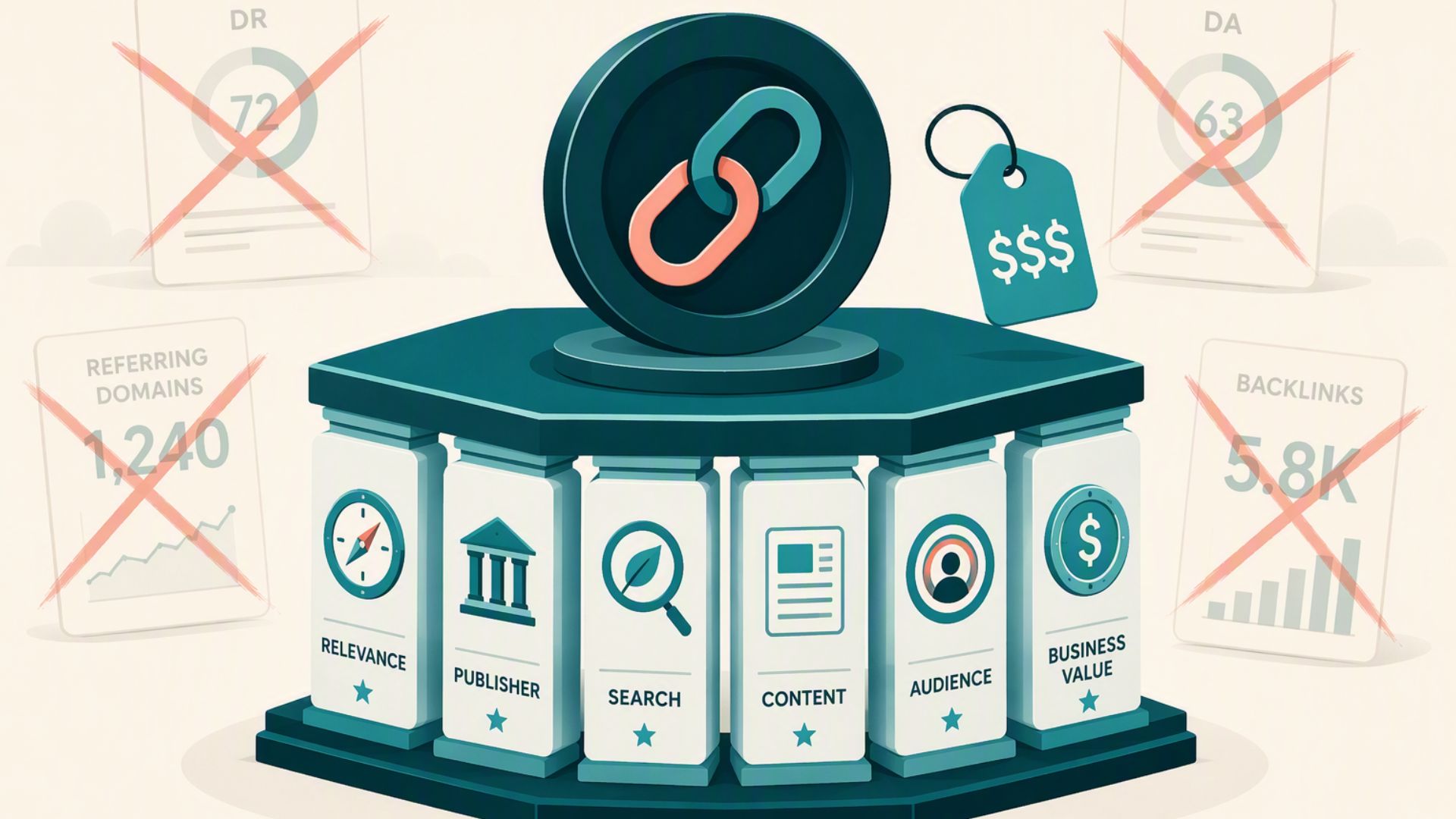

Search engines increasingly prioritize topical authority over relying solely on domain-level metrics such as Domain Authority. Modern algorithms analyze whether a website consistently demonstrates expertise across a defined subject area. Improvements in semantic search and entity-based ranking systems have strengthened this shift, enabling search engines to evaluate how closely content aligns with a topic ecosystem.
Private Blog Networks can reinforce topical signals by rebuilding niche-relevant domains and publishing focused content clusters. This article explains how PBN clusters can strengthen topical authority through niche relevance, structured content, and contextual linking. When domains share historical relevance and are rebuilt with authoritative material, they form a controlled ecosystem that supports a target website.
Why PBNs Excel for Topical Authority
Private Blog Networks can strengthen topical authority by providing precise control over niche relevance. Expired domains often retain historical context from prior content and backlinks, giving them existing entity associations in search engine indexes. Rebuilding these domains within the same niche preserves that contextual relevance, while linking multiple related sites to a central money site reinforces perceived expertise. For faster authority gains, some marketers choose to buy high DA domains to anchor their clusters with established trust signals.
Clusters built around consistent subject matter distribute contextual signals more effectively than scattered links, resembling natural editorial ecosystems where experts reference one another. Search engines evaluate anchor text, surrounding content, and topical relevance to assess authority and determine how well content aligns with a specific subject. PBNs also accelerate authority building compared with organic methods, as content creation and linking structures are developed simultaneously. Carefully designed clusters allow expertise signals to accumulate faster, enabling a target site to establish topical authority efficiently within competitive niches.
Domain Selection for Niche Relevance
Selecting the right domains is crucial for building effective topical clusters. Historical relevance should be assessed before acquisition using tools that archive previous website versions, allowing analysis of past content, categories, and publishing themes. Ideally, at least eighty percent of the historical material should align with the niche being rebuilt to maintain topical continuity.
Backlink profiles require careful review to ensure links come from contextually relevant sites. Links from spam networks, unrelated industries, or automated directories can reduce trust and pass undesirable signals. Evaluating anchor text and referring domains helps detect past manipulative practices.
Metrics like Domain Authority matter less than topical consistency. What counts is whether a domain’s historical content and links match the target niche. Clusters typically use twelve to twenty-five domains per topic, keeping the network focused, manageable, and easier to maintain.
Rebuilding as Authority Assets
Once domains are acquired, rebuilding should focus on creating genuine informational resources. Historical archives can guide restoration of the site’s thematic structure, allowing categories, topics, and article types to be recreated with updated content. This preserves continuity with the domain’s original identity.
Content depth is essential for authority. Rebuilt sites often feature a detailed pillar article covering the main subject, with supporting articles that expand on subtopics and link back to the pillar. Publishing around forty articles in a structured cluster demonstrates consistent expertise rather than thin linking.
Author profiles reinforce credibility by highlighting contributors’ experience and qualifications. Visuals such as charts, diagrams, or original data add value, while outbound links to reputable industry sources show participation in a broader knowledge ecosystem.

Strategic Cluster Interlinking
Internal linking within a PBN cluster controls how authority flows across the network. Content is typically organized into hierarchical layers, with pillar pages serving as the most comprehensive resources on each domain. Supporting articles cover narrower subtopics and link back to the pillars, creating a structured knowledge hub similar to authoritative websites.
Links to the money site should appear within relevant contextual sections rather than standalone references. Embedding links in paragraphs discussing related subjects provides semantic context, making them appear natural to both readers and search engines.
Anchor text diversity is also critical. Networks often use a balanced mix of branded anchors, partial keyword phrases, and semantic variations. Branded anchors make up the majority to resemble organic references, while variations provide context without repetition. This approach ensures topical signals are passed effectively while avoiding unnatural linking patterns.
E-E-A-T Reinforcement Tactics
Search engines increasingly assess Experience, Expertise, Authoritativeness, and Trustworthiness when evaluating content. PBN sites can demonstrate these principles through clear editorial elements. Author pages highlighting professional experience or subject knowledge help establish expertise, while even basic biographical details contribute to credibility.
Regular content updates signal that a site remains active and relevant. Refreshing statistics, adding new research, or expanding explanations improves informational quality. Search engines interpret consistent updates as evidence of current, reliable knowledge.
Additional trust signals include citations, reputable data sources, and brand mentions. Citing recognized publications or research institutions demonstrates that the content is grounded in authority. Unique visuals, such as charts or original data, enhance credibility. Across a PBN cluster, consistent branding and editorial standards strengthen the perception of a legitimate, authoritative network.
Scaling Multi-Niche Authority
After a successful cluster is established in one niche, the strategy can expand into additional verticals. Each niche should have its own group of domains to maintain topical clarity, as mixing unrelated subjects may weaken semantic signals. Separate networks allow each vertical to build specialized authority efficiently.
Scaling requires careful planning of content production and infrastructure. Hosting environments, themes, and publishing schedules should vary across sites to preserve independence. Each domain should appear as a unique publication with its own editorial voice and structure.
Limited cross-cluster linking can strengthen authority when topics overlap, such as related niches like health and fitness, but these links should remain a small portion of the network. Monitoring metrics like topical relevance scores and search impressions helps ensure the cluster continues to grow in subject authority.
Measurement and Optimization
Evaluating the effectiveness of a PBN cluster requires tracking several performance indicators. One key metric is topical relevance, which measures how strongly a site is associated with a particular subject area. SEO platforms often estimate this using keyword distribution and backlink context. Increases in niche keyword rankings suggest that topical signals are strengthening.
Search console data can provide additional insights. Growth in impressions for specific topic queries indicates that search engines recognize the site’s relevance within that subject. Monitoring which pages gain visibility helps identify which cluster structures perform best. This information can guide future content planning.
Testing different cluster arrangements can also improve results. Adjusting internal linking patterns, expanding supporting content, or revising anchor distribution may influence how authority flows. Domains that fail to contribute strong signals can be repurposed or removed. Continuous analysis ensures the network remains optimized for evolving search algorithms.
Conclusion
Private Blog Networks can support topical authority when built around niche-relevant domains and well-structured content clusters. Rebuilding expired sites with high-quality articles, expert profiles, and organized interlinking allows networks to replicate relationships found in real knowledge communities, emphasizing contextual expertise over generic link metrics.
When clusters maintain strong topical alignment and credible editorial signals, they reinforce a money site’s presence within a specific subject area. Continuous monitoring, content updates, and strategic niche expansion sustain long-term performance. With careful planning, PBN clusters can accelerate the process of establishing recognized expertise in competitive search environments.