
Launching a new website can feel like starting from scratch in a crowded digital world. Every fresh domain must earn credibility, attract backlinks, and build trust with search engines over time. Because of this, many marketers, entrepreneurs, and SEO professionals look for shortcuts to gain an early advantage. One option that frequently appears in discussions about search engine optimization is the aged domain.
An aged domain is a domain name that has existed for several years and typically has a history of prior ownership, content, and backlinks. Unlike a brand-new registration, an aged domain may already have authority signals attached to it. This has made aged domains popular among businesses hoping to accelerate website growth, improve visibility, or gain a head start in competitive search rankings. However, the subject is often misunderstood, especially when people confuse aged domains with expired domains or assume age alone guarantees SEO success.
Understanding the Basics of Aged Domains
An aged domain is generally defined as a domain name that has been registered and maintained continuously for several years without lapsing. In many cases, these domains were previously attached to active websites, businesses, blogs, or online stores. Because they have existed for a long time, they may carry historical signals that search engines recognize.
The main appeal of an aged domain is not simply its calendar age. Search engines like Google have repeatedly indicated that age alone is not a direct ranking factor. Instead, the real value often comes from what the domain accumulated during its lifetime, including backlinks, indexed pages, mentions across the web, and a pattern of legitimate activity.
Many businesses and marketers buy aged domains to gain a potential SEO advantage and avoid the slow trust-building phase associated with brand-new websites. These domains are commonly sold through marketplaces, private brokers, and auctions, with prices ranging from modest sums to thousands of dollars, depending on the quality of the backlink profile, niche relevance, brandability, and the domain’s historical reputation.
It is important to remember that not all aged domains are valuable. Some may have a poor history, weak backlinks, or evidence of spam. Others may simply have age without any meaningful authority attached. This is why experienced buyers spend significant time researching a domain before making a purchase.
The Difference Between Aged and Expired Domains
One of the biggest sources of confusion in SEO is the distinction between aged domains and expired domains. While the terms are often used interchangeably, they are technically different. An aged domain is one that has remained continuously registered over time. An expired domain, on the other hand, is a domain whose owner failed to renew it, causing it to lapse before being purchased again.
This distinction matters because a lapse in ownership may affect how search engines interpret the domain’s trust signals. Some SEO professionals believe that expired domains lose part of their historical authority once they drop and become available again. Others argue that strong backlinks and relevant history can still provide value after re-registration. The reality often depends on the specific domain and how it has been used previously.
Expired domains can be attractive because they are often easier to acquire and may still retain backlinks from reputable websites. However, they also carry more risk. Many expired domains were abandoned due to spam penalties, poor business practices, or low-quality content. Buyers who fail to investigate the history carefully may inherit SEO problems rather than benefits.
Aged domains with uninterrupted ownership histories are generally viewed as more stable and trustworthy. Because they have not dropped or reset, they may preserve stronger continuity signals. This is one reason truly aged domains often command higher prices in the marketplace.
Why Aged Domains Matter for SEO
The popularity of aged domains is closely tied to search engine optimization. Many website owners believe these domains can help them rank faster than a newly registered website. While there is debate about how strong the advantage really is, there are several practical reasons aged domains may perform better in certain situations.
One major factor is backlinks. Over time, established websites naturally earn links from blogs, news sites, directories, forums, and other online sources. If these backlinks remain active after the domain changes ownership, they can still contribute authority and referral traffic. Building a similar backlink profile from scratch can take years for a new site.
Another benefit involves trust and indexing history. Older domains may already be recognized by search engines, which can sometimes lead to faster indexing of new content. Some marketers also believe that aged domains can reduce the so-called “sandbox effect,” in which brand-new websites struggle to gain visibility early on. Although Google does not officially confirm a sandbox period, many SEO professionals report that established domains often gain traction more quickly.
Brand perception also plays a role. A domain that has existed for years may appear more credible to visitors, advertisers, and potential partners. In some industries, longevity can create an impression of stability and authority. Even outside SEO, this can make an aged domain an attractive business asset.
The Risks and Misconceptions of Buying Aged Domains
Despite the enthusiasm surrounding aged domains, they are not magical shortcuts to online success. One of the most common misconceptions is that simply buying an older domain guarantees higher rankings. Search engines evaluate websites based on content quality, relevance, user experience, and backlink integrity, not just domain history.
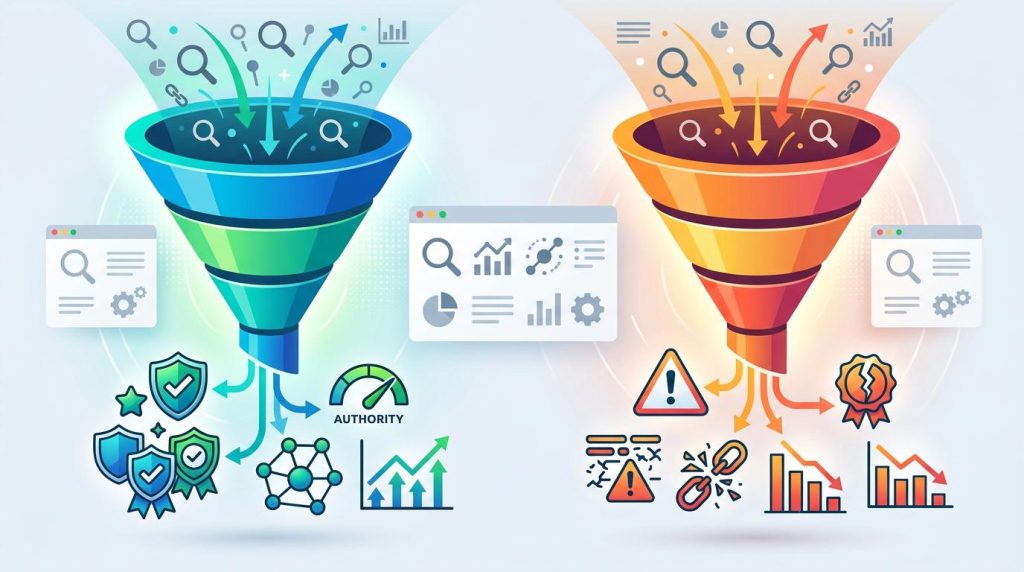
A significant risk involves inherited penalties or spam history. Some domains were previously used for manipulative SEO tactics, low-quality affiliate sites, fake businesses, or hacked content. Even if the domain appears attractive on the surface, hidden issues may continue affecting performance long after ownership changes.
Another issue is backlink decay. Buyers sometimes assume all historical backlinks will remain valuable forever, but many links disappear over time. Websites update old content, remove dead references, or stop linking entirely. This means a domain with impressive metrics today may lose much of its authority later.
There is also the problem of relevance. Aged domains tend to perform best when the new website aligns with the old website’s niche or subject matter. If a domain previously focused on gardening suddenly becomes a cryptocurrency platform, search engines may view the transition as unnatural. Relevance between the old and new content often influences whether historical authority carries over effectively.
How to Evaluate an Aged Domain Properly
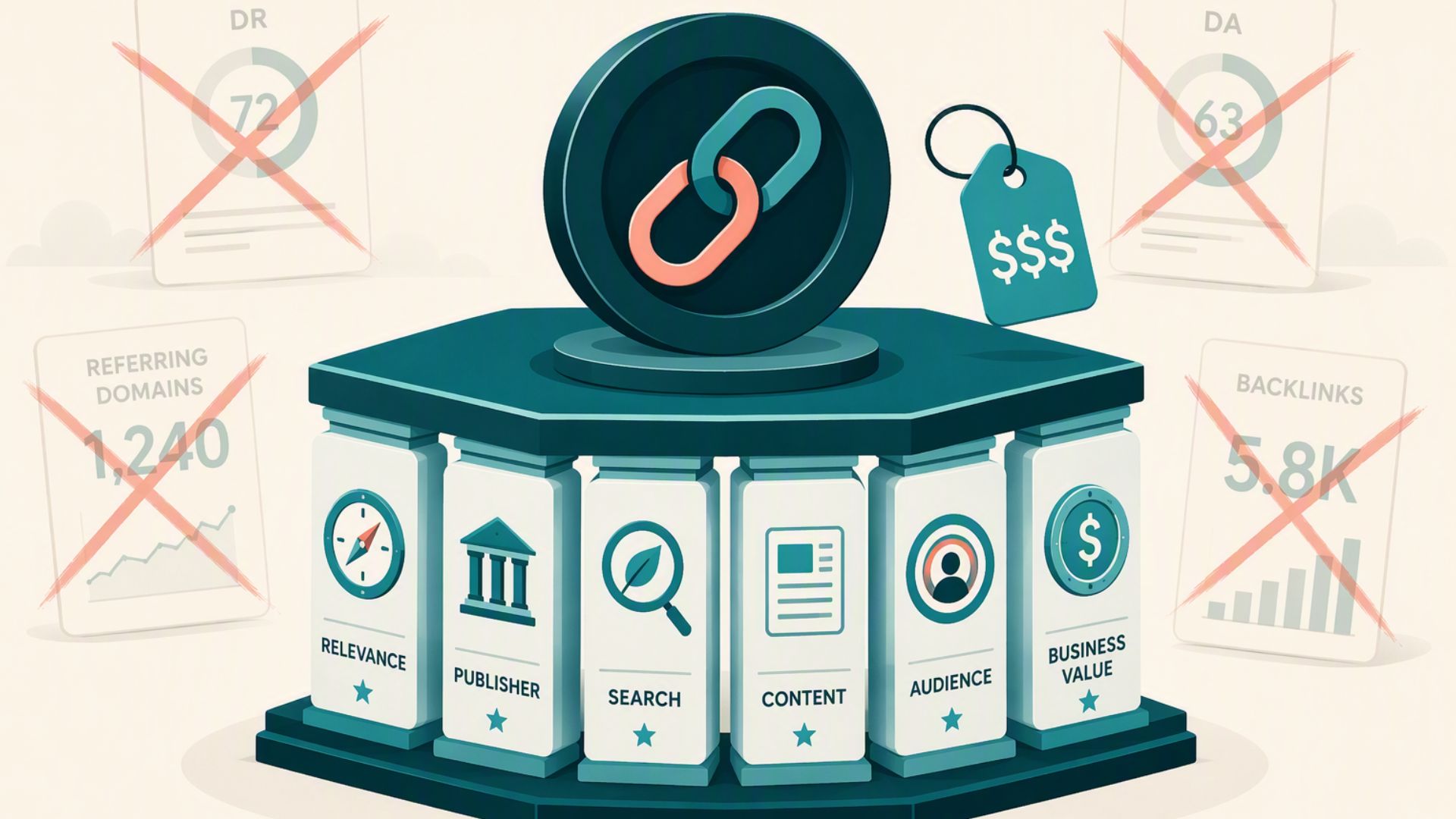
Careful research is essential before purchasing an aged domain. One of the first things buyers examine is the backlink profile. Quality matters far more than quantity. A handful of links from respected, relevant websites is usually more valuable than hundreds of links from spammy sources.
Checking historical content is equally important. Tools such as the Internet Archive’s Wayback Machine allow buyers to see how a website looked in previous years. This helps identify whether the domain hosted legitimate content or was abused for spam, gambling, pharmaceutical promotions, or other questionable activities.
Buyers also review metrics like referring domains, domain authority scores, organic traffic estimates, and indexing status. While third-party SEO metrics are not perfect, they can provide clues about the domain’s overall quality and reputation. Experienced investors usually combine multiple indicators instead of relying on a single score.
Finally, trademark and branding considerations should never be ignored. Purchasing a domain too similar to an established company or trademarked brand can create legal complications. A strong aged domain should not only have SEO potential but also be safe, memorable, and appropriate for long-term business use.
The Long-Term Value of Aged Domains
An aged domain can offer meaningful advantages when chosen carefully and used responsibly. Its real strength lies in accumulated trust, historical backlinks, and established online signals rather than age alone. For businesses entering competitive industries, these advantages can serve as a useful starting point, saving time and effort in the early stages of growth.
Still, aged domains are not substitutes for quality content, strong branding, and ethical SEO practices. A poorly researched purchase can become a liability instead of an asset. The best results usually come when a clean, relevant aged domain is paired with valuable content and a long-term strategy. In the end, an aged domain is best viewed as a foundation that may support success, not a shortcut that guarantees it.