
Aged domains have become valuable assets in search engine optimization, website development, and digital marketing. Many buyers seek them out because they may already possess backlinks, historical authority, and trust signals that can help a website gain visibility more quickly than a brand-new domain. For businesses, affiliate marketers, and niche site builders, the appeal is easy to understand.
However, buying an aged domain without proper research can be a costly mistake. A domain may look impressive on the surface while harboring a history of spam, toxic backlinks, legal risks, or search engine penalties. This is why due diligence is one of the most important steps in the acquisition process. Understanding how to evaluate a domain thoroughly can help buyers identify valuable opportunities while avoiding long-term problems.
Why Due Diligence Matters for Aged Domains
Every domain carries a digital history. When a new owner buys an aged domain, they are not simply purchasing a web address. They are also inheriting years of content history, backlinks, search engine signals, and online reputation. These historical elements can either benefit or harm future projects.
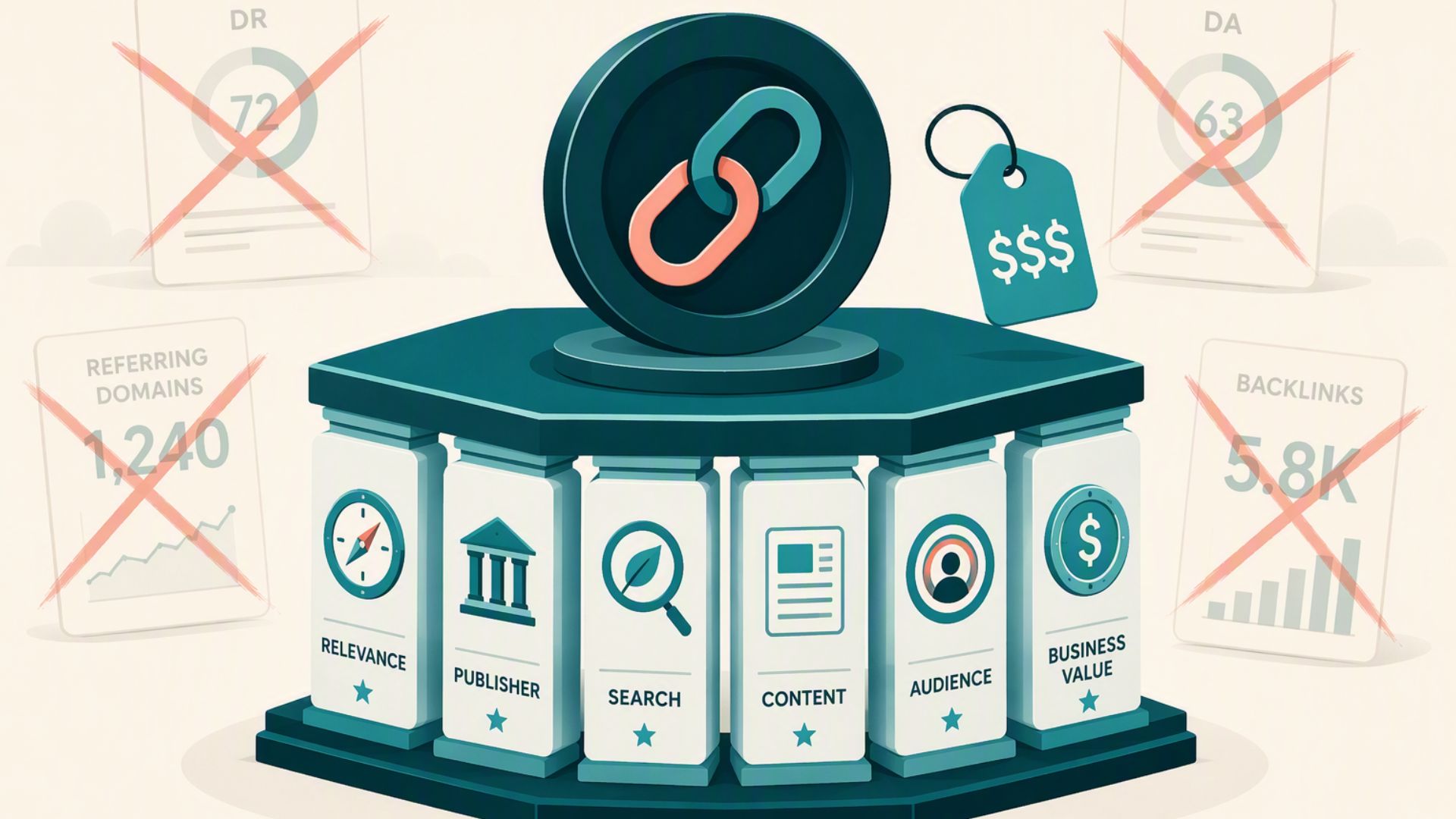
Many people focus on SEO metrics such as Domain Authority or backlink counts when evaluating aged domains. While these numbers can provide useful insights, they rarely tell the full story. A domain may have strong metrics because of manipulative link-building practices rather than genuine authority. Relying only on surface-level statistics often leads to poor investment decisions.
Due diligence helps uncover hidden issues before money changes hands. It allows buyers to identify warning signs such as spam campaigns, excessive ownership changes, trademark conflicts, or previous search engine penalties. These problems can be difficult and expensive to fix after the purchase.
A well-researched domain offers much greater confidence. Instead of gambling on SEO metrics alone, buyers can make decisions based on a complete understanding of the domain’s history, reputation, and long-term potential.
Verifying Domain Age and Ownership History
The first step in due diligence is confirming the actual age of the domain. Many buyers assume that a registration date automatically reflects continuous ownership, but this is not always true. Some domains expire, become available again, and are later re-registered by new owners.
WHOIS records are commonly used to verify domain registration history. By reviewing registration dates and ownership information, buyers can determine whether the domain has remained continuously registered or has experienced interruptions. Domains with uninterrupted histories are often considered less risky because they demonstrate long-term stability.
It is also important to compare registration records with website history. Sometimes a domain appears old on paper but spent years parked without any meaningful content. In such cases, the age itself may offer limited value because the domain did not develop substantial authority during that period.
Ownership changes can also provide useful clues. Frequent transfers between multiple owners over short periods may suggest instability or repeated attempts to resell the domain. A consistent ownership history often indicates a more trustworthy digital asset.
Reviewing Historical Website Content
One of the most critical stages of due diligence involves analyzing the website’s historical content. Understanding what existed on the domain in previous years can reveal whether the site built genuine authority or accumulated problematic baggage.
The Internet Archive’s Wayback Machine is one of the most widely used tools for this process. Archived snapshots allow buyers to view past versions of a website and evaluate how it evolved over time. By examining multiple years of content, it becomes easier to identify patterns and detect warning signs.
Consistency is usually a positive signal. A website that maintained a clear focus for years often demonstrates legitimacy and topical authority. For example, a domain dedicated to home improvement content for a decade presents a stronger historical profile than one that repeatedly changed industries or topics.
Major topic changes should be approached carefully. If a website shifted from health advice to online gambling and later to a cryptocurrency blog, its inconsistent history may indicate manipulation or prior misuse. Such patterns can reduce the trustworthiness of the domain’s authority signals.
Buyers should also look for evidence of spam. Thin content, automatically generated pages, excessive advertisements, and suspicious redirects often indicate poor-quality website practices. A domain associated with these behaviors may carry long-term SEO risks.
Analyzing Backlink Quality and Relevance
For most aged-domain buyers, backlinks are the primary source of value. However, evaluating backlinks requires more than simply counting the number of referring domains. The quality, relevance, and natural appearance of those links matter significantly more.
SEO tools such as Ahrefs, Semrush, and Majestic are commonly used to inspect backlink profiles. These platforms help buyers identify which websites link to the domain and how authoritative those sources appear. Domains with links from respected publications, educational institutions, and industry resources generally hold greater value.
Relevance should always be examined alongside authority. A technology website receiving backlinks from technology publications creates a logical relationship. By contrast, a technology website with hundreds of links from unrelated niches may raise concerns about link manipulation.
Anchor text patterns provide another useful insight. Healthy backlink profiles contain a natural mix of branded terms, generic phrases, and descriptive anchors. Excessive use of keyword-heavy anchor text may signal past SEO schemes designed to manipulate rankings.
Buyers should also verify whether backlinks remain active. Some domains display impressive historical metrics even though many valuable links have disappeared over time. Reviewing live backlinks provides a more accurate picture of the domain’s current strength.

Identifying Spam Signals and SEO Risks
One of the primary goals of due diligence is avoiding domains with toxic histories. Spam-related issues can persist long after ownership changes, making it essential to identify red flags before completing a purchase.
Low-quality backlinks are among the most common warning signs. Large numbers of links from suspicious foreign domains, spam directories, adult websites, gambling networks, or automated blog comments often indicate manipulation. Such links can reduce the value of an aged domain and create additional cleanup work.
Search engine indexing is another useful indicator. Buyers frequently perform a Google search to see whether pages from the domain remain indexed. Indexed pages suggest that Google still recognizes the domain, while complete absence from search results may require closer investigation.
Traffic history can also reveal problems. Sharp declines in visibility sometimes suggest penalties, algorithmic issues, or previous abuse. While traffic fluctuations are normal, dramatic collapses deserve attention before investing money into a domain.
Another overlooked concern involves scam-related reuse. Security researchers and online communities have documented cases where expired domains were repurposed for fraudulent websites. Examining historical snapshots helps buyers ensure that a domain’s past aligns with legitimate business activity.
Checking Legal and Trademark Issues
SEO metrics often receive the most attention during aged domain evaluations, yet legal considerations are equally important. A domain with excellent backlinks can still become a liability if it infringes on existing trademarks.
Many aged domains were previously owned by businesses that developed recognizable brands. Even if the domain becomes available for purchase, trademark protections may remain active. Buyers should therefore conduct searches through trademark databases and search engines before making a decision.
Trademark conflicts can lead to legal disputes, forced domain transfers, or reputational problems. These risks often outweigh any SEO benefits the domain may provide. Taking time to investigate branding issues can prevent expensive complications later.
Brandability should also be evaluated independently of legal concerns. A domain may technically be available yet still feel too closely associated with a previous company. In such situations, building a fresh identity around the domain can become difficult.
Experienced investors generally avoid domains that create uncertainty. A clean, legally safe domain often provides a stronger long-term foundation than a domain carrying potential trademark concerns.
Building Confidence Through Thorough Research
Performing due diligence on aged domains is ultimately about reducing uncertainty. Every domain carries a history, and understanding that history allows buyers to make informed decisions rather than relying on surface-level metrics or marketing claims.
The strongest acquisitions usually combine several positive characteristics. They possess relevant backlinks, consistent content history, stable ownership records, clean indexing status, and no obvious legal concerns. When these elements align, the domain becomes far more valuable as a long-term digital asset.
Due diligence also protects buyers from emotional decision-making. Attractive metrics and competitive auctions can create pressure to act quickly, but careful research often reveals hidden risks that are not immediately visible. Taking time to investigate thoroughly can save both money and future frustration.
Many successful website builders treat due diligence as an essential part of the acquisition process rather than an optional step. The effort invested before a purchase frequently determines whether an aged domain becomes a profitable asset or an expensive mistake.
Turning Research Into Smarter Domain Investments
Aged domains can provide significant advantages when selected carefully, but those benefits only emerge when the domain’s history supports future growth. Performing due diligence allows buyers to evaluate backlinks, historical content, ownership records, spam signals, indexing status, and legal concerns before making a commitment. Rather than chasing age alone, successful investors focus on quality, relevance, and trust. With a disciplined approach to research, aged domains can become valuable foundations for websites that grow steadily and sustainably over time.