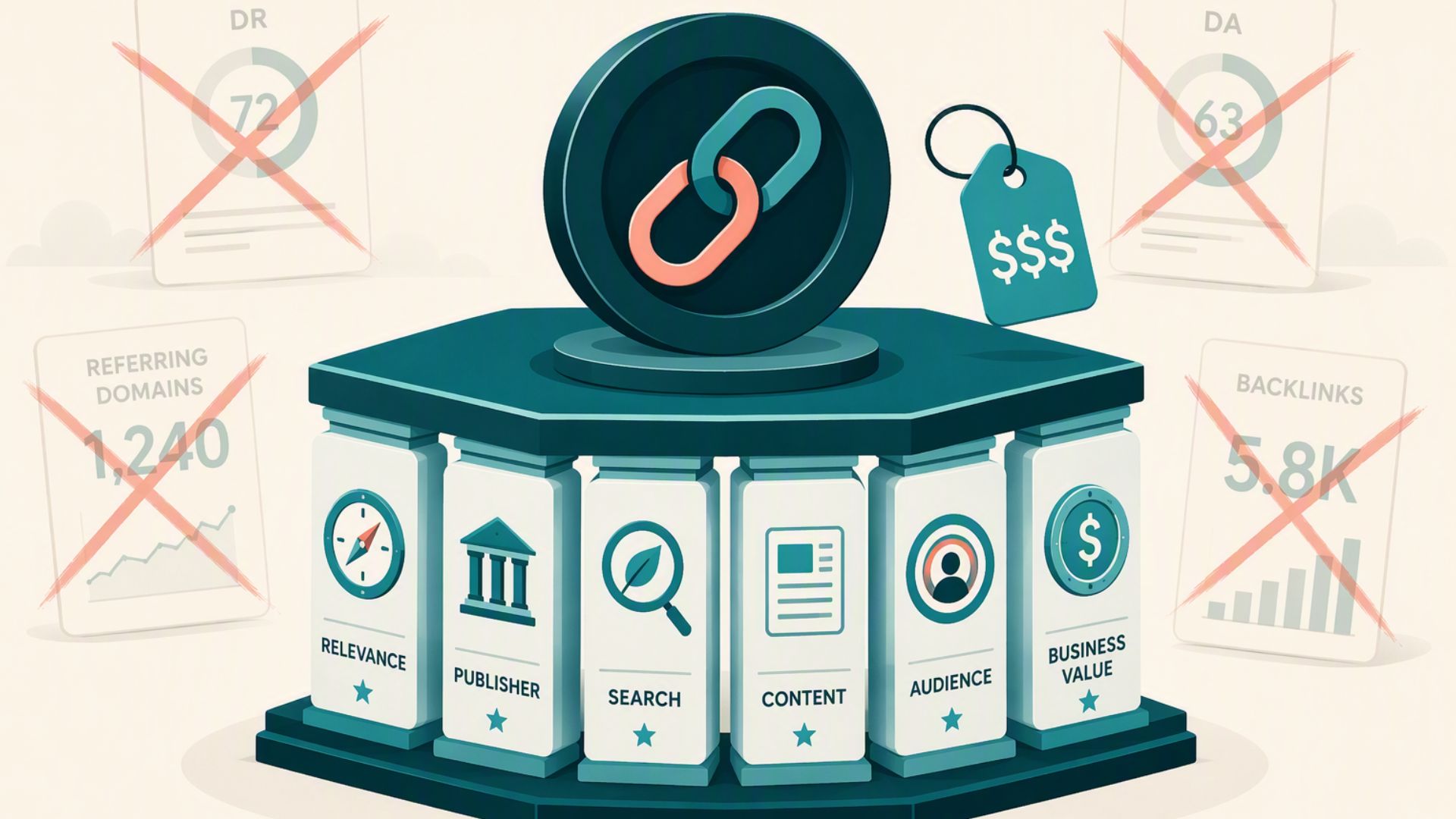

A premium domain can look like a strong resale opportunity, but a high asking price or appraisal doesn’t guarantee another buyer will want it. The real challenge is determining whether the name has enough market demand to justify its price and whether there is a realistic path to finding an end user. A careful evaluation can reveal the domain’s strengths, potential risks, and evidence of market value before you commit money. This guide explains how to assess those factors and decide whether a premium domain makes sense to buy for resale.
What Does “Premium Domain” Mean?
Not every domain described as “premium” has the same meaning. Registries may classify certain names as premium and charge higher registration or renewal fees, while the aftermarket uses the term for already-registered names considered desirable because of their name quality, extension, commercial relevance, or buyer demand.
For resale, the second meaning matters more. The question is not simply whether a registrar or marketplace labels a domain as premium. What matters is whether the name has characteristics that could make another buyer willing to pay more.
Identify the Domain’s Likely End Users
Start by identifying who could realistically use the name. Consider the industries, products, services, or business types that naturally fit the words in the domain. A broad name may have several potential applications, while a highly specific one may appeal to only a small group of businesses. The goal is to identify genuine use cases rather than simply count how many companies might technically match the term.
This matters because resale depends on finding another party with a reason to acquire the name. If the domain solves a clear branding or commercial need for several types of businesses, there may be a wider pool of potential buyers. If its meaning is too narrow or difficult to apply commercially, even a well-constructed name can be harder to resell.
Evaluate the Domain Name’s Quality
Look at the name itself before considering its potential price. Check whether it is short enough to remember, easy to spell and pronounce, and clear when spoken or written. Word combinations should make sense without requiring explanation, while numbers, hyphens, unusual spellings, or awkward phrasing can add friction. A strong name should also be flexible enough to work as a business or product brand, not just for one narrow purpose.
These qualities can affect how easily a future buyer can build a brand around the name. A memorable, straightforward domain gives an end user fewer obstacles to overcome, which can strengthen its appeal in a resale situation. However, no fixed length or naming formula guarantees value. The key question is whether the name is easy to understand, remember, and use for the market it serves.
Assess the Domain Extension
The extension can influence who is likely to consider the name. Check whether the TLD is familiar to the intended market and whether it fits the domain’s purpose, industry, or geographic audience. A country-code extension may make sense for a business serving a specific country, while a generic extension may have broader applications. The key is to assess the extension in context rather than assume one TLD is always more valuable than another.
Comparable sales can provide additional evidence of how the extension performs in the market. Look for transactions involving the same TLD and reasonably similar names, then consider whether those sales reflect the buyer type you are targeting. A desirable name on a less familiar extension may still have resale potential, but the extension can affect the size and characteristics of the market you are selling into.
Evaluate Commercial and Keyword Relevance
Consider what the words in the name communicate and whether they clearly connect to a product, service, industry, or business category. Relevant keywords can make a name more meaningful to potential buyers, particularly when they align with a commercial market. However, search volume alone does not establish resale value. A frequently searched term may have limited value if businesses have little reason to acquire the corresponding name.
The stronger signal is the relationship between the name and a realistic commercial use. Ask whether a business could use it to describe what it sells, establish a brand, or reach a specific market. This helps separate genuine buyer demand from keyword popularity and prevents search metrics from becoming the sole basis for a valuation.
Research Comparable Domain Sales
Look for completed sales of domains that closely resemble the one being evaluated. Compare factors such as the TLD, length, word structure, industry or keyword category, and sale date. The closer the comparison, the more useful the transaction is as a reference. Sales databases can help identify patterns, but don’t use a single high-value sale to justify a price just because the names share one keyword.
Pay particular attention to the difference between completed sales and asking prices. A domain listed for $20,000 only shows what the seller wants, not what a buyer has agreed to pay. Reviewing several relevant transactions gives a more grounded view of the market and can help establish a reasonable value range before deciding whether the current acquisition price makes sense.

Review Existing Domain History When Applicable
If the name has been registered or used before, check what was associated with it. Review its previous website, historical use, backlink profile, traffic claims, and any reputation it may have developed. This is especially important for expired or previously developed domains, where the history can reveal issues not apparent from the name itself. Domain age alone should not be treated as evidence of value.
The goal is to determine whether the previous use strengthens or weakens the resale case. A clean history may ease potential buyers’ concerns, while spam, misleading content, or an association with a previous business could make the name harder to sell. If the domain was previously used for SEO, review its history carefully rather than assuming an older domain automatically provides a search advantage.
Screen for Trademark and Legal Risk
Before acquiring a name, check whether it closely matches an existing trademark, company name, or established brand. Pay particular attention to terms that are strongly associated with a specific business rather than common words or broadly used industry terms. A domain can appear commercially attractive but become difficult to resell if potential buyers see a significant risk of trademark disputes or other legal complications.
This check does not determine whether a domain is legally safe to buy or sell. It is a preliminary risk screen that can help identify names that require closer review. For higher-value acquisitions or uncertain cases, professional legal advice is appropriate, especially because trademark owners can use the Uniform Domain-Name Dispute-Resolution Policy (UDRP) to challenge certain domain registrations.
Compare the Evidence With the Asking Price
After reviewing the name, extension, commercial relevance, comparable sales, history, and potential risks, compare those findings with the seller’s asking price. A strong name does not automatically justify a high price. Assess whether the available market evidence supports the requested amount and whether the domain’s potential buyer pool is large enough to make that price reasonable.
Also account for costs beyond the initial purchase, including renewal fees and any marketplace or brokerage fees that may apply when selling it later. The objective is not to predict an exact resale price, but to decide whether the evidence supports the acquisition at the current price. If the asking price depends mainly on an optimistic appraisal or an unrelated high-value sale, the domain may warrant further negotiation or a lower acquisition limit.
Set a Maximum Acquisition Price
Before buying a premium domain, decide how much you are prepared to pay based on the evidence you have gathered. Consider the comparable sales, likely buyer demand, the name’s commercial potential, renewal costs, and any marketplace or brokerage fees that could reduce the eventual proceeds. The goal is to set a price that allows for a realistic resale rather than paying based on the seller’s expectations.
Keep that limit separate from an estimated resale price. A valuation can provide a useful reference, but the eventual sale may take time and may require negotiation. Setting a maximum acquisition price before committing funds helps prevent an attractive name or a high seller valuation from influencing the purchase beyond what the available market evidence supports.
Common Mistakes When Evaluating a Domain for Resale
Avoid these common mistakes when assessing a potential resale opportunity:
- Relying on a single appraisal: An automated estimate is useful as a reference, but it should not be the only evidence supporting a purchase.
- Using asking prices as comparable sales: A listed price reflects what a seller wants, not what a buyer has actually paid.
- Choosing weak comparable domains: A shared keyword does not make two domains comparable. Consider the TLD, length, structure, market, and sale date.
- Confusing search volume with buyer demand: A frequently searched term does not automatically mean businesses will pay for the corresponding name.
- Assuming age creates value: An older registration does not automatically make a domain more desirable.
- Ignoring the extension: The TLD can affect the markets and buyers the name is relevant to.
- Overlooking legal risks: Trademark conflicts or strong associations with an existing brand can reduce resale potential.
- Ignoring ongoing costs: Renewal fees and selling costs can affect whether the acquisition makes financial sense.
- Buying based on personal preference: A name that sounds valuable to one person may have little appeal to its actual target market.
- Paying based on potential alone: A promising name still needs market evidence to support the price being paid.
Conclusion
A premium domain is not automatically a strong resale opportunity because of its label, appraisal, or asking price. Its potential depends on whether real end users could benefit from the name, whether comparable sales provide credible market evidence, and whether its history, legal risks, and ongoing costs support the acquisition.
The goal is not to predict an exact resale price. It is to determine whether the available evidence justifies the price being paid and whether the domain fits a realistic resale strategy. A careful evaluation before acquisition can help separate a domain that simply looks valuable from one with a defensible resale case.