
Building a successful website often begins with choosing the right domain name. While many people register new domains, others look to aged domains to gain an early advantage in search engine visibility and online credibility. An aged domain can carry years of history, backlinks, and authority signals that may help a website grow more quickly than a brand-new registration.
However, choosing the right aged domain is not as simple as buying the oldest one available. Some domains come with valuable SEO assets, while others carry hidden risks that can damage a website before it even launches. Understanding how to properly evaluate an aged domain is essential for anyone hoping to make a smart investment and avoid costly mistakes.
Understanding What Makes an Aged Domain Valuable
An aged domain is a domain name that has been registered and active for several years. In many cases, these domains previously belonged to businesses, blogs, media outlets, or online projects that built some level of authority over time. Search engines may recognize these historical signals, especially if the website maintained a strong reputation during its active years.
One of the main reasons people buy aged domains is the backlink profile. Backlinks are links from other websites pointing toward a domain, and they remain one of the most important SEO ranking factors. A domain with backlinks from trusted and relevant websites can potentially provide a stronger foundation than a newly registered domain with no online history.
Another important factor is trust. Older domains often appear more established to users, advertisers, and search engines. While Google has stated that domain age alone is not a direct ranking factor, domains that have existed for years frequently possess stronger authority because they have accumulated mentions, links, and indexed content over time.
Still, not every aged domain is valuable. Some domains have poor histories, spam-related penalties, or irrelevant backlinks that provide little real benefit. This is why buyers should focus less on age itself and more on the overall quality and relevance of the domain’s historical footprint.
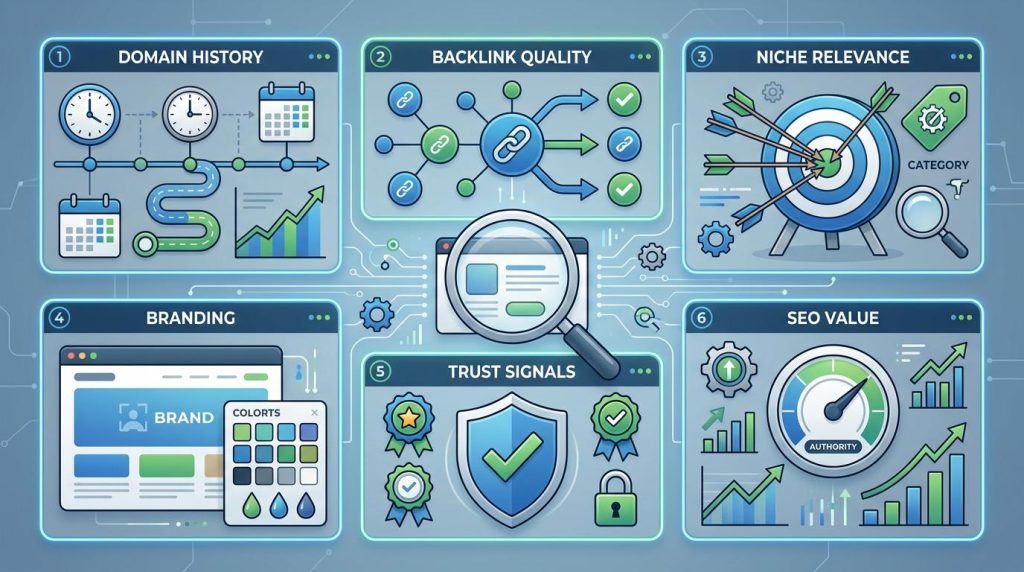
Checking the Domain’s History Carefully
Before purchasing an aged domain, one of the first steps is investigating its historical usage. A domain may look attractive on the surface while hiding years of problematic activity underneath. Researching its past can reveal whether it was associated with legitimate businesses or questionable SEO practices.
The Wayback Machine is one of the most commonly used tools for this process. It allows buyers to view archived versions of websites from previous years. By reviewing old snapshots, you can determine whether the domain hosted meaningful content or was used for spam, gambling, fake product promotions, or automatically generated pages.
Ownership history also matters. A domain that changed hands repeatedly over a short period may indicate instability or manipulation. Domains that maintained consistent branding and legitimate content for years generally inspire more confidence than domains that constantly shifted topics or industries.
It is also wise to check whether the domain was ever deindexed by Google. If a website completely disappeared from search results in the past, it may have received penalties for violating search engine guidelines. Recovering from severe penalties can be difficult, even under new ownership.
Evaluating the Backlink Profile
Backlinks are often the biggest reason people seek aged domains, but not all backlinks are equally valuable. A domain with thousands of low-quality links may actually perform worse than a domain with a smaller number of highly trusted references.
The quality of linking websites is extremely important. Links from respected news websites, educational institutions, industry blogs, and reputable organizations tend to provide stronger authority signals. On the other hand, links from spam directories, low-quality forums, or unrelated websites may offer little benefit and could even create SEO risks.
Relevance is another critical factor. If the previous website operated in the same niche as your future project, the existing backlinks are more likely to remain useful. For example, a technology-focused domain transitioning into another tech-related website usually appears more natural than one suddenly switching to an unrelated industry like health or finance.
Anchor text distribution should also be reviewed carefully. Over-optimized anchor text filled with aggressive keywords can signal past manipulation attempts. Healthy backlink profiles usually contain a natural mix of branded, generic, and topic-related anchor texts rather than repetitive keyword-heavy phrases.
Finally, buyers should check whether the backlinks are still active. Some links disappear over time as websites update pages or remove old references. A domain that once had excellent SEO metrics may no longer provide the same value if many of its backlinks have vanished.
Matching the Domain to Your Goals
Choosing an aged domain becomes much easier when you clearly understand your project goals. A domain that works well for an affiliate website may not be suitable for a corporate brand or an ecommerce store. The website’s intended purpose should guide the entire selection process.
Brandability is one important consideration. A strong, aged domain should still sound professional, memorable, and easy to spell. Even if a domain has excellent SEO metrics, it may not be useful if the name feels confusing, outdated, or difficult for visitors to remember.
Niche alignment also matters greatly. Search engines tend to value continuity and relevance. If the domain previously hosted content related to your future topic, the transition will usually appear more natural. This can help preserve historical authority while making the domain more useful for long-term SEO strategies.
Businesses should also think about scalability. Some domains are highly specific and may limit future expansion opportunities. For example, a domain focused on a single narrow topic could become restrictive if the business later broadens its services or content categories.
Another practical consideration is geographic relevance. Certain aged domains may have backlinks and audiences tied strongly to specific countries or regions. If your target market differs significantly from the domain’s historical audience, its SEO advantages may not translate effectively.
Avoiding Common Mistakes When Buying Aged Domains
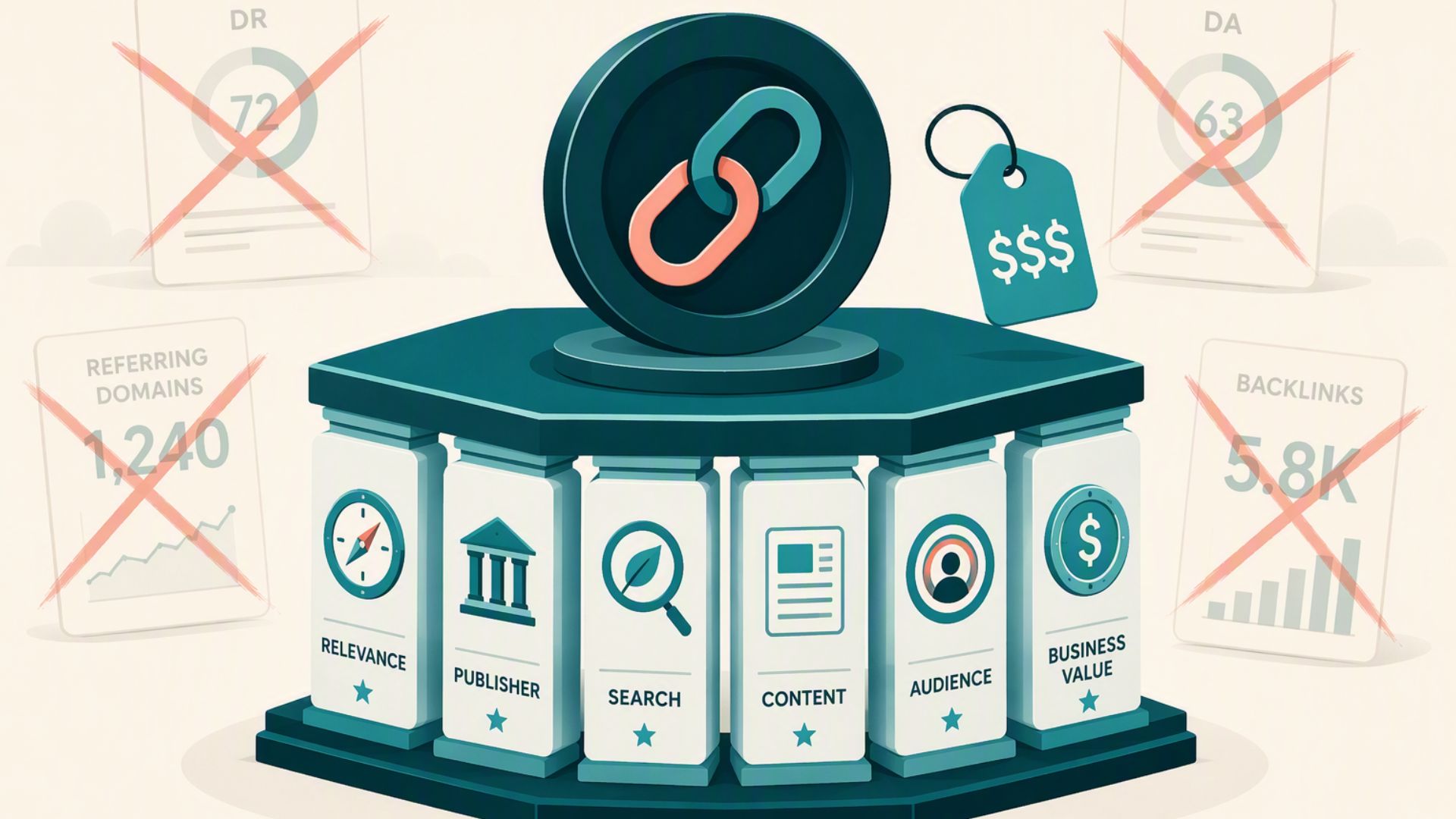
One of the biggest mistakes buyers make is focusing entirely on SEO metrics without understanding the bigger picture. Metrics such as domain authority scores can be useful indicators, but they should never replace manual research and critical evaluation.
Another common issue is ignoring spam signals. Some domains achieve high SEO metrics through artificial link-building tactics that eventually trigger penalties. A domain overloaded with suspicious backlinks may become more of a liability than an asset, regardless of its apparent authority.
Buyers also sometimes underestimate the importance of trademarks. Purchasing a domain too similar to a well-known brand can create serious legal complications. Even if the domain is available for sale, trademark conflicts may arise later and force the new owner to surrender the domain.
Patience is equally important during the buying process. High-quality aged domains are valuable digital assets, and rushed decisions often lead to disappointment. Taking extra time to analyze the domain’s history, backlink profile, and niche relevance can prevent costly errors and improve long-term results.
Building Long-Term Success With the Right Domain
Choosing an aged domain is ultimately about striking a balance among SEO potential, brand quality, and historical trust. A strong domain can provide an excellent starting point, but it cannot replace the importance of valuable content, good user experience, and ethical optimization practices.
The best-aged domains are those with clean histories, relevant backlinks, and clear alignment with the website’s future direction. When chosen carefully, they can shorten the path toward online visibility and help businesses establish credibility more quickly. Instead of treating aged domains as shortcuts, successful website owners view them as strategic foundations that support sustainable long-term growth.