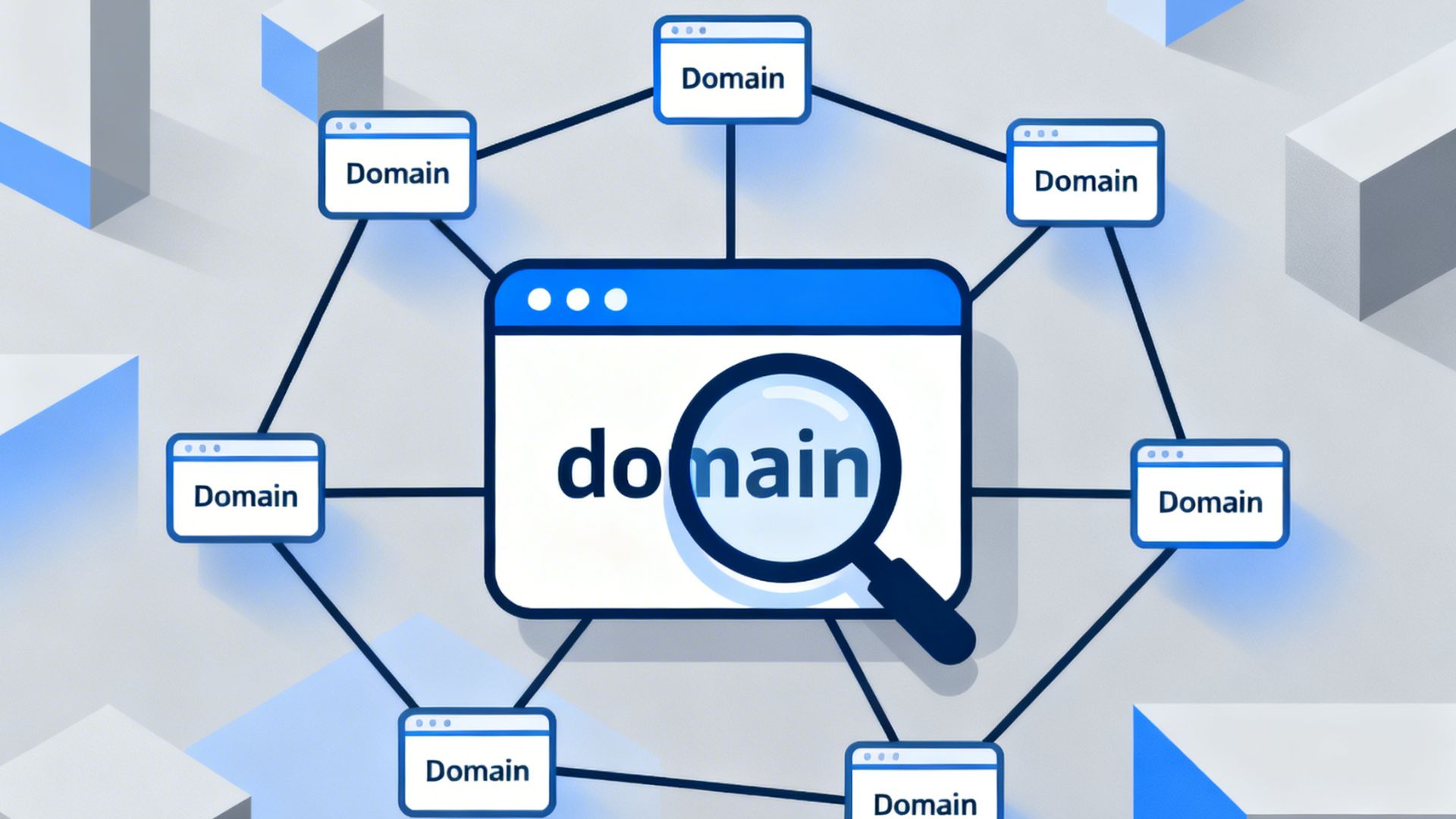

A Private Blog Network (PBN) is a group of websites, typically built on expired domains with existing authority, that are controlled by a single entity and used primarily to place links to a target site as part of a link-building strategy. These networks are designed to provide greater control over link placement and authority signals than traditional outreach-based methods.
This article explains what a PBN is within the broader context of link-building strategies and how it fits into modern SEO discussions.
What Is a Private Blog Network (PBN)?
A Private Blog Network (PBN) refers to a group of websites that are typically created and controlled by a single entity and used primarily to place links pointing to a target website in an effort to influence search engine rankings. In practice, these sites are often minimal in design and content, serving a specific function within a broader link-building strategy rather than operating as independent brands. Many PBNs are built using expired or auctioned domains with existing authority, which is why discussions about how to buy PBN domains frequently arise in advanced SEO circles.
Within the industry, PBNs are often described using broader terms such as controlled link assets or private link networks. The defining characteristic is not the domains themselves, but the centralized control over link placement, anchor text, and timing. This level of control is difficult to replicate through traditional outreach-based link building, which helps explain why PBNs continue to be a topic of discussion, particularly when weighing risk, scalability, and long-term sustainability in SEO strategy.
Why Private Link Networks Exist
Search engines use links as indicators of authority, relevance, and trust. As competition increased and organic link acquisition became more resource-intensive, SEO professionals began exploring ways to gain more predictable influence over link signals. Private networks emerged as a response to this challenge, offering control over link velocity, placement context, and anchor text.
While public discourse often frames these networks as low-effort or purely manipulative, the reality is more nuanced. Like any link-building tactic, outcomes depend heavily on execution, footprint management, and integration with broader SEO fundamentals such as content quality and technical performance. This is why opinions on their effectiveness and risk vary widely across the industry.
How Private Blog Networks Are Typically Used
In a simplified sense, a private network functions by leveraging the existing authority of expired domains. After acquisition, these domains are rebuilt with basic websites and selectively linked to target pages. The intention is to pass authority in a controlled manner rather than relying solely on external editorial links.
It is important to note that experienced practitioners rarely use these networks in isolation. They are more commonly layered alongside other link-building methods, such as digital PR, partnerships, and content-driven outreach. In this context, private networks are viewed as one tool among many rather than a standalone strategy.

Search Engine Guidelines and Industry Debate
Search engines, including Google, have publicly stated that artificial link schemes intended to manipulate rankings violate their guidelines. As a result, private networks are often categorized as a high-risk tactic in official documentation and public SEO commentary. This has led to a large volume of online content warning against their use, often without distinguishing between poor execution and disciplined implementation.
At the same time, many practitioners observe that controlled link assets can still influence rankings when handled carefully and supported by strong on-site SEO. This disconnect between official policy and observed outcomes is a major reason the topic remains sensitive. The effectiveness of these networks is not binary; results depend on factors such as footprint management, relevance, link velocity, and how well the rest of the site aligns with search intent and quality standards.
Risk Considerations and Long-Term Perspective
Any link-building tactic that relies on control rather than editorial choice carries inherent risk. Poorly managed networks with obvious patterns, thin content, or shared infrastructure are more likely to be devalued or ignored. In some cases, links may simply stop passing value rather than triggering direct penalties, which is an important distinction often overlooked in public discussions.
From a long-term perspective, reliance on a single link-building method, whether private networks or otherwise, introduces fragility. Sustainable SEO performance typically comes from combining multiple authority signals: strong content relevance, technical stability, brand mentions, and a diverse set of link sources. Private link assets, when used, are most effective as a supplemental mechanism rather than a foundation.
Ethical Framing and Client Transparency
Because private networks are a sensitive subject, many agencies avoid discussing them explicitly with clients and instead focus on outcomes, risk management, and broader authority development. Framing link building around authority growth rather than specific tactics helps maintain transparency while keeping strategies flexible.
Ultimately, the responsibility lies in aligning tactics with business goals, risk tolerance, and long-term brand value. Not every website or industry benefits equally from aggressive link strategies, and informed decision-making is more important than rigid adherence to any single philosophy.
Conclusion
Private Blog Networks are best understood as one category within a wider spectrum of link-building tactics rather than as a standalone or universally applicable solution. While they are often portrayed as purely black-hat or ineffective, real-world outcomes show that controlled link assets can influence rankings when executed carefully and supported by strong SEO fundamentals.
At the same time, their use requires a clear understanding of risk, footprint management, and long-term strategy. Evaluating link-building approaches objectively, rather than through absolutes, allows businesses to make informed decisions that balance performance, sustainability, and brand credibility.