DomainRaider | Premium Domains with High SEO Value

DomainRaider | Premium Domains with High SEO Value

How PBNs Affect SEO: Why They Work When Done Correctly (2026 Guide)
Discover why PBNs remain effective in SEO, delivering fast rankings, controlled link equity, and measurable traffic growth when combined with smart risk management and diversified link strategies.

Hide PBN Footprints 2026: Complete Google Evasion Checklist
Reducing PBN footprints requires diversifying hosting, design, content, and link patterns. Strategic variation and continuous monitoring help minimize detection and improve long-term network stability.
Using Expired Domains in PBNs: Complete Guide to SEO Power 2026
Learn how sustainable PBN strategies in 2026 focus on long-term authority, controlled link velocity, and high-quality content to build durable SEO equity while reducing footprint risks and maintaining stable rankings over time.

Sustainable PBN Strategies in 2026: Build Links That Last
Learn how sustainable PBN strategies in 2026 focus on long-term authority, controlled link velocity, and high-quality content to build durable SEO equity while reducing footprint risks and maintaining stable rankings over time.
Using Expired Domains in PBNs: Complete Guide to SEO Power 2026
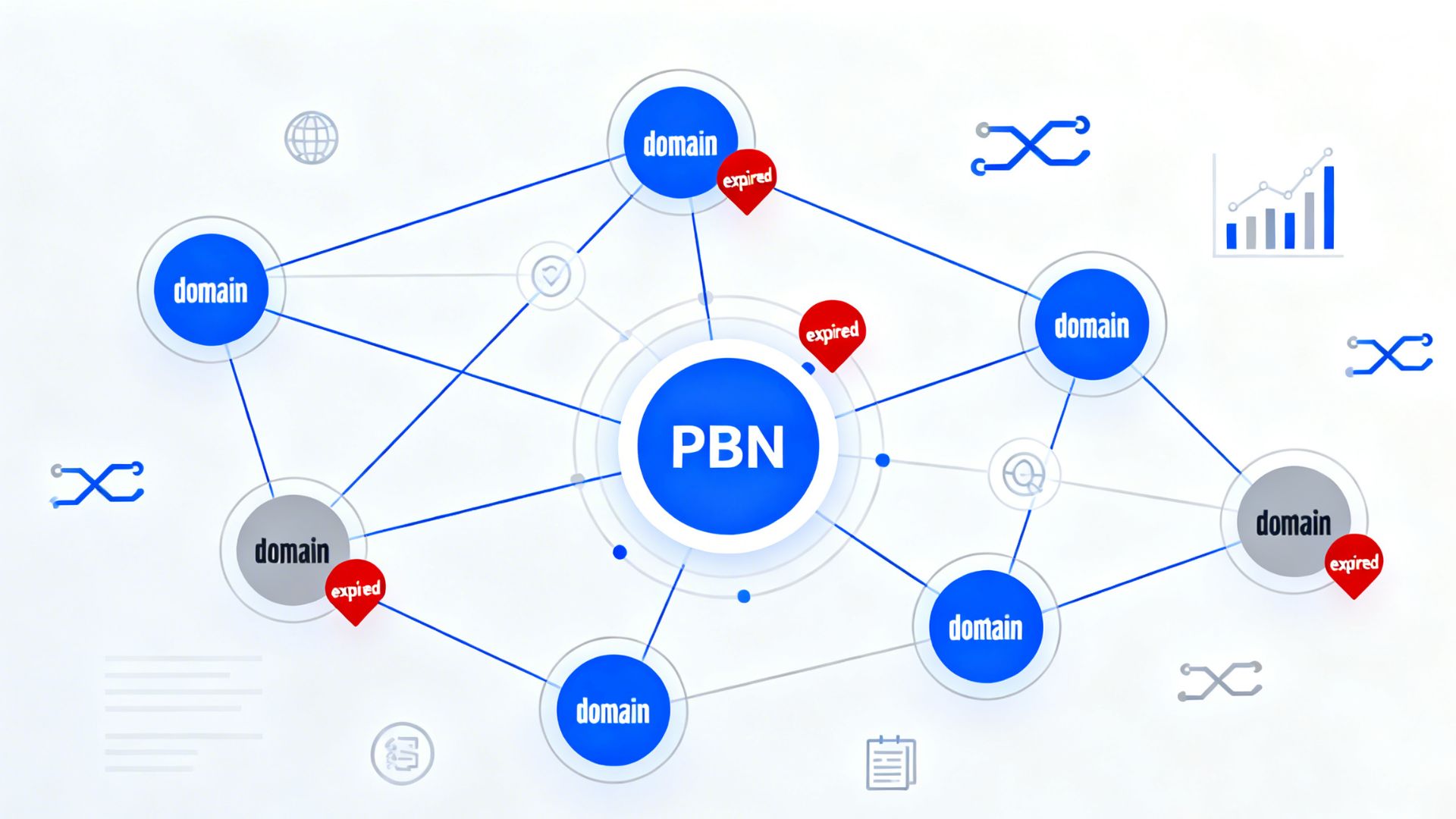
Expired domains can boost PBN performance by leveraging existing backlinks, authority, and age signals. Proper vetting, integration, and maintenance are essential to avoid penalties and maximize long-term SEO value.
Best Expired Domain Finder Tools in 2026
Expired domain finder tools help SEO professionals discover valuable domains with backlinks, traffic, and authority. This guide reviews eight top platforms in 2026 and explains how these tools track, filter, and evaluate expiring domains.

PBN Hosting Pros & Cons: Best Setup for Private Blog Networks
PBN hosting distributes private network sites across different IP ranges, servers, and providers to reduce detectable footprints. This infrastructure separation helps minimize ownership patterns while supporting scalability and control in network-based link-building strategies.

What Are PBN Links?: Private Blog Network Backlinks Explained
PBN links are backlinks placed on privately owned networks of websites built on expired domains. They allow full control over anchor text and link placement, potentially accelerating rankings, but they violate search engine guidelines and carry detection risks.

How to Build a PBN Safely?
A Private Blog Network (PBN) is a group of sites built on expired domains to pass link equity to a main website. By controlling anchor text and link placement, PBNs can accelerate rankings, but they carry risk under search engine guidelines and require careful management.
How to Find Domains for PBNs
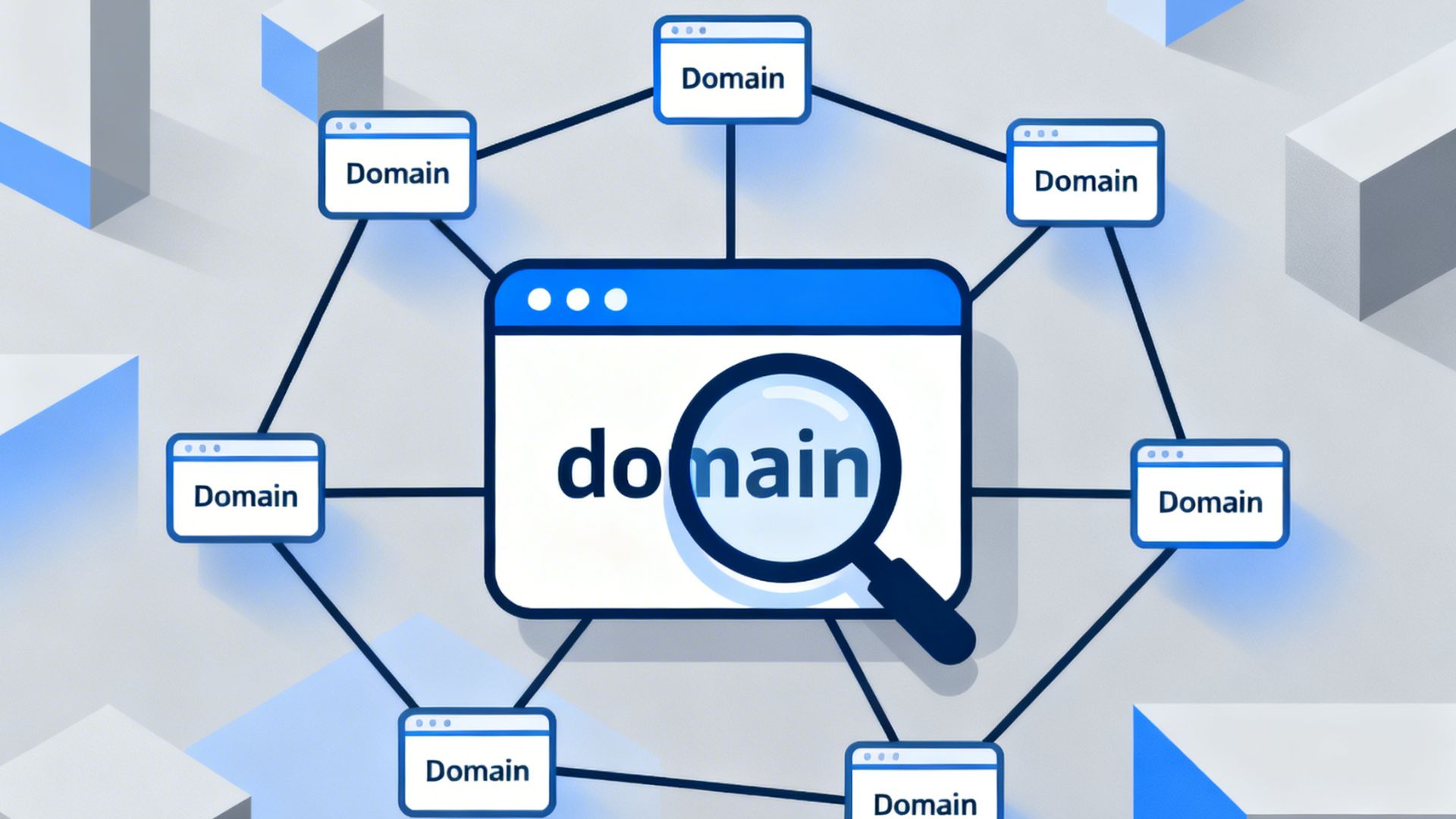
Finding quality expired domains requires careful research, backlink analysis, and history checks. When vetted properly, domains with clean link profiles and relevant histories can support SEO strategies by providing existing authority signals and trusted backlinks.
What Is a Private Blog Network?
A Private Blog Network (PBN) is a group of websites controlled by a single entity and used to place links to a target site. Often built on expired domains, PBNs aim to influence search rankings by controlling link placement, anchor text, and authority signals.

Domain Squatting Explained: How Cybersquatting Threatens Brands in 2026
Domain squatting, or cybersquatting, targets brands by registering similar domains for profit, fraud, or malware. This guide covers what it is, key types, real cases, legal remedies, risks, and proven strategies to prevent brand and revenue loss.

Can You Buy a Domain Name Forever
Domain names are leased, not permanently owned. This guide explains registration terms, renewal strategies, security measures, and best practices to keep your domain long-term and protect your brand.

Understanding Domain Name Disputes: Causes, Types, and Resolution
Domain name disputes arise when domains conflict with trademarks or brand rights. This guide explains common dispute types, why they occur, and how UDRP, URS, and courts resolve domain ownership conflicts.

Preventing Domain Hijacking: How to Protect Your Domains
Domains underpin nearly every online activity, including websites, email, payments, and brand identity. Because they serve as a single point of control, domains are attractive
6 Reasons Why Some Domains Are So Expensive
Some domains cost more due to scarcity, strong keywords, premium extensions, brandability, and existing SEO value. Learn what drives domain pricing in today’s digital market.

How to Spam Check Expired Domains (2026 Checklist)
Domain expiration protection safeguards ownership when renewals fail, preventing loss of branding, traffic, and email services. It ensures continuity and reduces risks from administrative or payment errors.

What Is Domain Expiration Protection and Why Does It Matter
Domain expiration protection safeguards ownership when renewals fail, preventing loss of branding, traffic, and email services. It ensures continuity and reduces risks from administrative or payment errors.
Domain Auctions Explained: How They Work and Why They Exist
Domain auctions let buyers acquire premium, previously registered names through bidding or fixed-price sales, offering branding, SEO, and credibility advantages over new registrations.

Referring Domains vs Backlinks for SEO: What Matters More?
Referring domains measure unique sites linking to you, while backlinks count total links. Search engines value link diversity more, making referring domains a stronger SEO signal for trust and authority.

What Is an Expired Domain? SEO Guide, Lifecycle, Benefits, and Risks
Expired domains offer SEO value through backlinks, age, and historical trust, providing a faster start than new domains—but require careful evaluation to avoid risks.

How Domain History Affects SEO Rankings
Domain history shapes SEO by influencing trust, backlink quality, and indexing speed. Clean, consistent histories support growth, while negative past use can slow rankings or trigger filters.
Expired Domains vs Aged Domains: What Is the Difference?
Aged and expired domains differ in ownership history, risk, and SEO trust. Knowing how each impacts authority, backlinks, and stability helps marketers choose the right domain and avoid penalties or wasted investment.

What Happens After the Domain Redemption Period?
After the redemption period, a domain enters pending delete and eventual final deletion. Understanding this lifecycle helps owners protect websites, email, and SEO before permanent loss.

Is It Legal to Buy Expired Domains?
Buying expired domains is generally legal once fully deleted, but trademark conflicts and prior use can create risks. This guide explains safe practices, legal considerations, and due diligence for investors.
How to Find High-Authority Expired Domains for SEO
High-authority expired domains retain backlinks, trust, and niche relevance, offering a powerful way to boost SEO. This guide explains how to evaluate, select, and safely leverage expired domains.

What Happens When a Domain Expires?: Complete Timeline & Risks
A domain name can stop working immediately after expiration, causing website outages, email failure, and service disruptions. Understanding the 0–75+ day expiration timeline helps owners recover or prevent domain loss before it becomes costly.

Expired Domain Flipping: A Complete, Objective Guide for 2025
Expired domain flipping involves buying lapsed domains and reselling them for profit. Many expired domains retain SEO value, backlinks, and branding potential. This guide explains how the strategy works, how to evaluate domains, and how beginners can reduce risks.

How to Check Your Domain Expiry Date: A Complete Guide
A domain’s expiry date determines how long a website and email services remain active. Missing renewal deadlines can lead to downtime, lost rankings, and brand risks. This article explains how to check expiry dates and avoid costly disruptions.